
About Jaipur
Step into a world where history whispers from every sandstone wall and vibrant culture dances in the streets. Jaipur, India's enchanting Pink City, beckons with its majestic forts, opulent palaces, and bustling bazaars. Discover the timeless allure of this royal Rajasthani gem.
Reading this article: 0s
News in 60 words
~150-word AI digest in one read
Thesis, bullets, quote & takeaway — slogan stays "60 words"
1mo ·10 min read· 4 · 0 · 0
Full story
Welcome to the Pink City: An Introduction to Jaipur
Jaipur, the capital city of Rajasthan, India, is a spectacle of architectural grandeur and cultural richness. Fondly known as the 'Pink City' due to the distinctive pink hue of its buildings, Jaipur stands as a testament to the royal heritage of the Rajput kings. Founded in 1727 by Maharaja Sawai Jai Singh II, the city was one of the first planned cities of its time, designed with meticulous precision according to ancient Hindu architectural principles (Vastu Shastra). Its broad avenues, uniform facades, and strategic layout were revolutionary for the 18th century, making it a marvel of urban planning.
More than just a historical relic, Jaipur is a living, breathing city where ancient traditions seamlessly blend with modern life. From the moment you step foot here, you're enveloped in a kaleidoscope of colors, sounds, and aromas. The city's charm lies in its ability to transport you back in time while offering all the conveniences of a contemporary hub. This article will guide you through the heart of Jaipur, exploring its majestic past, vibrant present, and everything that makes it an unforgettable destination for travelers and history enthusiasts alike.
A Canvas of History: The Majestic Forts and Palaces
Jaipur's skyline is dominated by magnificent forts and palaces, each telling a story of valor, romance, and artistic brilliance. These architectural wonders are not just buildings; they are chronicles etched in stone, inviting visitors to delve into a bygone era of kings and queens.
Amber Fort (Amer Fort)
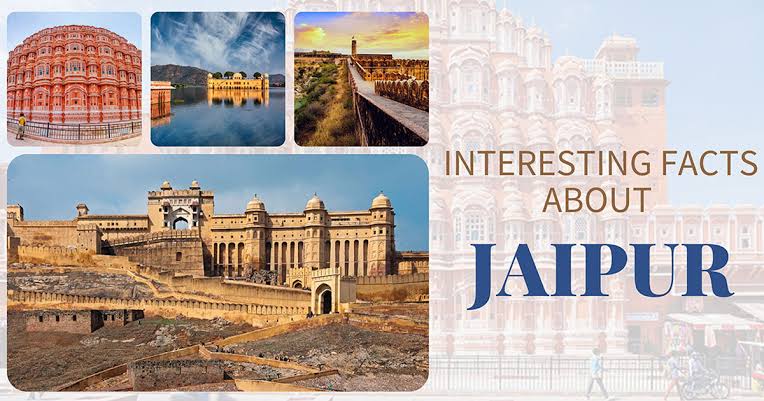
Perched majestically on a hilltop overlooking Maota Lake, Amber Fort is perhaps the most iconic symbol of Jaipur. A UNESCO World Heritage Site, this sprawling complex of palaces, halls, gardens, and temples was built by Raja Man Singh I in the 16th century. Its red sandstone and marble construction is a striking example of Hindu-Muslim architecture. As you ascend to the fort, often on the back of an elephant, you're greeted by intricate carvings, mirror work (Sheesh Mahal), and breathtaking views of the surrounding Aravalli hills. The fort's defensive walls, grand courtyards, and opulent living quarters offer a glimpse into the lavish lifestyle of the Rajput rulers.
Hawa Mahal (Palace of Winds)
An architectural marvel and a true icon of Jaipur, the Hawa Mahal is instantly recognizable by its unique five-story façade with 953 small windows (jharokhas). Built in 1799 by Maharaja Sawai Pratap Singh, its primary purpose was to allow the royal ladies, who observed strict purdah, to observe street festivities and daily life without being seen from the outside. The intricate lattice work not only provided privacy but also created a natural air-conditioning system, earning it the moniker 'Palace of Winds.' While you can't enter all the tiny windows, the view from the top offers a fascinating perspective on the bustling streets below.
City Palace
Located in the heart of the Old City, the City Palace is a sprawling complex that continues to be the residence of the Jaipur royal family. It's a fascinating blend of Rajput, Mughal, and European architectural styles. The palace houses several courtyards, gardens, and buildings, including the Mubarak Mahal (Welcome Palace), which now serves as a museum displaying royal costumes and textiles, and the Chandra Mahal, which is still the royal residence. The Diwan-i-Aam (Hall of Public Audience) and Diwan-i-Khas (Hall of Private Audience) showcase exquisite artistry, while the Pitam Niwas Chowk, with its four ornate gates representing the four seasons, is a photographer's dream.
Nahargarh Fort and Jaigarh Fort
Beyond the main city, Nahargarh Fort, also known as Tiger Fort, offers panoramic views of Jaipur, especially stunning at sunset. Built primarily for defense, it also served as a hunting retreat for the Maharajas. Nearby, Jaigarh Fort, known as the 'Fort of Victory,' houses the world's largest cannon on wheels, the Jaivana. These forts are interconnected and offer a deeper dive into the strategic military prowess of the Rajputs.
Beyond the Grandeur: Jaipur's Vibrant Culture and Traditions
Jaipur's appeal extends far beyond its monumental structures. The city pulsates with a vibrant cultural energy, evident in its art, crafts, music, dance, and daily life. It's a place where traditions are cherished and passed down through generations.
Art and Craftsmanship
Jaipur is a hub for exquisite traditional Indian crafts. The city is renowned worldwide for its gemstone cutting and jewelry making, particularly for precious and semi-precious stones. The Johari Bazaar is a dazzling display of this artistry. Block printing, especially the Sanganeri and Bagru styles, is another hallmark, producing intricate patterns on textiles. Visitors can even witness the process in workshops on the city's outskirts. Other notable crafts include blue pottery, a unique art form with Persian origins, miniature paintings, lac bangles, brassware, and leather goods, particularly the famous Mojari shoes.
Music and Dance
The cultural fabric of Jaipur is woven with the threads of traditional Rajasthani music and dance. Folk performances, often accompanied by instruments like the sarangi, dholak, and sitar, tell stories of heroes, lovers, and deities. The graceful Ghoomar dance, performed by women in swirling, colorful ghagras, is a mesmerizing spectacle, especially during festivals. These performances are not just for tourists; they are an integral part of local celebrations and daily life.
Festivals and Fairs
Jaipur comes alive during its numerous festivals. Teej and Gangaur are particularly significant, celebrating marital bliss and the arrival of monsoon and spring, respectively, with elaborate processions and rituals. The Jaipur Literature Festival (JLF), held annually, has gained international acclaim, attracting writers, thinkers, and literary enthusiasts from around the globe. The Elephant Festival, though less frequent now, used to be a magnificent display of decorated elephants, polo matches, and folk performances.
A Culinary Journey: Tastes of Rajasthan
No visit to Jaipur is complete without indulging in its rich and flavorful culinary traditions. Rajasthani cuisine is known for its hearty, spicy, and often vegetarian dishes, designed to sustain travelers through the desert climate.
Signature Dishes
Dal Baati Churma is perhaps the most iconic Rajasthani dish – a wholesome meal consisting of baked wheat balls (baati) dipped in clarified butter, served with a spicy lentil curry (dal) and a sweet crumbled wheat dessert (churma). It's a symphony of textures and flavors that embodies the essence of local cooking.
For non-vegetarians, Laal Maas is a must-try. This fiery red meat curry, traditionally made with lamb, is slow-cooked in a rich gravy of yogurt, garlic, and a generous amount of Mathania red chilies, giving it its distinctive color and intense flavor.
Street Food and Sweets
The streets of Jaipur are a paradise for foodies. Start your day with a piping hot Pyaz Kachori (fried pastry filled with spiced onions) or Mirchi Bada (chili fritters), perfect with a cup of masala chai. For those with a sweet tooth, Ghewar, a disc-shaped sweet cake soaked in sugar syrup, is a seasonal delicacy, especially during Teej. Other popular sweets include Mawa Kachori, Feeni, and the refreshing Lassi.
Seek out local eateries like Rawat Mishtan Bhandar for kachoris, or Lassiwala on MI Road for an authentic clay pot lassi experience. Dining in Jaipur is not just about eating; it's about experiencing the warmth and hospitality of its people.
Shopping Spree: Treasures of the Bazaars
Jaipur is a shopper's paradise, famous for its vibrant and bustling bazaars that offer everything from precious jewels to intricate textiles. Each market specializes in different goods, making exploration an adventure in itself.
Johari Bazaar
As its name suggests ('Johari' means jeweler), this market is the heart of Jaipur's renowned jewelry industry. Here, you'll find an dazzling array of gold, silver, and Kundan (gemstone-set jewelry) pieces. Jaipur is particularly famous for its uncut diamonds, emeralds, and other precious stones. Even if you're not buying, it's a fascinating place to witness the craftsmanship.
Bapu Bazaar
Known for its leather products, particularly the famous Rajasthani Mojari (traditional leather footwear), Bapu Bazaar is also a great place for textiles, block-printed fabrics, and readymade garments. The vibrant colors and diverse patterns reflect the rich artistic heritage of Rajasthan.
Tripolia Bazaar
This market is famous for its lac bangles, a traditional craft where bangles are made from lac (a resinous substance) and embellished with intricate designs and stones. You'll also find brassware, ironware, and other traditional handicrafts here. It's a great place to pick up unique souvenirs and gifts.
Tips for Shopping: Bargaining is a common practice in these markets, so don't hesitate to negotiate prices. Always check for authenticity, especially when buying gemstones or expensive textiles. Many shops also offer shipping services for larger purchases.
Modern Jaipur: Blending Heritage with Contemporary Life
While Jaipur proudly preserves its historical and cultural legacy, it is far from being stuck in the past. The city has gracefully embraced modernity, evolving into a bustling metropolitan center that seamlessly blends its ancient roots with contemporary advancements.
Newer areas of Jaipur, such as Malviya Nagar and C-Scheme, boast upscale boutiques, international brand showrooms, modern cafes, and fine-dining restaurants. The city's infrastructure has seen significant development with improved roads, a metro system, and a growing number of educational institutions and IT parks. This growth has positioned Jaipur not just as a tourist destination but also as a burgeoning hub for business, education, and healthcare.
The blend is evident everywhere: a traditional artisan's workshop might sit next to a chic coffee shop, or ancient havelis (mansions) are repurposed into boutique hotels that offer modern amenities while retaining their old-world charm. This dynamic juxtaposition creates a unique urban experience, where the echoes of history resonate alongside the pulse of contemporary life, making Jaipur a city that caters to all tastes and preferences.
Planning Your Visit: Practical Tips for Travelers
To make the most of your Jaipur adventure, a little planning goes a long way. Here are some practical tips to enhance your experience:
- Best Time to Visit: The ideal time to visit Jaipur is during the winter months, from October to March. The weather is pleasant and cool, perfect for sightseeing and outdoor activities. Summers (April to June) can be extremely hot, and monsoons (July to September) bring humidity and occasional heavy rains.
- Getting Around: Jaipur has a well-developed local transportation system. Auto-rickshaws are ubiquitous and a convenient way to navigate the city; always agree on the fare beforehand or ask the driver to use the meter. Cab services like Uber and Ola are also readily available. For exploring the old city, cycle rickshaws offer a charming, albeit slower, option. The Jaipur Metro provides connectivity to key areas.
- Accommodation: Jaipur offers a wide range of accommodation, from luxurious heritage hotels (often former palaces) to comfortable mid-range hotels and budget-friendly guesthouses. Booking in advance, especially during peak season, is advisable.
- Local Etiquette: Dress modestly, especially when visiting religious sites. Remove your shoes before entering temples or homes. Politeness and respect for local customs are always appreciated. Learning a few basic Hindi phrases like 'Namaste' (hello) and 'Dhanyawad' (thank you) can also be helpful.
- Safety: Jaipur is generally a safe city for tourists. However, like any popular destination, be mindful of your belongings, especially in crowded markets. It's always wise to be aware of your surroundings, particularly after dark.
The Enduring Allure of the Pink City
Jaipur is more than just a destination; it's an experience that captivates the senses and leaves an indelible mark on the soul. From the grandeur of its forts and palaces to the intricate beauty of its crafts, from the tantalizing flavors of its cuisine to the warmth of its people, the Pink City offers a journey through time and culture.
It's a city where every corner tells a story, every color holds a meaning, and every moment is infused with a sense of royal heritage. Whether you're a history buff, an art enthusiast, a foodie, or simply a curious traveler, Jaipur promises an unforgettable adventure. Its enduring allure lies in its ability to constantly surprise and delight, inviting you to return again and again to uncover its many layers. Come, lose yourself in the timeless charm of Jaipur, the majestic heart of Rajasthan.
Was this helpful?
Your feedback helps us improve content for everyone.
Liked this piece?
Tip Vidushi for the work
100% goes to the creator. Send a one-time tip in rupees and back the writing you love.
Discussion