
PM Modi's Vision: How India Aims for AI as a Global Common Good
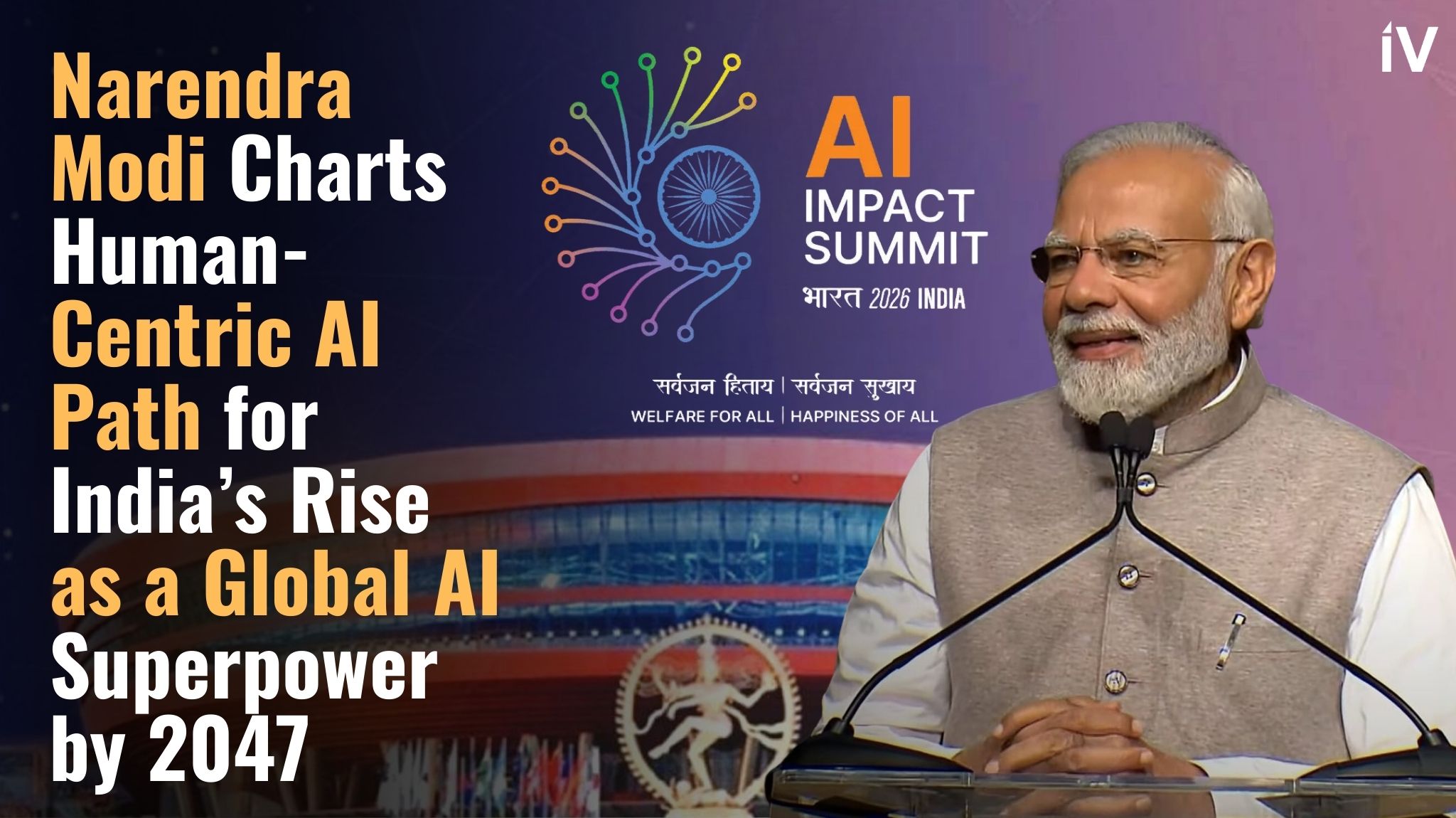
PM Modi's address at the India AI Impact Summit outlined a strategic vision for AI development, emphasizing its role in global welfare. India is positioning itself as a responsible leader, ensuring AI benefits all humanity, not just a select few.
Reading this article: 0s
News in 60 words
~150-word AI digest in one read
Thesis, bullets, quote & takeaway — slogan stays "60 words"
7d ·6 min read· 0 · 0 · 0
Full story
PM Modi's recent address at the India AI Impact Summit was more than just a speech; it was a blueprint for India's strategic positioning in the global artificial intelligence landscape. In a world grappling with the ethical and economic implications of rapidly advancing AI, India has articulated a vision that seeks to leverage this transformative technology not just for national growth, but as a 'global common good.' This perspective is particularly relevant for Indian readers, as it shapes our nation's technological future and its role on the international stage, influencing everything from job creation to public services.
The emphasis on AI for global welfare signals a deliberate shift from a purely commercial or nationalistic approach to one rooted in shared prosperity and ethical development. As India continues its digital transformation journey, understanding this overarching vision becomes crucial for innovators, policymakers, and citizens alike. It underscores a commitment to building AI systems that are inclusive, accessible, and beneficial to diverse communities worldwide.
The Philosophy of 'AI as a Global Common Good'
At its core, India's vision for AI as a global common good is an extension of its existing philosophy of 'Vasudhaiva Kutumbakam' – the world is one family. This means developing AI solutions that address universal challenges, such as healthcare, education, climate change, and disaster management, without exacerbating inequalities or creating new digital divides. The intent is to foster collaborative development and responsible deployment.
This approach draws parallels with India's successful digital public infrastructure like Aadhaar and UPI. These platforms, built on open-source principles and designed for scale and inclusivity, have democratised access to essential services and financial transactions for hundreds of millions. The aspiration is to replicate this model in AI, creating open, interoperable, and ethical AI frameworks that can be adopted and adapted globally, particularly by developing nations.
India's Strategic Pillars for AI Development
Achieving the vision of 'AI for global good' requires robust foundational pillars. India is systematically building these through a multi-pronged strategy focused on talent, infrastructure, data, and innovation.
Nurturing a Skilled AI Workforce
India's demographic dividend is its greatest asset. The government and industry are heavily investing in skilling and reskilling initiatives to create a large pool of AI-ready professionals. Programs are being launched in collaboration with IITs, NITs, and private institutions, focusing on machine learning, data science, and AI ethics. Cities like Bengaluru, Hyderabad, and Pune are emerging as AI talent hubs, attracting global companies and fostering a vibrant startup ecosystem.
Building Robust Digital Infrastructure
High-performance computing and secure data centres are the backbone of AI development. India is pushing for significant investments in this area, envisioning a network of interconnected digital infrastructure across major cities and even tier-2 towns. This includes enhancing broadband connectivity, developing cloud computing capabilities, and ensuring energy-efficient operations to support AI model training and deployment at scale.
Leveraging India's Data Diversity
India possesses a vast and diverse dataset, reflecting its unique socio-economic and linguistic landscape. This data, when collected and used ethically, can train AI models that are inherently more robust and less biased for diverse populations. Initiatives are underway to create anonymised public datasets and data-sharing frameworks that protect individual privacy while fostering innovation, particularly in sectors like healthcare through the Ayushman Bharat Digital Mission.
Fostering Research, Development, and Innovation
Government grants, research partnerships, and startup incubation centres are crucial for driving AI innovation. India is encouraging R&D in critical areas like natural language processing for Indian languages, computer vision for agricultural applications, and AI for public services. The goal is to develop indigenous AI solutions that cater specifically to Indian needs while having the potential for global applicability.
Ensuring Ethical and Inclusive AI Development
The 'common good' aspect inherently demands a strong focus on ethics, transparency, and inclusivity. India is committed to developing AI that is fair, unbiased, and accountable.
Mitigating Bias and Ensuring Fairness
Recognising the potential for AI models to perpetuate or amplify existing societal biases, India is emphasising responsible AI development. This includes developing frameworks for bias detection and mitigation, ensuring data diversity in training sets, and promoting transparent algorithms. The aim is to create AI systems that provide equitable outcomes for all citizens, irrespective of their background.
Regulatory Frameworks and Data Governance
Robust data protection laws and ethical guidelines are essential for building trust in AI. India is in the process of establishing comprehensive regulations that balance innovation with privacy and security. These frameworks will ensure that personal data is handled responsibly and that AI applications adhere to strict ethical standards, aligning with global best practices while addressing local nuances.
Accessibility and Vernacular AI
To truly serve as a common good, AI must be accessible to everyone, including those in rural areas or those who do not speak English. India is investing in research and development for vernacular AI, enabling interactions in multiple Indian languages. This includes voice interfaces, text-to-speech, and machine translation, ensuring that the benefits of AI reach every corner of the nation.
India's Role on the Global Stage
India's vision for AI extends beyond its borders. The nation aims to be a responsible and collaborative global partner in shaping the future of AI governance.
International Collaboration and Standard Setting
India is actively participating in global forums like the G20, advocating for a human-centric and ethical approach to AI. The country seeks to collaborate with international organisations and nations to develop common standards, share best practices, and address cross-border challenges related to AI, such as data flow and regulatory harmonisation.
Sharing Open-Source Models and Expertise
Consistent with its digital public goods philosophy, India is keen to contribute open-source AI models, tools, and expertise to the global community. This can empower developing nations to build their own AI capabilities and customise solutions to their unique contexts, fostering a truly inclusive global AI ecosystem.
Frequently Asked Questions (FAQs)
Q1: What does 'AI as a global common good' actually mean for India?
For India, it means developing AI solutions that solve pressing societal problems globally, such as improving healthcare access, enhancing agricultural productivity, and facilitating education, while ensuring these technologies are ethical, inclusive, and accessible to everyone. It's about sharing knowledge and infrastructure to empower other nations, rather than creating proprietary systems that only benefit a few.
Q2: How will India ensure ethical AI development?
India plans to ensure ethical AI through a combination of robust data protection laws, clear ethical guidelines for AI developers, and initiatives to mitigate bias in AI models. The focus is on transparency, accountability, and user-centric design, ensuring that AI systems are fair and do not discriminate, while respecting privacy and data security.
Q3: What are the key challenges India faces in achieving this vision?
Key challenges include bridging the digital divide to ensure equitable access to AI technologies, developing sufficient high-performance computing infrastructure, attracting and retaining top AI talent amidst global competition, and establishing comprehensive regulatory frameworks that foster innovation while safeguarding public interest. Overcoming these requires sustained investment and collaborative effort.
Conclusion
PM Modi's vision for AI as a global common good positions India as a thoughtful and responsible leader in the age of artificial intelligence. By focusing on ethical development, inclusive access, and international collaboration, India is not just building its own AI capabilities but also striving to create a future where AI serves humanity as a whole. This ambitious yet necessary path will undoubtedly shape India's technological trajectory and its standing in the new world order.
Support creators
Was this helpful?
Your feedback helps us improve content for everyone.
Liked this piece?
Tip Dhananjay for the work
100% goes to the creator. Send a one-time tip in rupees and back the writing you love.
Dhananjay Chauhan
0 followers · 0 blogs
Creator on ContentVerse. Building, writing, and shipping in public.
0 followers
Discussion