
cartoon videos
Cartoon videos are more than just animated entertainment; they are a vibrant tapestry woven into the fabric of our lives, captivating audiences of all ages. Explore their enduring magic, from nostalgic childhood memories to their powerful role in modern digital culture and storytelling.
Reading this article: 0s
News in 60 words
~150-word AI digest in one read
Thesis, bullets, quote & takeaway — slogan stays "60 words"
(3mo)10 min read 0 1 1
Full story
The Universal Language of Animation
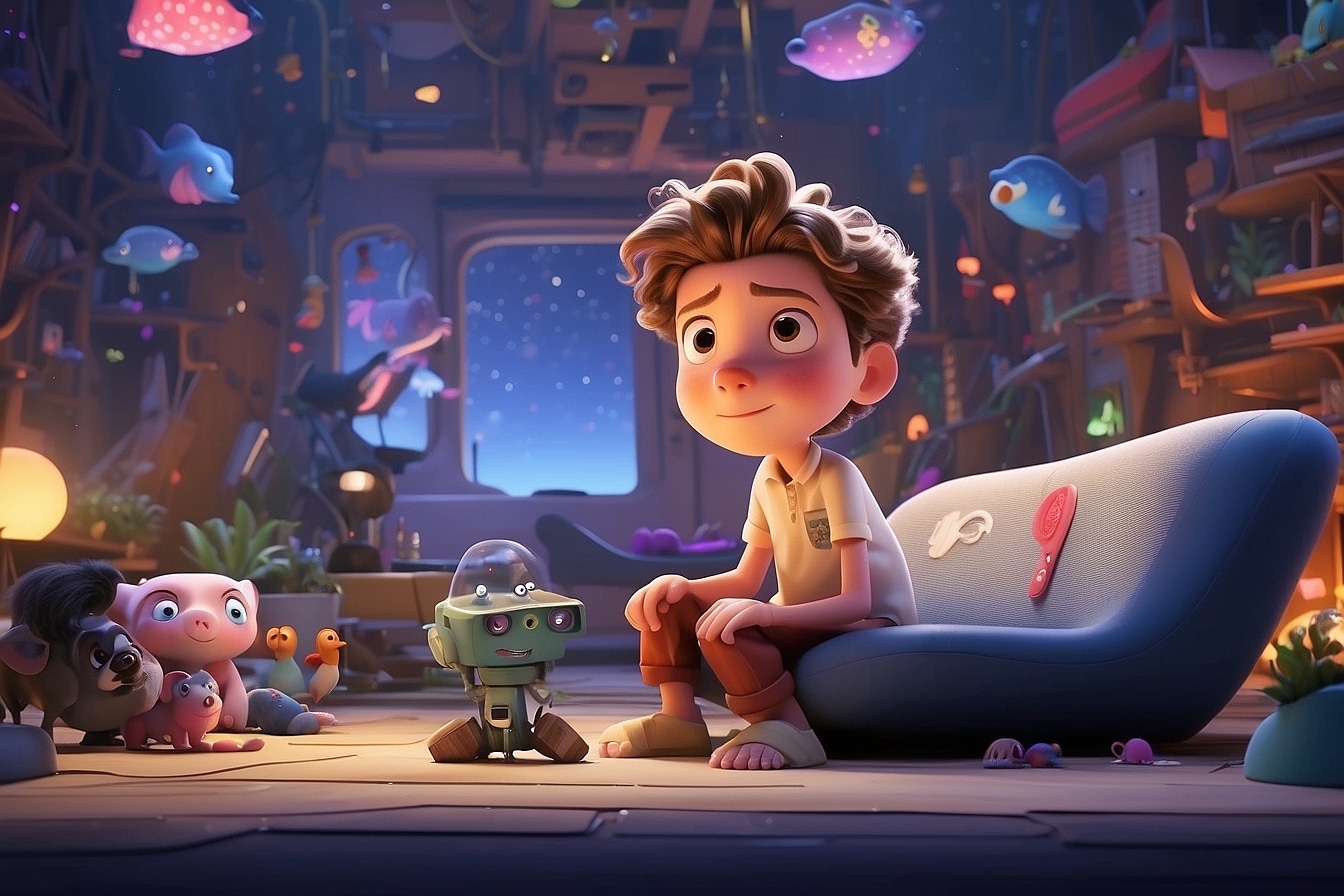
Cartoon videos hold a unique and cherished place in our collective consciousness, transcending age, language, and cultural barriers. From the earliest hand-drawn frames to the sophisticated CGI spectacles of today, animation has consistently offered a gateway to imagination, laughter, and profound storytelling. It's a medium that can simplify complex ideas for children, provide biting satire for adults, and transport anyone, anywhere, into worlds limited only by the creators' ingenuity. The appeal isn't just in the moving pictures; it's in the ability of cartoons to evoke powerful emotions, teach valuable lessons, and often, to simply make us smile. This enduring magic is why cartoon videos continue to be a cornerstone of global entertainment and a powerful tool for communication.
Think about the first cartoon that truly captivated you. Was it the slapstick antics of Tom and Jerry, the whimsical adventures of Bugs Bunny, the heartfelt narratives of Disney classics, or perhaps the edgy humor of a modern animated sitcom? Whatever the memory, it likely left an indelible mark, shaping your early understanding of storytelling, humor, and character. This foundational role in our development and entertainment is what makes the world of cartoon videos so rich and endlessly fascinating. It's a dynamic art form that constantly reinvents itself while holding onto the core principles of visual narrative and imaginative expression.
A Whimsical Walk Through Animation History
The journey of cartoon videos is a testament to human creativity and technological advancement. It began long before televisions became commonplace, with early pioneers experimenting with stop-motion and hand-drawn sequences. One of the earliest examples dates back to the late 19th century with Émile Cohl's "Fantasmagorie" (1908), often considered the first animated film. These early works laid the groundwork for what would become a global phenomenon.
The 1920s and 30s ushered in the Golden Age of American animation, spearheaded by Walt Disney's groundbreaking "Steamboat Willie" (1928), introducing Mickey Mouse to the world. Studios like Warner Bros. with Looney Tunes, Fleischer Studios with Popeye, and MGM with Tom and Jerry, rapidly developed distinct styles and iconic characters. These cartoons were often shown before feature films in cinemas, providing much-needed comic relief during the Great Depression and World War II. They were characterized by their innovative use of sound, vibrant personalities, and often, a touch of irreverent humor. Japanese animation also began to emerge during this period, though its global impact would come much later.
The mid-20th century saw the rise of television, transforming cartoons from cinema shorts into daily household staples. Hanna-Barbera Productions became a powerhouse, creating beloved series like "The Flintstones," "The Jetsons," and "Scooby-Doo," which brought animation directly into living rooms and cemented its place in popular culture. This era also saw the diversification of animation styles and narratives, moving beyond simple gags to explore more complex character dynamics and serialized storytelling, paving the way for the rich landscape we enjoy today.
Beyond Laughter: Education and Development
While often perceived as pure entertainment, cartoon videos play a significant, often underestimated, role in education and cognitive development, especially for children. Many animated series are specifically designed with pedagogical goals in mind, aiming to teach fundamental concepts, foster social-emotional skills, and spark curiosity.
Educational cartoons, such as "Sesame Street" (which incorporates animated segments), "Dora the Explorer," "Blue's Clues," and "Paw Patrol," introduce young viewers to a wide array of subjects:
- Literacy and Numeracy: Characters often count, identify letters, and solve simple math problems, making learning interactive and fun.
- Problem-Solving Skills: Many narratives revolve around characters facing challenges and working together to find solutions, encouraging critical thinking.
- Social-Emotional Learning: Cartoons frequently explore themes of friendship, empathy, sharing, conflict resolution, and understanding emotions, helping children navigate their own social worlds.
- Cultural Awareness: Shows like "Dora the Explorer" introduce different languages and cultural elements, fostering early appreciation for diversity.
- Creativity and Imagination: By presenting fantastical worlds and imaginative scenarios, cartoons stimulate children's own creative thinking and storytelling abilities.
Even non-explicitly educational cartoons contribute to development by exposing children to narrative structures, character archetypes, and cause-and-effect relationships. The visual and auditory nature of animation makes it an incredibly effective medium for engaging young minds and reinforcing learning in an accessible, enjoyable way. For adults, documentaries and explainer videos leveraging animation can simplify complex scientific, historical, or technological concepts, making information more digestible and memorable.
The Art and Craft: Evolving Techniques and Styles
The creation of cartoon videos is a painstaking art form that has evolved dramatically over the decades, driven by both artistic vision and technological innovation. From the meticulous hand-drawn cel animation of the past to the sophisticated digital rendering of the present, each technique brings its own aesthetic and challenges.
- Traditional (Cel) Animation: This classic method involves drawing and painting individual frames on transparent celluloid sheets (cels), which are then layered over painted backgrounds and photographed. Pioneers like Walt Disney perfected this technique, creating iconic films such as "Snow White and the Seven Dwarfs." It's known for its fluid, organic movement and distinct artistic touch, though it's incredibly labor-intensive.
-
Stop-Motion Animation: This technique brings inanimate objects to life by physically manipulating them in small increments between individually photographed frames. Famous examples include "Wallace and Gromit," "Corpse Bride," and "Fantastic Mr. Fox." Stop-motion offers a unique tactile quality and often a charmingly handcrafted feel that digital animation struggles to replicate.
-
Cut-Out Animation: Utilizes flat characters, props, and backgrounds cut from paper or other materials. These pieces are moved incrementally and photographed. "South Park" famously started with this technique before transitioning to digital equivalents, showcasing its distinct, often jerky, movement style.
-
Computer-Generated Imagery (CGI)/3D Animation: The dominant form today, 3D animation creates models and environments within a computer, then animates them digitally. Pixar revolutionized this with "Toy Story" (1995), demonstrating the medium's potential for rich textures, complex lighting, and dynamic camera movements. CGI offers unparalleled flexibility and realism, allowing for intricate character designs and sprawling worlds.
-
Flash/Vector-Based Animation: Popularized by the internet, this technique uses vector graphics, allowing for scalable animations with smaller file sizes. It's often used for web series, explainer videos, and some television shows due to its efficiency and distinct, often simpler, visual style. Shows like "Homestar Runner" and early YouTube animations leveraged this extensively.
Each technique requires a unique skill set, from traditional drawing and painting to 3D modeling, rigging, texturing, and rendering. The continuous advancement in software and hardware has democratized animation, making it accessible to independent creators and small studios, leading to an explosion of diverse animated content across various platforms.
Modern Cartoons: Streaming, Adult Animation, and Niche Content
The landscape of cartoon videos has undergone a profound transformation with the advent of streaming services and the internet. No longer confined to Saturday morning slots or prime-time network television, animated content is now available on demand, catering to an increasingly diverse global audience.
Streaming giants like Netflix, Disney+, Hulu, and Amazon Prime Video have invested heavily in original animated programming, leading to a renaissance in the industry. This has allowed for greater creative freedom, often resulting in more experimental storytelling, unique art styles, and narratives that might not have found a home on traditional broadcast television. The global reach of these platforms also means that animation from different countries, such as anime from Japan, is more accessible than ever, fostering cross-cultural appreciation.
One of the most significant trends is the continued rise of adult animation. While shows like "The Simpsons" and "South Park" paved the way, the past two decades have seen an explosion of mature-themed animated series that tackle complex social issues, philosophical questions, and dark humor. "BoJack Horseman," "Rick and Morty," "Big Mouth," "Arcane," and "Invincible" are prime examples, demonstrating animation's capacity for sophisticated, character-driven drama and satire. These shows often push boundaries in terms of content and narrative complexity, proving that animation is a versatile medium not just for children.
Furthermore, the internet and platforms like YouTube have fostered a vibrant ecosystem for niche and independent animators. Creators can now produce and distribute their work directly to audiences, bypassing traditional gatekeepers. This has led to a proliferation of unique short films, web series, and animated content that caters to very specific interests and subcultures, fostering a dynamic and ever-evolving animation community.
Cultural Impact and Fandom
The influence of cartoon videos extends far beyond the screen, deeply embedding itself into popular culture and fostering passionate fan communities. Characters and catchphrases from beloved cartoons often become cultural touchstones, referenced in everyday conversation, memes, and other forms of media.
-
Memes and Internet Culture: Cartoons are a constant source of internet memes. A single frame, an iconic line, or a character's reaction can go viral, becoming a shorthand for a particular emotion or situation. This demonstrates the deep resonance these animated works have with audiences and their ability to communicate complex ideas in a concise, humorous way.
-
Merchandise and Collectibles: From action figures and plush toys to clothing and homeware, cartoon characters drive a massive merchandising industry. Fans eagerly collect items related to their favorite shows, showcasing their affinity and connecting with the animated worlds they love.
-
Conventions and Cosplay: Events like Comic-Con and various anime conventions draw thousands of fans who celebrate their favorite animated series. Cosplay, where individuals dress up as cartoon characters, is a testament to the strong emotional bonds people form with these fictional personalities, bringing them to life in the real world.
-
Art and Fan Creations: The vibrant fan art community, fan fiction, and fan-made animations demonstrate the creative inspiration derived from cartoons. Fans reinterpret characters, explore alternative storylines, and even create their own animated content, further enriching the cultural tapestry surrounding these shows.
-
Social Commentary: Many cartoons, particularly adult animation, serve as powerful vehicles for social and political commentary. They can tackle sensitive topics with a level of abstraction and humor that might be difficult to achieve in live-action, prompting discussion and reflection among viewers.
This robust cultural impact underscores that cartoon videos are not merely fleeting entertainment but significant cultural phenomena that shape our humor, values, and shared experiences.
The Future of Animation: Innovation on the Horizon
The world of cartoon videos is in a constant state of evolution, driven by technological advancements and creative ambition. The future promises even more immersive, interactive, and personalized animated experiences.
-
Artificial Intelligence (AI) in Animation: AI is already beginning to assist in various stages of animation production, from automating tedious tasks like in-betweening and lip-syncing to generating character designs and even assisting with scriptwriting. While unlikely to fully replace human animators, AI tools could significantly streamline workflows, allowing creators to focus more on the artistic aspects and potentially lower production costs, leading to more diverse content.
-
Virtual Reality (VR) and Augmented Reality (AR) Animation: Imagine stepping inside a cartoon world or having animated characters interact with your real environment. VR and AR technologies are making this a reality. Interactive animated experiences, storytelling in 360-degree environments, and AR filters that bring cartoon elements into daily life are becoming more sophisticated, offering new ways to engage with animated content.
-
Interactive Storytelling and Branching Narratives: The rise of interactive films and series on streaming platforms hints at a future where viewers can influence a cartoon's storyline, making choices that lead to different outcomes. This could create highly personalized and replayable animated experiences, blurring the lines between passive viewing and active participation.
-
Hyper-Realistic and Stylized Hybrids: As CGI capabilities continue to advance, we might see a greater blend of hyper-realism with stylized animation, creating unique visual aesthetics. Furthermore, the boundaries between live-action and animation will continue to blur, with seamless integration becoming the norm.
-
Democratization of Tools: As animation software becomes more intuitive and accessible, more individuals and small teams will be able to produce high-quality animated content, leading to an even greater explosion of creativity and diverse voices in the animation landscape.
The future of cartoon videos is bright, promising a rich tapestry of innovation that will continue to push the boundaries of visual storytelling and captivate audiences in ways we can only begin to imagine.
The Enduring Allure of Animated Worlds
From their humble beginnings as flickering images to their current status as global cultural powerhouses, cartoon videos have consistently proven their enduring appeal. They are not merely children's entertainment or simplistic diversions; they are a sophisticated art form capable of profound storytelling, incisive commentary, and boundless imagination. They educate, entertain, inspire, and connect us across generations and cultures.
The magic lies in their unique ability to bring the impossible to life, to simplify the complex, and to evoke raw emotion through a combination of visuals, sound, and narrative. As technology continues to advance, the methods of creating and consuming animated content will undoubtedly evolve, but the core human desire for imaginative stories and compelling characters will remain. Cartoon videos will continue to be a vibrant, vital part of our media landscape, forever inviting us to step into worlds where anything is possible and where the boundaries of reality are delightfully, beautifully, and endlessly stretched.
Was this helpful?
Your feedback helps us improve content for everyone.
Liked this piece?
Tip Dhananjay for the work
100% goes to the creator. Send a one-time tip in rupees and back the writing you love.
Dhananjay Singh
0 followers · 2 blogs
Published 4 Jun 2026 · Updated 9 Jul 2026
Reviewed by the ContentVerse India editorial team. Educational pages are not personalised advice.
View full profile0 followers
Discussion