
Fitness At 60+: Workout Secrets From Salman Khan & Sunny Deol
Discover how Bollywood icons like Sunny Deol and Salman Khan maintain peak muscle mass and vitality into their late 50s and 60s. Learn actionable strength training routines, joint safety strategies, and Indian diet plans tailored for mature adults.
Reading this article: 0s
News in 60 words
~150-word AI digest in one read
Thesis, bullets, quote & takeaway — slogan stays "60 words"
(2h)6 min read 1 0 0
Creator on ContentVerse. Building, writing, and shipping in public.
Full story
The Ageless Era: Why Indian Seniors Are Reclaiming Muscle
When Sunny Deol delivered record-breaking box office numbers with Gadar 2 at age 66, audiences were captivated not just by nostalgia, but by his incredible physical presence. Similarly, Salman Khan continues to showcase a heavy-duty physique near his 60s in high-octane roles like Tiger 3. Their continued capability to pack on muscle and maintain low body fat has sparked a massive shift in how urban India views aging.
For generations, reaching the age of 60 in India meant slowing down, avoiding physical exertion, and settling into a sedate lifestyle. However, fitness centers in cities like Mumbai, Delhi, Bengaluru, and Pune are witnessing a surge in members aged 50 and above. Indian adults are realizing that vitality in senior years is not genetic luck; it is built through structured resistance training and intentional nutrition.
Building muscle after 50 or 60 requires a different tactical approach than in your twenties. By adapting the core principles used by Bollywood's elite icons, mature adults can safely build strength, protect joint health, and dramatically improve their quality of life.
1. Combatting Sarcopenia: Why Cardio Alone Is Not Enough
Around the age of 30, human body composition undergoes a natural decline known as sarcopenia—the gradual loss of muscle mass and function. By age 60, an untrained individual can lose up to 30% of their baseline muscle mass. In India, this biological decline is compounded by traditional carbohydrate-heavy diets and a cultural preference for low-impact cardio like morning walks.
While a 30-minute morning walk in your local neighborhood park is excellent for cardiovascular health, it does almost nothing to stop muscle wasting or bone density loss. Bone mineral density plummets with age, raising the risk of osteoporosis and severe fractures. Resistance training puts mechanical stress on bones, forcing them to rebuild and stay strong.
To reverse sarcopenia, the body requires progressive resistance. Lifting weights or using resistance bands signals your muscles to repair and hypertrophy. This increased muscle mass improves insulin sensitivity, which is vital in a country often referred to as the diabetes capital of the world.
2. The Celebrity Blueprint: Training for Muscle Without Joint Damage
Both Salman Khan and Sunny Deol have overcome severe injuries throughout their careers, ranging from spinal disc issues to chronic shoulder pain. Their longevity relies on prioritizing functional hyper-trophy over ego lifting. Seniors must adopt a similar mindset: the goal is maximum muscle tension with minimum joint strain.
Prioritize Machines and Cables Over Free Weights
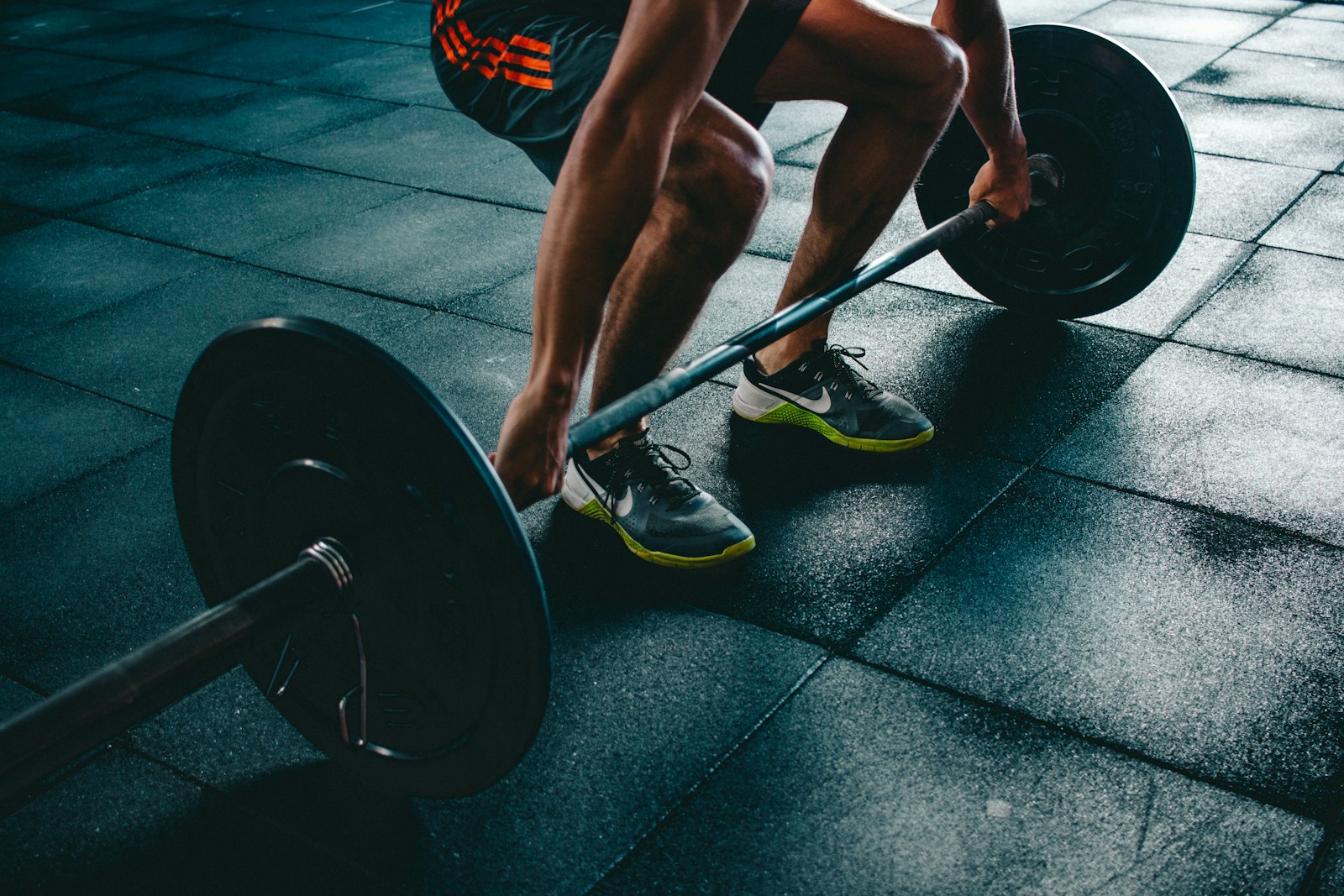
Unstable heavy barbell squats or deadlifts carry an unnecessary risk of lumbar spine compression for older adults. Modern fitness centers like Cult.fit or Gold's Gym offer cable towers and chest-supported selectorized machines that stabilize your posture.
- Chest: Replace heavy bench presses with seated chest press machines or dumbbell neutral-grip presses.
- Back: Swap bent-over rows for seated cable rows and lat pulldowns to protect the lower back.
- Legs: Utilize leg presses and leg extension machines rather than heavy barbell back squats.
Work Within the 8 to 12 Repetition Range
Lifting extremely heavy weights for low repetitions (1–5 reps) places excessive friction on tendons and cartilage. A target range of 8 to 12 controlled repetitions builds muscle efficiently while keeping joint stress manageable. Focus on slow eccentric movements—lowering the weight over 3 seconds before lifting.
Frequency and Recovery Splits
A three-day or four-day push-pull-legs or upper-lower split works best for adults over 50. This frequency guarantees that every muscle group is stimulated twice every week while leaving 48 hours between workouts for tissue repair.
3. The Indian Diet Overhaul: Protein Strategies After 60
The most significant hurdle for Indian seniors attempting to build muscle is inadequate protein intake. The typical Indian meal plan—centered around rice, roti, potatoes, and lentils—delivers an abundance of carbohydrates but rarely meets the structural requirements for muscle synthesis in older adults.
To build and preserve lean mass, mature adults should aim for 1.2 to 1.5 grams of protein per kilogram of body weight daily. For a 70 kg individual, this means targeting roughly 85 to 105 grams of high-quality protein each day.
Whole-Food Protein Sources
- Paneer and Tofu: 100 grams of fresh paneer delivers roughly 18 grams of protein. Tofu offers a lower-calorie alternative with similar protein metrics.
- Sattu and Sprouts: Sattu (roasted gram flour) mixed in cold water makes a traditional, gut-friendly drink providing 20 grams of plant protein per 100 grams.
- Poultry and Fish: For non-vegetarians, chicken breast, surmai, or rohu fish are lean options that support fast recovery.
- Eggs: Eating 3 to 4 egg whites alongside 1 whole egg daily provides highly bioavailable amino acids without overloading cholesterol numbers.
Smart Supplementation
Digestion efficiency often drops as we age. Supplementing with pure Whey Isolate (which contains minimal lactose) can easily bridge a nutrition gap. High-quality protein powders certified by independent labs like Trustified cost roughly ₹2,500 to ₹4,000 per kilogram in India. Ready-to-drink options like Amul Protein Lassi (₹25 for 15g protein) offer convenient daily boosts without extra cooking.
4. Joint Health, Recovery, and Longevity Metrics
Building physical strength after 60 requires equal focus on recovery protocols. Professional trainers emphasize that growth happens during deep sleep, not in the gym.
- Hydration: Older adults often experience a diminished thirst response. Drink at least 2.5 to 3 liters of water daily to keep joint cartilage lubricated.
- Targeted Supplements: Consider adding Omega-3 fish oil (1,000 mg daily) to reduce joint inflammation, along with Vitamin D3 (60,000 IU monthly under doctor supervision) to maintain bone density.
- Sleep Quality: Aim for 7 to 8 hours of quality sleep. Deep sleep triggers human growth hormone release, which repairs worn-out muscle tissue.
- Tracking Metrics: Track heart rate recovery and step counts using smart wearables like the Noise, Fire-Boltt, or Apple Watch to avoid systemic overtraining.
Always consult a qualified sports physician or cardiologist before launching an intense strength training program, especially if you have pre-existing hypertension or cardiac history.
Frequently Asked Questions (FAQs)
1. Is weightlifting safe for seniors with high blood pressure or joint pain?
Yes, provided it is done with correct form and proper breathing techniques. Avoid holding your breath during heavy exertion (Valsalva maneuver), as this spikes blood pressure. Use light-to-moderate resistance on stable machines to build protective muscle around aching joints without overload.
2. Can vegetarians build muscle after 60 using regular Indian home food?
Vegetarians can successfully build muscle by combining protein sources. Pair lentils and beans with dairy items like paneer, curd, and high-quality whey isolate. Consuming protein consistently across all three main meals maximizes muscle protein synthesis.
3. How many days a week should seniors do strength training?
Three to four days per week is ideal. This frequency leaves ample recovery time for central nervous system reset and tissue repair while keeping physical activity consistent enough to drive fitness progress.
Conclusion: Reclaiming Strength in Your Golden Years
Age is no longer a barrier to possessing a strong, lean, and resilient body. Bollywood icons like Sunny Deol and Salman Khan demonstrate that disciplined weight training, intelligent exercise selection, and protein-conscious nutrition can redefine aging in India. By stepping into the weight room safely and nourishing your body intentionally, you can protect your mobility, secure your independence, and thrive well into your golden years.
Support creators
If you found this fitness guide helpful, consider tipping the author on ContentVerse India to support independent wellness journalism.
Was this helpful?
Your feedback helps us improve content for everyone.
Liked this piece?
Tip Dhananjay for the work
100% goes to the creator. Send a one-time tip in rupees and back the writing you love.
Dhananjay Singh
3 followers · 101 blogs
Published 20 Sept 2026 · Updated 20 Sept 2026
Creator on ContentVerse. Building, writing, and shipping in public.
Reviewed by the ContentVerse India editorial team. Educational pages are not personalised advice.
View full profile3 followers



Discussion