
60 Crore Gamers: Why India is Ditching Casual for Shooter & Strategy Games
India's gaming landscape is rapidly evolving, with a staggering 60 crore gamers now preferring complex shooter and strategy titles over simple casual games. This significant shift signals a maturing market, bringing new opportunities and challenges for developers and publishers alike.
Reading this article: 0s
News in 60 words
~150-word AI digest in one read
Thesis, bullets, quote & takeaway — slogan stays "60 words"
6d ·6 min read· 0 · 0 · 0
Full story
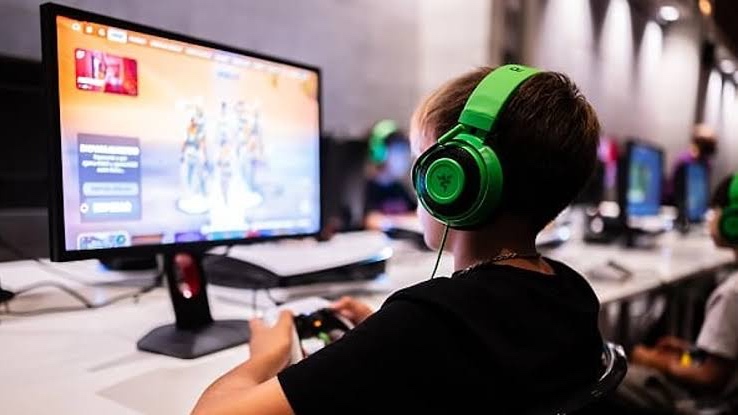
India's digital landscape has been profoundly reshaped by gaming, transforming from a niche hobby into a mainstream phenomenon. With an estimated 60 crore gamers, the nation stands as one of the largest and fastest-growing gaming markets globally. What's truly remarkable, however, is not just the sheer volume of players, but a significant shift in their preferences: a noticeable move away from simple, casual mobile games towards more complex, skill-based shooter and strategy titles. This evolution indicates a maturing market, presenting both exciting opportunities and unique challenges for developers, publishers, and the entire Indian gaming ecosystem.
This shift reflects a deeper engagement from players, who are increasingly seeking immersive experiences, competitive challenges, and strategic depth. For India, a country often associated with hyper-casual games like Ludo King or Candy Crush, this trend marks a pivotal moment, signaling a readiness for more sophisticated gaming content and a robust future for esports.
India's Gaming Boom: From Novelty to Mainstream
The foundation of India's gaming explosion lies in widespread smartphone adoption and affordable data. Over the past decade, smartphones, many priced under ₹15,000, have become ubiquitous, bringing the internet and mobile gaming to millions, even in tier-2 and tier-3 cities. This accessibility initially fueled the rise of casual games, which required minimal processing power and offered instant gratification.
Games like Ludo King, Teen Patti, and various puzzle titles dominated downloads, providing quick entertainment for daily commutes or short breaks. These games served as an entry point, familiarizing a vast new audience with digital interaction and the basic mechanics of mobile gaming. They built the initial gaming habit, paving the way for more complex engagements.
Beyond Simple Taps: The Maturation of Player Preferences
The transition from casual to more demanding genres isn't accidental; it's a multi-faceted evolution driven by several factors. Increased exposure to global gaming trends, fueled by faster internet speeds and the global reach of content platforms like YouTube and Twitch, has played a crucial role. Indian gamers are now witnessing international esports tournaments and engaging with popular streamers, broadening their horizons beyond locally popular casual titles.
Furthermore, the quality of affordable smartphones has improved dramatically. Mid-range devices can now comfortably run graphically intensive games, removing a significant barrier to entry for many. This hardware upgrade has empowered players to explore titles that demand better performance and offer richer gameplay experiences. The rise of esports, with significant prize pools and professional leagues in cities like Mumbai and Bengaluru, has also instilled a competitive spirit, pushing players towards games where skill and strategy are paramount.
The Reign of Action and Intellect: Shooters and Strategy Taking Over
The evidence of this shift is clear in the skyrocketing popularity of games like Battlegrounds Mobile India (BGMI), Garena Free Fire, and Call of Duty Mobile. These titles, all falling under the shooter or battle royale genre, offer intense competitive gameplay, require strategic team coordination, and demand quick reflexes. They aren't just games; they are social hubs where friends team up, strategize, and compete.
Strategy games, while perhaps less flashy than shooters, also command a dedicated following. Titles like Clash of Clans and various real-time strategy (RTS) games engage players with long-term planning, resource management, and tactical decision-making. The mental challenge and continuous progression offered by these genres appeal to a growing segment of gamers looking for deeper, more rewarding experiences than what casual games can provide. The influence of PC strategy games, even for mobile players, has also shaped this preference for complex, thinking-oriented gameplay.
A New Horizon for Developers and Publishers
This evolving preference presents a golden opportunity for game developers and publishers, both Indian and international. For Indian studios, it's a call to innovate and create games that cater to this sophisticated palate. Developers in cities like Pune, Hyderabad, and Chennai are now focusing on building games with richer narratives, more intricate mechanics, and competitive multiplayer modes, moving beyond the simple endless runners or puzzle games.
International publishers are also taking note, investing heavily in localizing content, offering region-specific events, and adapting monetization strategies for the Indian market. For instance, battle passes and cosmetic items, often priced affordably in ₹, have become popular ways for players to engage and support their favorite games. The focus is now on retaining players through engaging updates and fostering strong community engagement, rather than just acquiring new users with simple, viral content.
Navigating the Future: Challenges and Opportunities
Despite the immense potential, the road ahead isn't without its challenges. Issues like internet latency, especially in rural areas, can hinder the experience of fast-paced online games. The regulatory landscape, as seen with the past ban and subsequent unban of BGMI, remains a crucial factor that can significantly impact game availability and market stability. Furthermore, while mid-range smartphones are capable, accessing high-end gaming experiences still requires significant investment for many.
However, opportunities abound. The rollout of 5G promises even lower latency and faster downloads, enhancing the experience of online multiplayer games. The growth of cloud gaming platforms could democratize access to high-fidelity games without requiring expensive hardware. Moreover, the burgeoning esports scene will continue to drive engagement and professionalization within the industry, creating new career paths for gamers and content creators across India.
FAQs
What's driving this shift from casual to complex games in India?
Several factors contribute to this shift: increased exposure to global gaming trends via faster internet and content creators, the availability of more powerful yet affordable smartphones, and the growing influence of esports which fosters a competitive gaming culture.
Are casual games dying out in India?
No, casual games are not dying. They continue to serve as an important entry point for new gamers and remain popular for quick, accessible entertainment. However, the market share and engagement levels for complex shooter and strategy games are growing significantly, indicating a diversification of player interests rather than an outright replacement.
What does this mean for Indian game developers?
For Indian game developers, this shift signals a demand for higher-quality, more complex, and engaging game titles. It encourages innovation in game design, narrative, and multiplayer experiences, moving beyond simple mechanics. It also opens doors for creating original intellectual properties that resonate with a more discerning and mature gaming audience.
Conclusion
India's journey from a casual gaming hub to a dynamic market embracing complex shooter and strategy titles is a testament to its rapid digital evolution and the growing sophistication of its gaming population. This shift not only reshapes player preferences but also redefines the landscape for developers, investors, and the entire entertainment industry. As India continues to connect more people to the internet and technology, the gaming market is poised for even greater innovation and engagement, solidifying its position as a global gaming powerhouse.
Support creators
Was this helpful?
Your feedback helps us improve content for everyone.
Liked this piece?
Tip Dhananjay for the work
100% goes to the creator. Send a one-time tip in rupees and back the writing you love.
Dhananjay Chauhan
0 followers · 0 blogs
Creator on ContentVerse. Building, writing, and shipping in public.
0 followers
Discussion