
India's Extreme Heat: Health Risks & Economic Impact on Workers
India faces increasingly severe heatwaves, posing significant health risks and economic challenges for millions, especially daily wage earners. Understanding these impacts and implementing protective measures is crucial for public health and economic stability.
Reading this article: 0s
News in 60 words
~150-word AI digest in one read
Thesis, bullets, quote & takeaway — slogan stays "60 words"
7d ·7 min read· 0 · 0 · 0
Full story
India is grappling with an escalating crisis: extreme heatwaves that are becoming more frequent, intense, and prolonged. These aren't just uncomfortable weather events; they are a direct threat to public health, a drain on productivity, and a significant economic burden, particularly for the millions of daily wage earners and those in the informal sector who have little choice but to work outdoors.
From the scorching plains of Rajasthan to the humid coastal cities, rising temperatures are reshaping life and livelihoods. Understanding the multifaceted impact of this silent killer and exploring actionable solutions is no longer optional—it's imperative for the well-being and economic resilience of our nation.
The Alarming Reality of India's Heatwaves
Over the past decade, India has witnessed a worrying trend of increasing heatwave days. Cities like Delhi, Ahmedabad, and Jaipur regularly breach 45°C, with some regions in Rajasthan touching 50°C. This isn't merely a statistic; it represents days of immense physical strain, reduced outdoor activity, and increased energy consumption.
The India Meteorological Department (IMD) routinely issues heatwave alerts, indicating a sustained period of abnormally high temperatures. These conditions are exacerbated by urban heat island effects, where concrete and asphalt absorb and re-emit heat, making cities significantly hotter than surrounding rural areas. This environmental shift puts immense pressure on both human health and infrastructure.
Direct Health Risks for Vulnerable Workers
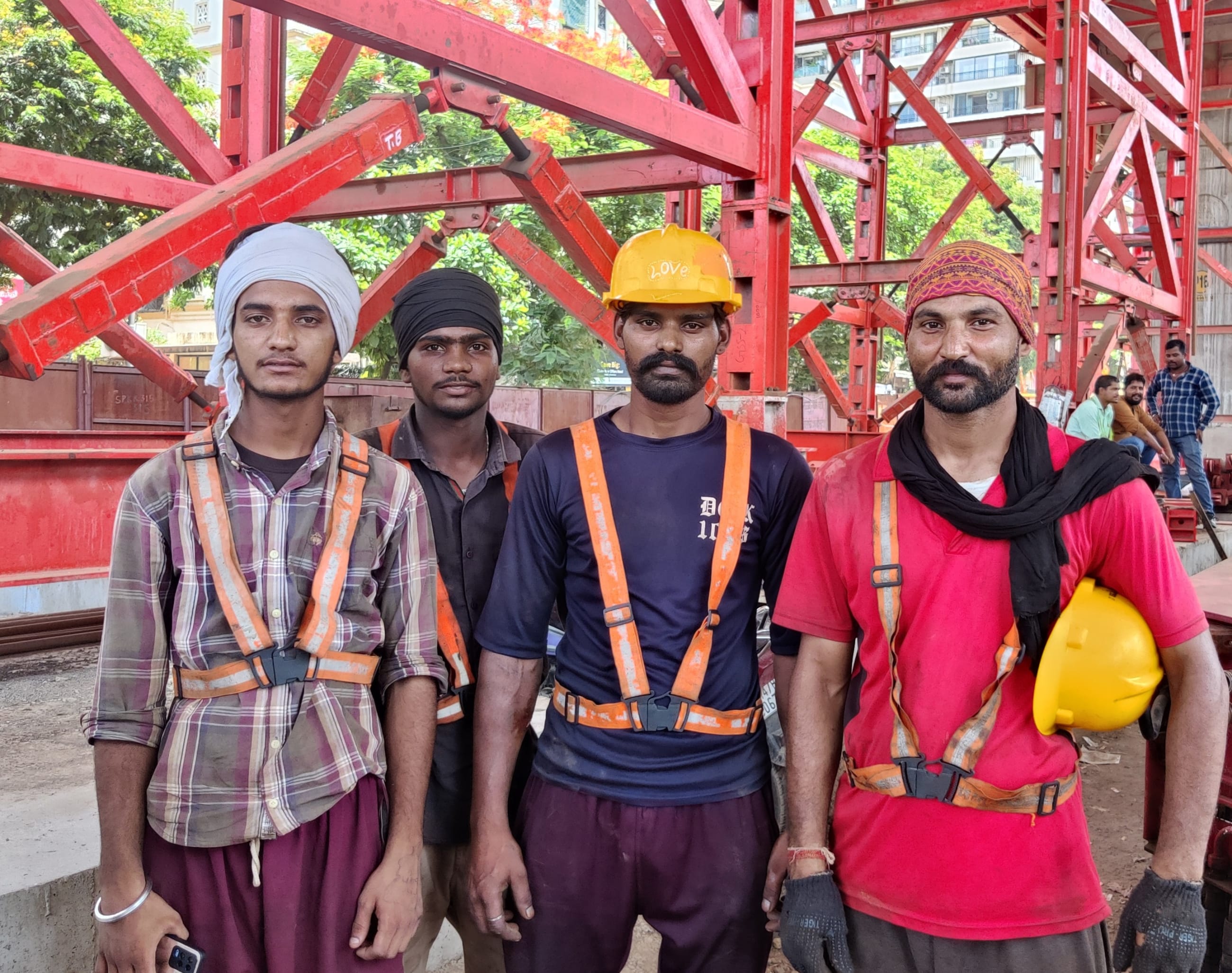
For workers whose livelihoods depend on outdoor labor—be it construction, agriculture, street vending, or delivery services—heatwaves pose immediate and severe health risks. Exposure to high temperatures for extended periods can lead to a spectrum of heat-related illnesses, ranging from mild discomfort to life-threatening conditions.
Common Heat-Related Illnesses
- Heat Exhaustion: Characterized by heavy sweating, weakness, dizziness, nausea, and a rapid pulse. If not addressed, it can progress to heatstroke.
- Heatstroke: A medical emergency where the body's temperature regulation system fails, leading to a core body temperature above 40°C. Symptoms include confusion, slurred speech, hot and dry skin (or profuse sweating), seizures, and loss of consciousness. Immediate medical attention is vital.
- Heat Cramps: Painful muscle spasms, usually in the legs or abdomen, caused by electrolyte imbalance due to excessive sweating.
- Dehydration: A fundamental risk, leading to fatigue, reduced cognitive function, and increased strain on vital organs, especially kidneys. Long-term, chronic dehydration due to heat stress is a growing concern for many Indian workers.
Construction laborers, agricultural workers toiling in fields, and street vendors spending hours under the sun are particularly susceptible. These individuals often lack access to adequate hydration, shade, or rest breaks, intensifying their vulnerability. The cumulative effect of repeated heat exposure can lead to chronic health issues, including kidney damage and cardiovascular problems.
The Staggering Economic Toll
Beyond the immediate health concerns, heatwaves inflict a heavy economic cost on India, disproportionately affecting its most vulnerable populations. The informal sector, which employs a vast majority of the Indian workforce, bears the brunt of this impact, leading to significant wage losses and reduced national productivity.
Impact on Livelihoods and Productivity
- Reduced Working Hours: During peak heat hours (typically 11 AM to 4 PM), it becomes physically impossible or unsafe for many to work. This forces workers to either reduce their working day or shift to less productive hours, directly impacting their daily earnings. For a construction worker earning ₹500-800 a day, losing even a few hours means a substantial income cut.
- Lower Productivity: Even when working, heat stress significantly reduces physical and cognitive performance. Studies suggest a notable drop in output for outdoor labor during extreme heat, translating to less work done per hour.
- Agricultural Losses: Heatwaves directly impact crop yields, livestock health, and fish populations, leading to reduced income for farmers and fishermen. This exacerbates rural distress and food insecurity.
- Supply Chain Disruptions: Extreme heat can affect transportation, storage, and processing of goods, leading to delays and increased costs across various industries.
The International Labour Organization (ILO) has highlighted that India is projected to lose a significant number of working hours due to heat stress, potentially impacting its GDP. This economic strain cascades through families, impacting children's education, nutrition, and overall quality of life, perpetuating cycles of poverty.
Mitigating the Impact: Strategies and Solutions
Addressing India's heatwave crisis requires a multi-pronged approach involving individual actions, employer responsibilities, and robust government policies. Proactive measures can safeguard health and sustain economic activity.
Individual and Community Level Actions
- Hydration: Drink plenty of water throughout the day, even if not thirsty. Avoid sugary drinks, alcohol, and excessive caffeine. Carry a reusable water bottle.
- Timing Work: Where possible, schedule strenuous outdoor tasks for cooler parts of the day, such as early mornings or late evenings. Take frequent breaks in the shade.
- Protective Clothing: Wear loose-fitting, light-colored cotton clothing that allows air circulation. Use a wide-brimmed hat, sunglasses, and a wet towel around the neck to stay cool.
- Seek Shade and Cool Spaces: Utilize natural shade (trees) or public cooling centers if available in your city (e.g., those set up in Ahmedabad or Bhubaneswar). Many temples and community halls can offer temporary respite.
- Recognize Symptoms: Be aware of the signs of heat-related illnesses in yourself and others. Don't hesitate to seek medical help if symptoms are severe.
Employer Responsibilities
Employers, particularly those in construction, manufacturing, and agriculture, have a crucial role in protecting their workforce.
- Provide Water and Shade: Ensure readily available potable water and shaded rest areas for workers.
- Scheduled Breaks: Implement mandatory and frequent rest breaks, especially during peak heat hours.
- Work Re-scheduling: Consider adjusting work timings to avoid the hottest parts of the day, if feasible.
- Training and Awareness: Educate workers on heat stress symptoms, first aid, and preventive measures.
- Personal Protective Equipment (PPE): Provide appropriate gear like hats and cooling vests if necessary.
Government and Policy Interventions
Government bodies, from local municipalities to central agencies, are vital in creating a resilient framework.
- Early Warning Systems: Enhance and widely disseminate heatwave alerts from the IMD through various channels, including local language radio, SMS, and community networks.
- Public Cooling Centers: Establish and promote accessible public cooling centers in urban and rural areas, especially for vulnerable populations.
- Urban Planning: Implement 'cool roof' initiatives, increase green spaces, and promote water-sensitive urban design to mitigate urban heat island effects. Cities like Ahmedabad have pioneered Heat Action Plans that include these elements.
- Labor Law Enforcement: Review and enforce labor laws to ensure safe working conditions during extreme heat, including provisions for rest, water, and shade.
- Social Safety Nets: Strengthen social protection programs to support daily wage earners who lose income due to heat-related work stoppages.
Frequently Asked Questions
Q1: What are the primary symptoms of heatstroke, and what should I do if someone experiences them?
A1: Primary symptoms of heatstroke include a high body temperature (above 40°C), confusion, altered mental state, slurred speech, hot and dry skin (though sometimes sweating may still be present), seizures, and loss of consciousness. If someone exhibits these symptoms, call for emergency medical help immediately. While waiting, move the person to a cooler place, loosen their clothing, and try to cool them down with wet cloths or by fanning them. Do NOT give them fluids to drink if they are unconscious or confused.
Q2: How can daily wage earners protect themselves from heat without losing income?
A2: It's a difficult balance. Strategies include starting work earlier in the morning to finish more tasks before peak heat, taking short, frequent breaks in the shade, and ensuring constant hydration with water or traditional rehydrating drinks like buttermilk (chaas) or lemon water (nimbu pani). Seeking work that offers some shade or negotiating with employers for adjusted timings and water provisions can also help. Community support networks can sometimes offer alternatives or pooled resources during severe heat days.
Q3: Are there any specific government schemes to support workers during heatwaves?
A3: While a comprehensive, nationwide scheme specifically for heatwave-related income loss is still evolving, several initiatives indirectly help. The National Disaster Management Authority (NDMA) issues guidelines for heatwave management, which include recommendations for states to protect vulnerable populations. Some states and cities, like Gujarat and Odisha, have developed their own Heat Action Plans, which might include awareness campaigns, public cooling centers, and recommendations for employers. However, direct financial support for lost wages due to heat is generally not yet institutionalized as a nationwide scheme, making advocacy for such measures crucial.
Conclusion
India's battle against extreme heat is a critical challenge that demands urgent and coordinated action. The health and economic well-being of millions, particularly those in the informal sector, hinge on our collective ability to adapt and respond effectively. By fostering individual resilience, promoting employer responsibility, and implementing robust governmental policies, we can build a more heat-resilient India, safeguarding both lives and livelihoods against the escalating climate threat.
Support creators
If you found this article insightful, consider tipping the writer on ContentVerse to support quality journalism.
Was this helpful?
Your feedback helps us improve content for everyone.
Liked this piece?
Tip Dhananjay for the work
100% goes to the creator. Send a one-time tip in rupees and back the writing you love.
Dhananjay Chauhan
0 followers · 0 blogs
Creator on ContentVerse. Building, writing, and shipping in public.
0 followers
Discussion