
PM Modi's Vision: How Preventive Healthcare Can Transform India's Future
Prime Minister Modi's recent emphasis on preventive healthcare and a robust research ecosystem marks a pivotal moment for India's public health strategy. This vision aims to shift the nation from a curative approach to a proactive model, fostering long-term well-being and economic growth.
Reading this article: 0s
News in 60 words
~150-word AI digest in one read
Thesis, bullets, quote & takeaway — slogan stays "60 words"
2d ·6 min read· 0 · 0 · 0
Full story
The recent statement by Prime Minister Modi, emphasizing preventive healthcare and a strong research ecosystem, has brought these critical pillars to the forefront of India's national discourse. This vision is not just about treating illnesses but about fostering a healthier, more resilient India from the ground up. It marks a crucial shift in our approach to public health, moving beyond reactive care to proactive well-being.
For a nation like India, with its vast population and diverse health challenges, such a strategic focus is transformative. It promises to alleviate the burden on our healthcare infrastructure, reduce out-of-pocket expenses for citizens, and unlock the full potential of our human capital. Understanding this shift is key to appreciating the future trajectory of India's health and economic progress.
The Paradigm Shift: From Cure to Prevention
Historically, India's healthcare system, much like many others globally, has largely focused on curative medicine. People typically seek medical attention only after falling ill, leading to late diagnoses, more complex treatments, and higher costs. This approach places immense pressure on hospitals and medical professionals, often at the expense of early intervention.
The preventive healthcare model, championed by the government, seeks to reverse this trend. It prioritizes measures that stop diseases before they start or catch them in their earliest, most treatable stages. This includes promoting healthy lifestyles, ensuring access to clean water and sanitation, facilitating regular health screenings, and widespread immunization programs. The economic benefits are substantial, as preventing a disease is almost always more cost-effective than treating an advanced illness.
Government Initiatives Driving Prevention
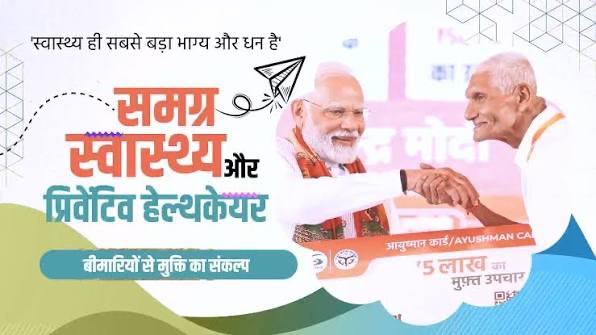
Several key government initiatives underscore this commitment. The Ayushman Bharat Yojana, with its focus on Health and Wellness Centres (HWCs), is a prime example. These centres, spread across rural and urban India, are designed to provide comprehensive primary healthcare services, including screening for non-communicable diseases (NCDs) like diabetes, hypertension, and common cancers. They also offer maternal and child health services and free essential medicines and diagnostics.
Beyond HWCs, programs like the Swachh Bharat Abhiyan have played a foundational role by improving sanitation and hygiene, directly preventing waterborne and vector-borne diseases. The Fit India Movement encourages physical activity and healthy eating, addressing the growing burden of lifestyle diseases prevalent in cities like Delhi and Bengaluru. These initiatives collectively aim to build a culture of wellness and health consciousness.
Catalysing Research and Innovation for Health
PM Modi's vision equally stresses the indispensable role of research and innovation. A strong research ecosystem is the bedrock of advanced healthcare, enabling the development of new diagnostics, vaccines, and therapies tailored to India's unique health profile. The COVID-19 pandemic highlighted India's capability in rapid vaccine development and manufacturing, demonstrating the potential when research is prioritized.
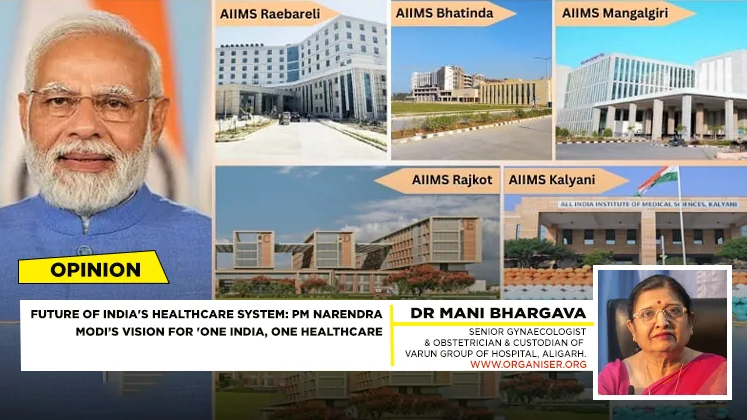
Indian institutions like the Indian Council of Medical Research (ICMR) and various AIIMS branches are pivotal in this. They conduct studies on prevalent diseases, contribute to global health science, and develop cost-effective solutions for local challenges. Increased funding and collaboration between public and private sectors are crucial to accelerate research in areas such as genomics, tropical diseases, and indigenous medicine systems (AYUSH).
Leveraging Technology for Health Outcomes
Technology is a force multiplier in both prevention and research. The Ayushman Bharat Digital Mission (ABDM) aims to create a seamless online platform for health records, allowing for better patient management, data-driven policy making, and personalized care. Digital health IDs, teleconsultations, and AI-powered diagnostics can drastically improve access to healthcare, especially in remote areas.
In research, big data analytics and artificial intelligence can process vast amounts of medical information, identify disease patterns, and accelerate drug discovery. Start-ups in cities like Hyderabad and Pune are actively innovating in these spaces, developing wearable health tech, smart diagnostics, and health management platforms that empower individuals to take charge of their health data.
Community Engagement and Individual Responsibility
Government policies and scientific advancements alone cannot transform a nation's health. The active participation of communities and individuals is paramount. Preventive healthcare thrives when there is widespread health literacy and a collective sense of responsibility towards well-being.
Community health workers, such as ASHA workers and Anganwadi staff, are the frontline soldiers in this movement. They educate families on nutrition, hygiene, immunization, and early disease detection, bridging the gap between healthcare services and the populace. Awareness campaigns on lifestyle diseases, mental health, and substance abuse are vital to empower citizens with knowledge.
Practical Steps for Every Indian
- Embrace Regular Check-ups: Even without symptoms, annual health check-ups can detect potential issues early. Many private clinics offer basic health packages starting from ₹1,500-₹3,000.
- Prioritize Healthy Lifestyle: Incorporate 30 minutes of physical activity daily – be it yoga, walking in a park, or cycling. Opt for balanced diets rich in local fruits, vegetables, and whole grains, reducing processed foods.
- Stay Informed: Follow government health advisories and campaigns. Utilize digital health apps to monitor your health parameters and access reliable information.
- Support Local Initiatives: Participate in community health camps, vaccination drives, and awareness programs organized in your locality.
Frequently Asked Questions
What is the core difference between curative and preventive healthcare?
Curative healthcare focuses on treating illnesses once they have manifested, aiming to alleviate symptoms and restore health. Preventive healthcare, on the other hand, is proactive, focusing on measures to prevent diseases from occurring in the first place or detecting them early to minimize their impact. This includes vaccinations, health screenings, and lifestyle modifications.
How does medical research directly benefit public health in India?
Medical research is crucial for developing new vaccines, effective diagnostics, and better treatment protocols specifically for diseases prevalent in India, such as tuberculosis, dengue, and various NCDs. It also helps in understanding genetic predispositions and environmental factors, leading to more targeted public health interventions and cost-effective solutions for the masses.
What role can an ordinary citizen play in India's preventive healthcare vision?
Ordinary citizens play a vital role by adopting healthy lifestyles, participating in vaccination programs, going for regular health screenings, and maintaining good hygiene. Spreading health awareness within their families and communities, and supporting local health initiatives, also significantly contributes to the collective goal of a healthier India.
Conclusion: A Healthier, Stronger India
PM Modi's vision for preventive healthcare and a robust research ecosystem is a strategic imperative for India's future. It recognizes that the health of a nation is its true wealth, impacting productivity, economic growth, and overall quality of life. By investing in prevention and fostering innovation, India is not just treating illnesses but building a foundation for sustained well-being for generations to come.
This holistic approach, combining governmental support, technological advancement, and community participation, promises to transform India into a healthier, more resilient nation. It's a journey that requires collective effort, but the destination—a healthier India—is well within reach.
Support creators
Was this helpful?
Your feedback helps us improve content for everyone.
Liked this piece?
Tip Dhananjay for the work
100% goes to the creator. Send a one-time tip in rupees and back the writing you love.
Dhananjay Chauhan
0 followers · 0 blogs
Creator on ContentVerse. Building, writing, and shipping in public.
0 followers


Discussion