
Internet Trends That Defined Indian Social Media in 2026
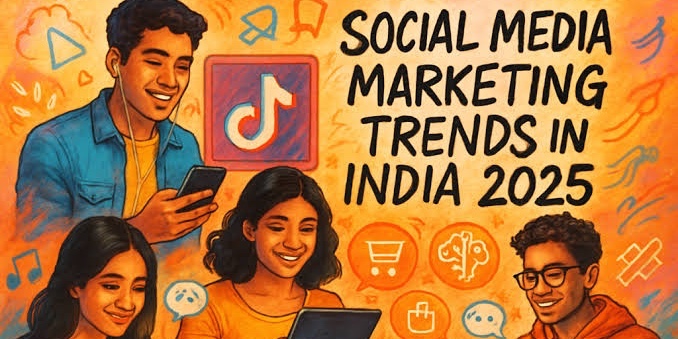
Indian social media in 2026 was a vibrant, multilingual tapestry, constantly evolving across platforms like Reels, X, and WhatsApp. Regional creators, sports commentary, and short-form video continued to reshape how Indians connect and consume content.
Reading this article: 0s
News in 60 words
~150-word AI digest in one read
Thesis, bullets, quote & takeaway — slogan stays "60 words"
(3mo)14 min read 99 0 0
Creator on ContentVerse. Building, writing, and shipping in public.
Full story
Indian internet culture is multilingual and platform-hopping — Reels today, X threads tomorrow, WhatsApp tomorrow night. The digital landscape in India is a vibrant, ever-evolving ecosystem, a reflection of the nation's diverse languages, cultures, and aspirations. In 2026, social media wasn't just a place to connect; it was a dynamic marketplace of ideas, emotions, and entertainment, profoundly shaping how Indians interact with news, brands, and each other. The year saw a deepening of existing trends and the emergence of new paradigms, all rooted in the unique Indian context of rapid digital penetration and a youthful, mobile-first population.
The sheer scale and diversity of India mean that what works in Mumbai might not resonate in Madurai, and a viral trend in Kolkata could be entirely different from one in Lucknow. This complexity makes Indian social media fascinating and challenging, pushing creators and brands to be more authentic, agile, and deeply localized than ever before. From the thunderous roar of cricket commentary translated into real-time memes to the quiet, powerful voices of regional language creators, 2026 was a year that truly underscored the 'India-first' approach to digital engagement.
The Ascendance of Regional Creators: Beyond the Metro Bubble
One of the most defining shifts in Indian social media in 2026 was the undeniable and widespread rise of regional creators. For too long, content creation was largely dominated by creators from metropolitan cities, often speaking English or Hindi. However, 2026 solidified a trend that had been brewing for years: the immense power and reach of content in regional languages. Bhojpuri, Tamil, Bengali, Marathi, Punjabi, Kannada, Malayalam, and Gujarati comedy accounts, lifestyle vloggers, educational channels, and news commentators didn't just hit national brands' radar; they became the radar.
Language as a Catalyst for Connection
This phenomenon is not merely about translation; it's about cultural resonance. A creator speaking in their native tongue, sharing experiences that are deeply relatable to a specific regional audience, fosters a connection that transcends language barriers. Whether it was a Haryanvi creator humorously depicting rural life, a Telugu creator exploring local culinary traditions, or a Punjabi singer creating catchy folk-pop, these voices resonated because they spoke directly to the hearts and minds of their communities. This localization beats dubbed metro content hands down, as it captures nuances, inside jokes, and cultural references that generic, pan-Indian content often misses.
Economic Impact and Brand Partnerships
The economic implications of this shift were significant. Brands, realizing the untapped potential and the highly engaged audiences, aggressively sought partnerships with regional influencers. FMCG companies, fintech startups, and even international tech giants began dedicating substantial portions of their marketing budgets to localized campaigns. A creator with 500,000 highly engaged followers in Odisha often proved more effective for a local product launch than a national celebrity with millions of passive followers. This led to a democratization of earning opportunities for creators across India, bringing economic empowerment to smaller towns and villages. The average earning potential for a mid-tier regional creator saw a healthy increase, with sponsorship deals ranging from ₹50,000 to ₹5,00,000 or more per campaign, depending on reach and engagement.
The Power of Authenticity and Local Nuance
The success of regional creators in 2026 also highlighted the premium placed on authenticity. Audiences were increasingly discerning, gravitating towards creators who felt genuine and relatable. This meant content that reflected local dialects, attire, festivals, and daily struggles. From short-form skits depicting family dynamics in a specific regional context to long-form vlogs showcasing travel through lesser-known parts of India, content that celebrated local identity thrived. This trend not only enriched India's digital cultural tapestry but also gave a powerful platform to diverse voices and narratives that were previously underrepresented.
Sports as a Real-Time Social Unifier
In India, sports, particularly cricket, is not just a game; it's a religion. In 2026, this fervent passion translated into an unparalleled level of social media engagement, making sports a powerful social glue. Major tournaments, whether international cricket series, the Indian Premier League (IPL), or even the Pro Kabaddi League, saw an explosion of real-time commentary, memes, and discussions across all platforms.
The Thrill of Live Reactions and Instant Memes
Match memes spiked in real-time, often becoming viral sensations within minutes of a significant event on the field. A dropped catch, a spectacular six, a controversial umpire's decision – each moment was instantaneously dissected, celebrated, or commiserated through witty visuals and sharp commentary. This immediate, collective reaction created a shared experience for millions, transcending geographical boundaries and uniting fans in a digital stadium. Platforms like X (formerly Twitter) and Instagram Reels became battlegrounds for fan banter, highlight reels, and instant analysis, often outperforming traditional sports news outlets in terms of speed and relatability.
Brands Scoring Big with Agility
For brands, sports events presented a golden opportunity for real-time marketing. Those that reacted quickly and cleverly to match developments won big. A brand that could craft a witty meme or a relevant ad campaign moments after a key play often saw massive engagement and positive sentiment. Conversely, tone-deaf or irrelevant posts during high-stakes games were swiftly ratioed, facing public backlash. The key was agility, understanding the pulse of the game, and having a creative team ready to deploy content instantly. Many brands even set up 'war rooms' during major matches, staffed with social media managers and graphic designers, to capitalize on these fleeting, high-impact moments.
From Cricket Fervor to Kabaddi Camaraderie
While cricket remained the undisputed king, other sports also carved out significant social media spaces. The Pro Kabaddi League, for instance, generated substantial regional engagement, with fans passionately supporting their city teams. Football, particularly during international leagues and the Indian Super League (ISL), also saw dedicated communities sharing tactical analyses and player adoration. This diverse sporting interest ensured that the social media calendar was always buzzing, providing continuous opportunities for engagement and content creation throughout the year.
Commentary Over Headlines: The Rise of Explainer Content
In an age of information overload and often sensationalized headlines, 2026 saw a distinct shift in how young Indians consumed news and understood complex issues. Traditional news pages, while still important, often took a backseat to creators who could explain news with memes, context, and a relatable tone. This 'commentary over headlines' trend signified a growing trust in individual creators as curators and interpreters of information.
Deconstructing News for the Digital Generation
Whether it was current affairs, economic policies, or social issues, creators who broke down complex topics into digestible, engaging formats gained massive traction. They used infographics, short video explainers, humorous skits, and even interactive Q&A sessions to make sense of the world. For instance, a creator explaining the implications of a new tax policy in a 60-second Reel, or another dissecting geopolitical developments through an engaging X thread, often outperformed lengthy news articles for youth audiences. This wasn't about replacing journalism, but about making it more accessible and understandable for a generation that learns visually and interactively.
The Trust Factor: Creators as Curators
This trend also highlighted a significant shift in trust. Many young people found creators more trustworthy and less biased than traditional media outlets, perceiving them as more independent and relatable. This personal connection allowed creators to build strong communities around informed discussion, fostering critical thinking rather than just passive consumption of headlines. From finance gurus simplifying investment jargon to political commentators offering nuanced perspectives, these creators became indispensable guides in navigating a complex world.
Impact on Public Discourse and Awareness
The impact on public discourse was profound. Creators not only informed but also shaped opinions and spurred action. Campaigns for social causes, environmental awareness, or public health initiatives gained momentum through creator-led content, reaching millions who might otherwise have remained disengaged. This democratic nature of information dissemination meant that diverse perspectives, often from marginalized communities, found powerful platforms, enriching public debate and fostering greater awareness across various societal strata.
Short-Form Video: The Undisputed King of Engagement
While short-form video has been a dominant force for a few years, 2026 solidified its reign as the most popular content format across Indian social media. Platforms like Instagram Reels, YouTube Shorts, and homegrown apps like Moj and Josh continued to innovate, offering new features and monetization avenues that kept creators and audiences hooked.
The Ecosystem of Reels, Shorts, and Indian Apps
Short-form video was no longer just for entertainment; it became a versatile medium for everything from quick news updates and educational snippets to product reviews and personal vlogs. The ease of creation, coupled with sophisticated algorithms that pushed relevant content to users, ensured high engagement rates. The competition among platforms also pushed for better creator tools, royalty programs, and brand partnership opportunities, making short-form video a lucrative career path for many.
Democratization of Content Creation
One of the most significant impacts of short-form video was the further democratization of content creation. With just a smartphone, anyone could become a creator, sharing their talents, stories, and perspectives. This led to an explosion of diverse content, from dancers in rural Punjab showcasing traditional moves to tech enthusiasts in Bengaluru sharing quick coding tips. The low barrier to entry fostered a vibrant and inclusive creator community across India.
The Creator Economy's New Frontier
For the creator economy, short-form video opened new frontiers. Beyond direct ad revenue, creators monetized through brand collaborations, affiliate marketing, and even direct fan support via platform features. Many small businesses leveraged short videos to showcase products, conduct quick tutorials, and engage directly with potential customers, driving sales and building brand loyalty in innovative ways. The sheer volume of content and consumption meant that even niche creators could find substantial audiences and build sustainable careers.
Niche Communities and Hyper-Personalization: Finding Your Tribe
As the internet grew, so did the desire for connection within specific interest groups. 2026 was the year of hyper-personalization and the flourishing of niche communities. Users weren't just looking for general entertainment; they sought out content and communities that deeply resonated with their specific hobbies, passions, or struggles.
The Era of Micro-Influencers
This trend fueled the rise of micro-influencers and nano-influencers – individuals with smaller but incredibly dedicated followings centered around a very specific niche. From vintage stamp collectors in Chennai to sustainable fashion enthusiasts in Pune, from regional indie music lovers to aspiring astronomers, these communities thrived on shared interests. Brands recognized the immense value in these highly engaged, targeted audiences, often preferring to collaborate with a handful of micro-influencers over one mega-influencer for specific campaigns.
Authenticity as the New Currency
Within these niche communities, authenticity was paramount. Members valued genuine expertise, shared experiences, and open dialogue. Creators who were true to their niche, transparent about their affiliations, and actively engaged with their community built immense trust and loyalty. This contrasted sharply with the more curated, often aspirational content seen on broader platforms, emphasizing a shift towards genuine connection over polished perfection.
From Foodies to Finance Gurus
Examples abounded: dedicated groups for specific regional cuisines, communities discussing mental health in local languages, forums for specific gaming titles, or even groups focused on traditional Indian art forms. These communities provided safe spaces for discussion, learning, and mutual support, proving that in a vast digital world, people still sought out their 'tribe' for deeper, more meaningful interactions. Finance gurus, for instance, built communities around specific investment strategies, while foodies shared recipes and restaurant reviews, all within their dedicated, trusted circles.
The Blurring Lines: Infotainment and Edutainment
In 2026, the clear distinction between learning and entertainment continued to blur, giving rise to the powerful trends of 'infotainment' and 'edutainment'. Indian social media users, particularly the youth, increasingly turned to platforms not just for fun but also for acquiring knowledge, learning new skills, and staying informed in engaging ways.
Learning While Scrolling
Creators found innovative ways to package complex information into easily digestible and entertaining formats. History lessons were taught through captivating storytelling on podcasts, science concepts were explained with visually stunning animations on Reels, and financial literacy was imparted through relatable skits. This meant that users could learn about anything from quantum physics to personal finance while scrolling through their feeds, making education an integrated part of their daily digital consumption.
Creative Formats for Complex Topics
The creativity in presenting educational content was remarkable. Animated explainer videos, interactive quizzes, short documentary-style series, and even 'day in the life' vlogs showcasing different professions gained immense popularity. These formats broke down traditional barriers to learning, making topics that might seem intimidating in textbooks accessible and enjoyable. For instance, a creator might explain the Indian Constitution through a series of engaging short videos, making civics relevant and interesting to a young audience.
Impact on Skill Development and Awareness
This trend had a significant impact on skill development and general awareness. Many individuals learned basic coding, digital marketing skills, or even new languages through social media tutorials. Public awareness campaigns on health, environmental issues, or civic duties often leveraged edutainment formats to reach a wider audience effectively, making complex topics understandable and fostering a more informed citizenry. This informal learning ecosystem complemented traditional education, providing practical, real-world knowledge that resonated with the needs of a rapidly changing economy.
Live Commerce and Interactive Experiences: Shop, Engage, Repeat
Live commerce, where products are showcased and sold during live streaming sessions, emerged as a significant trend in India in 2026. Building on the success seen in other Asian markets, Indian brands and creators embraced this interactive shopping experience, turning social media into dynamic marketplaces.
The Evolution of Shopping on Social Media
Gone were the days of static product images. Live streams allowed sellers to demonstrate products, answer questions in real-time, and offer exclusive deals, creating an immersive and engaging shopping environment. From fashion apparel and cosmetics to electronics and home decor, a wide array of products found success through live commerce. Platforms like Instagram and YouTube integrated sophisticated live shopping features, making it seamless for viewers to purchase items directly during a stream.
Building Trust Through Live Interaction
Live commerce thrived on authenticity and interaction. Viewers could see products being used, ask specific questions about size, material, or functionality, and receive immediate responses. This transparency built a higher level of trust compared to traditional e-commerce, reducing buyer hesitation. Influencers and celebrities often hosted these sessions, leveraging their personal brand and rapport with their audience to drive sales, turning shopping into an entertaining and social event.
A New Revenue Stream for Creators and Brands
For creators, live commerce opened a powerful new revenue stream beyond traditional brand endorsements. They could earn commissions on sales made during their streams, incentivizing them to genuinely recommend products they believed in. For brands, it provided a direct and highly engaging channel to reach customers, gather instant feedback, and create buzz around new launches. The convenience of shopping from home, combined with the excitement of a live event, made live commerce a win-win for both sellers and consumers, especially in tier-2 and tier-3 cities where digital adoption was high but access to diverse retail options might be limited.
FAQ: Demystifying Indian Social Media Trends
What platforms are most popular for content creation in India?
In 2026, Instagram (especially Reels), YouTube (for both long-form and Shorts), and Facebook remained highly popular. Homegrown short-video apps like Moj and Josh also commanded significant user bases, particularly in regional language content. X (formerly Twitter) was crucial for real-time news and commentary, while WhatsApp was indispensable for community building and direct communication.
How do regional creators monetize their content?
Regional creators monetize through a diverse range of avenues, including direct brand partnerships and sponsorships, platform-specific monetization programs (like YouTube AdSense, Instagram bonuses), affiliate marketing, live commerce commissions, and sometimes direct fan support through features like super chats or paid subscriptions. The growing focus on local markets by brands has significantly boosted opportunities for regional creators.
What role does AI play in Indian social media trends?
While not directly a 'trend' in user behavior, AI plays a crucial background role. Creators use AI tools for content generation (e.g., script suggestions, image editing, video captions), content optimization (e.g., best posting times, hashtag suggestions), and analytics. Platforms heavily leverage AI for personalized content recommendations, spam detection, and trend identification, thus subtly shaping user experiences and content discoverability.
How can brands effectively engage with Indian social media users?
Effective engagement requires deep understanding of India's diversity. Key strategies include creating highly localized content in regional languages, leveraging regional creators, participating in real-time cultural moments (like sports events or festivals), embracing short-form video, building niche communities, and adopting interactive formats like live commerce. Authenticity and cultural sensitivity are paramount.
Conclusion: The Ever-Evolving Tapestry of Indian Digital Culture
2026 was a pivotal year that cemented several key internet trends in Indian social media. From the powerful voices of regional creators resonating across the nation to the unifying force of sports commentary and the ubiquitous nature of short-form video, the digital landscape proved to be as diverse and dynamic as India itself. The shift towards commentary over headlines, the growth of niche communities, and the rise of live commerce all pointed to a more engaged, informed, and interactive user base. As India continues its digital journey, these trends will undoubtedly evolve, but the core principles of authenticity, localization, and community will remain at the heart of its vibrant social media culture.
Support creators
If you enjoyed this deep dive into Indian social media trends, consider exploring other insightful articles on ContentVerse. Tipping your favourite writers helps them continue creating valuable content.
Was this helpful?
Your feedback helps us improve content for everyone.
Liked this piece?
Tip Dhananjay for the work
100% goes to the creator. Send a one-time tip in rupees and back the writing you love.
Dhananjay Singh
3 followers · 84 blogs
Published 17 Jun 2026 · Updated 16 Sept 2026
Creator on ContentVerse. Building, writing, and shipping in public.
Reviewed by the ContentVerse India editorial team. Educational pages are not personalised advice.
View full profile3 followers
Discussion