
Jaipur 3-Day Itinerary for First-Time Visitors
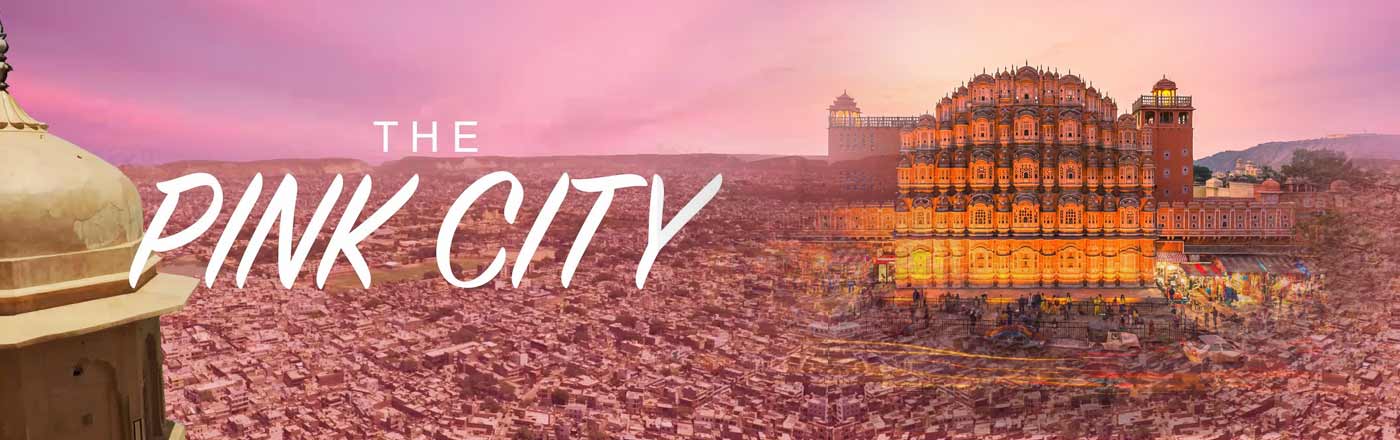
Discover the magic of Jaipur, the Pink City, with our meticulously planned 3-day itinerary designed for first-time visitors. From majestic forts to bustling bazaars, experience the best of Rajasthan's vibrant capital.
Reading this article: 0s
News in 60 words
~150-word AI digest in one read
Thesis, bullets, quote & takeaway — slogan stays "60 words"
(3mo)13 min read 5 0 0
Creator on ContentVerse. Building, writing, and shipping in public.
Full story
Introduction: Welcome to the Pink City
Jaipur, the capital of Rajasthan, is a city that mesmerizes with its vibrant culture, rich history, and stunning architecture. Fondly known as the 'Pink City' due to the distinctive colour of its buildings, Jaipur offers a captivating blend of ancient heritage and modern charm. For first-time visitors, navigating this sprawling metropolis can feel a bit overwhelming, but with a well-planned itinerary, you can unlock its many treasures and create unforgettable memories.
This 3-day itinerary is crafted specifically for those experiencing Jaipur for the first time, ensuring you hit all the major highlights while also soaking in the local flavour. From colossal forts perched on hillsides to intricate palaces in the heart of the city, and from bustling traditional markets to serene temples, we've got your journey covered. Get ready to immerse yourself in the royal legacy of the Maharajas and the vibrant spirit of Rajasthan!
Getting There & Getting Around Jaipur
Before we dive into the daily adventures, let's talk logistics. Jaipur is incredibly well-connected, making it easy to reach from anywhere in India and beyond.
Reaching Jaipur
- By Air: Jaipur International Airport (JAI) is well-served by domestic and international flights. It’s about 10-12 km from the city centre. Taxis and app-based cabs (Ola, Uber) are readily available outside the terminal.
- By Train: Jaipur Junction (JP) is a major railway station with excellent connectivity to all major Indian cities like Delhi, Mumbai, Kolkata, and Chennai. The Shatabdi Express from Delhi is a popular choice for its speed and comfort.
- By Road: Jaipur is connected by national highways to several cities. You can opt for state-run or private buses, or hire a private car from nearby cities like Delhi (approx. 5-6 hours), Agra (approx. 4-5 hours), or Udaipur (approx. 7-8 hours).
Getting Around Jaipur
Navigating the city is relatively easy with various options:
- Auto-rickshaws: These are ubiquitous and convenient for shorter distances. Always negotiate the fare before starting your journey, or insist on using the meter (though many drivers might refuse).
- App-based Cabs (Ola/Uber): Highly recommended for convenience, fixed pricing, and reliability. They are available throughout the city.
- Private Taxis: You can hire a full-day private taxi through your hotel or local tour operators. This offers comfort and flexibility, especially for visiting multiple attractions outside the city centre like Amber Fort.
- Local Buses: While the cheapest option, they can be crowded and confusing for first-time visitors. Not recommended for sightseeing.
- Scooter/Motorcycle Rentals: For the adventurous, renting a two-wheeler can offer freedom, but be prepared for heavy traffic and chaotic roads.
Day 1: Royal Beginnings & Architectural Marvels
Your first day in Jaipur is dedicated to exploring the magnificent forts that stand as a testament to the city's glorious past, offering breathtaking views and intricate architecture.
Morning: Amber Fort & Panna Meena ka Kund
Start your day early (ideally by 8:00 AM) with a visit to the majestic Amber Fort (Amer Fort), a UNESCO World Heritage Site located about 11 km from the city centre. This sprawling fort-palace complex, built with red sandstone and marble, is an architectural masterpiece.
- Highlights: Explore the stunning courtyards, palaces, and halls. Don't miss the Sheesh Mahal (Mirror Palace), adorned with thousands of tiny mirrors that twinkle in candlelight. The Ganesh Pol, with its exquisite frescoes, is another highlight. You can reach the fort's entrance either by walking uphill, taking a jeep ride, or experiencing a traditional elephant ride (though environmental concerns have led many to opt for jeeps).
- Time Recommended: 3-4 hours.
On your way down from Amber Fort, make a quick stop at Panna Meena ka Kund, an ancient stepwell near the fort. Its symmetrical steps and tranquil setting offer a fantastic photo opportunity and a glimpse into traditional Indian water harvesting systems.
Afternoon: Jaigarh Fort & Nahargarh Fort for Sunset
After Amber Fort, you have a couple of options depending on your energy levels and interest:
- Jaigarh Fort: Located on a hilltop overlooking Amber Fort, Jaigarh Fort is known for its massive cannon, Jaivana, which was once the world's largest wheeled cannon. It offers panoramic views of Amber Fort and the surrounding Aravalli hills. It's less ornate than Amber but historically significant. You can reach it via a short drive from Amber.
- Time Recommended: 1.5-2 hours (if combining with Nahargarh).
For a truly memorable experience, head to Nahargarh Fort in the late afternoon. Perched on the edge of the Aravalli Hills, Nahargarh offers spectacular sunset views over the entire Pink City. The fort itself has a unique blend of Indian and European architectural styles. Inside, you can also visit the Jaipur Wax Museum which houses lifelike wax statues of famous personalities.
- Highlights: The sunset point is the main draw. Enjoy a cup of chai or a snack at the cafe while watching the city lights twinkle below.
- Time Recommended: 2-3 hours (including travel and sunset viewing).
Dinner Suggestion: Enjoy a traditional Rajasthani thali at a local restaurant in the city centre. Options like Handi Restaurant or Chokhi Dhani (if you want a cultural experience on Day 3, then pick another place today) offer authentic flavours.
Day 2: Pink City's Heart & Palatial Grandeur
Day two is all about exploring the heart of the Pink City – its iconic palaces, observatories, and vibrant bazaars.
Morning: Hawa Mahal & City Palace
Begin your day early at the iconic Hawa Mahal (Palace of Winds), often considered the face of Jaipur. This five-story palace, built in 1799, features an elaborate façade with 953 small windows (jharokhas) designed to allow royal ladies to observe street festivities without being seen. While its exterior is the most famous, you can also go inside to see the structure from within and enjoy the views.
- Highlights: The intricate latticework of the windows, the unique ventilation system, and the views of Sireh Deori Bazaar.
- Time Recommended: 1 hour (for exterior viewing and a quick interior visit).
Just a short walk or auto-rickshaw ride from Hawa Mahal is the City Palace. This sprawling complex is a beautiful blend of Rajput, Mughal, and European architecture. It still serves as the residence of the Jaipur royal family in a section.
- Highlights: Mubarak Mahal (now a museum for textiles and royal costumes), Chandra Mahal (the royal residence), Diwan-i-Aam (Hall of Public Audience), Diwan-i-Khas (Hall of Private Audience), and the stunning Pitam Niwas Chowk with its four magnificent gates representing different seasons.
- Time Recommended: 2-3 hours.
Afternoon: Jantar Mantar & Albert Hall Museum
Adjacent to the City Palace is Jantar Mantar, a UNESCO World Heritage site and an astronomical observatory built by Maharaja Sawai Jai Singh II. It houses a collection of nineteen architectural astronomical instruments, including the world's largest stone sundial, the Samrat Yantra. A guided tour is highly recommended to understand the ingenious purpose of each instrument.
- Highlights: Samrat Yantra, Jai Prakash Yantra, Ram Yantra, and the precision of ancient Indian astronomy.
- Time Recommended: 1.5-2 hours.
From Jantar Mantar, head towards the Albert Hall Museum, Rajasthan's oldest museum, housed in a magnificent Indo-Saracenic building in Ram Niwas Garden. The museum boasts an extensive collection of artefacts including paintings, carpets, ivory, stone, metal sculptures, and an Egyptian mummy, offering a deep dive into Rajasthan's art and history.
- Highlights: The diverse collection, the architecture of the building itself, and the famous Egyptian mummy.
- Time Recommended: 1.5-2 hours.
Evening: Shopping & Local Flavours
No trip to Jaipur is complete without indulging in some retail therapy. The city is famous for its vibrant bazaars, offering everything from exquisite jewellery to colourful textiles and handicrafts.
- Johari Bazaar: Known for its stunning precious and semi-precious gemstones, traditional Kundan jewellery, and Meenakari work. Perfect for buying gifts or a special souvenir.
- Bapu Bazaar: Famous for its Mojari (traditional Rajasthani footwear), leather goods, textiles, and local handicrafts.
- Tripolia Bazaar: Specializes in lac bangles and brassware.
Dinner Suggestion: Explore the street food scene near these bazaars, trying local delicacies like Pyaz Kachori, Mirchi Bada, or a refreshing Lassi. For a more formal dinner, consider a rooftop restaurant with city views.
Day 3: Heritage, Culture & Culinary Delights
Your final day in Jaipur offers a mix of spiritual solace, unique experiences, and a grand cultural finale.
Morning: Galta Ji Temple (Monkey Temple)
Start your day with a visit to Galta Ji Temple, popularly known as the Monkey Temple, located amidst a narrow crevice in the Aravalli hills. This ancient Hindu pilgrimage site features a series of temples, pavilions, and sacred water tanks (kunds) where pilgrims take holy dips. The temple complex is home to a large community of monkeys, which are considered sacred and are quite friendly, adding to the unique charm of the place.
- Highlights: The beautiful frescoes, the natural spring flowing into the kunds, the serene atmosphere, and the playful monkeys.
- Time Recommended: 2-3 hours.
Alternative/Addition: If time permits or if you prefer a different kind of spiritual experience, you can visit Birla Mandir, a modern temple constructed entirely of white marble. Its intricate carvings and serene atmosphere offer a peaceful contrast.
Afternoon: Leisure or Specific Interests
Spend your afternoon at leisure. You could revisit a favourite spot, explore a specific market in more detail, or perhaps indulge in a local experience:
- Block Printing Workshop: Learn the traditional art of block printing, a craft Jaipur is famous for, at a local workshop.
- Cooking Class: Discover the secrets of Rajasthani cuisine by participating in a cooking class.
- Local Art Galleries: Explore contemporary Rajasthani art.
- Relaxation: Enjoy a traditional Ayurvedic massage or simply unwind at a cafe.
Evening: Chokhi Dhani - A Cultural Extravaganza
Conclude your Jaipur journey with an unforgettable evening at Chokhi Dhani, an ethnic village resort designed to give visitors a glimpse into the traditional Rajasthani village life and culture. It's located a bit outside the city, so plan for travel time.
- Highlights: Enjoy traditional Rajasthani folk dances (like Ghoomar and Kalbeliya), puppet shows, magic shows, camel rides, elephant rides, palm readers, and more. The highlight is the authentic Rajasthani dinner served in a traditional setting, often with live music and performers.
- Time Recommended: 3-4 hours (including dinner).
Alternative Dinner: If Chokhi Dhani isn't your preference, consider a fine dining experience at one of Jaipur's heritage hotels, like The Raj Palace or Suvarna Mahal at Rambagh Palace, for a luxurious end to your trip.
Essential Tips for First-Time Visitors to Jaipur
To ensure your trip to the Pink City is smooth and enjoyable, here are some practical tips:
Best Time to Visit
The ideal time to visit Jaipur is during the winter months, from October to March. The weather is pleasant and cool, making it perfect for sightseeing. Summers (April to June) are extremely hot, and monsoons (July to September) can be humid, though the landscape turns lush green.
What to Pack
- Comfortable Walking Shoes: You'll be doing a lot of walking, especially at the forts.
- Light Cotton Clothes: For daytime, even in winter, the sun can be strong. Pack breathable fabrics.
- Shawl/Scarf/Light Jacket: For evenings, as temperatures can drop, especially in winter. Also useful for covering shoulders when visiting religious sites.
- Sunscreen, Hat, Sunglasses: Essential to protect yourself from the strong sun.
- Basic First-Aid Kit: Include band-aids, antiseptic, and any personal medications.
- Power Bank: To keep your phone charged for navigation and photos.
Local Etiquette & Safety
- Dress Modestly: Especially when visiting religious sites or traditional areas, respectful attire is appreciated.
- Bargain: In local bazaars, bargaining is common and expected. Start with an offer around 50-60% of the quoted price.
- Stay Hydrated: Carry a water bottle and drink plenty of fluids, especially during warmer months.
- Beware of Touts: Be polite but firm with persistent hawkers or unofficial guides. Always prefer licensed guides at major attractions.
- Keep Valuables Safe: Use a money belt or secure bag, and be mindful of your surroundings in crowded areas.
- Photography: Always ask for permission before photographing people, especially women.
Food & Drink
Jaipur is a paradise for food lovers. Don't leave without trying:
- Dal Bati Churma: A quintessential Rajasthani dish of baked wheat balls, lentils, and a sweet crumbled wheat dessert.
- Laal Maas: A fiery red mutton curry, a must-try for non-vegetarians.
- Ghewar: A disc-shaped sweet cake, especially popular during festivals.
- Pyaz Kachori: A deep-fried pastry filled with spicy onion mixture, perfect for breakfast or a snack.
- Lassi: A refreshing yogurt-based drink, especially the creamy versions.
Connectivity
Most hotels and many cafes offer Wi-Fi. You can also purchase a local prepaid SIM card (e.g., Airtel, Jio, Vodafone Idea) for seamless connectivity, though you'll need ID proof (passport/Aadhaar) and a passport-sized photo.
Beyond the Itinerary: Customizing Your Trip
While this 3-day itinerary covers the essentials, Jaipur and its surroundings offer much more if you have extra time or specific interests.
For Longer Stays
- Day Trip to Pushkar/Ajmer: Explore the holy town of Pushkar with its famous Pushkar Lake and Brahma Temple, and the Dargah Sharif in Ajmer.
- Abhaneri Stepwell (Chand Baori): A stunning 9th-century stepwell, one of the deepest and largest in India, located about 95 km from Jaipur. Often combined with a visit to the Harshaat Mata Temple.
- Ranthambore National Park: If you're a wildlife enthusiast, consider extending your trip by 2-3 days for a safari experience to spot tigers in their natural habitat. It's about a 3.5-hour drive from Jaipur.
Specific Interests
- Hot Air Ballooning: Experience Jaipur from a unique perspective with a hot air balloon ride at sunrise.
- Cycling Tours: Explore the old city or the rural outskirts on a guided cycling tour.
- Textile & Craft Tours: Delve deeper into Jaipur's renowned crafts like block printing, blue pottery, and miniature painting.
Frequently Asked Questions (FAQ)
Q1: How much does a 3-day trip to Jaipur cost for a first-time visitor?
A 3-day trip to Jaipur can vary significantly based on your travel style. For a budget traveler staying in guesthouses, eating local food, and using auto-rickshaws, a rough estimate could be ₹5,000 - ₹8,000 per person (excluding flights/trains). Mid-range travelers staying in 3-4 star hotels, using cabs, and dining at good restaurants might spend ₹12,000 - ₹20,000 per person. Luxury travelers could easily spend ₹30,000+ per person. This includes accommodation, food, local transport, and entry fees.
Q2: Is Jaipur safe for solo female travellers?
Jaipur is generally considered safe for solo female travellers, but like any major city in India, it's crucial to exercise caution and common sense. Stick to well-lit and crowded areas, avoid going out alone late at night, dress modestly, and use reputable taxi services (like Ola/Uber). Inform your hotel about your plans and share your live location with a trusted contact. Many solo female travellers have wonderful experiences in Jaipur.
Q3: What is the best way to commute between attractions in Jaipur?
For convenience and fixed pricing, app-based cabs like Ola and Uber are highly recommended. For shorter distances within the Old City, auto-rickshaws are plentiful, but remember to negotiate fares beforehand. If you prefer a hassle-free experience for a full day of sightseeing, especially when visiting Amber Fort and other distant attractions, hiring a private taxi for the day is a good option.
Q4: Should I book entry tickets to attractions in advance?
For major attractions like Amber Fort and City Palace, especially during peak tourist season (October-March), it's advisable to book tickets online in advance to save time and avoid long queues. Some sites offer combination tickets which can be more economical if you plan to visit multiple attractions. However, for most other places, you can usually buy tickets on the spot without much wait.
Conclusion: Your Royal Journey Awaits
Jaipur, with its magnificent forts, opulent palaces, vibrant bazaars, and rich cultural tapestry, promises an unforgettable experience for every first-time visitor. This 3-day itinerary is merely a starting point, a guide to help you navigate the wonders of the Pink City. Allow yourself to get lost in its charming alleys, savour its delectable cuisine, and immerse yourself in the warmth of Rajasthani hospitality. Whether you're captivated by the grandeur of Amber Fort or charmed by the bustling life around Hawa Mahal, Jaipur will leave an indelible mark on your heart. So pack your bags, prepare for an adventure, and let the magic of Rajasthan unfold before your eyes!
Support creators
Enjoyed this guide? Consider leaving a tip to support the writer on ContentVerse. Your contribution helps us create more helpful and engaging content for fellow travellers.
Was this helpful?
Your feedback helps us improve content for everyone.
Liked this piece?
Tip Dhananjay for the work
100% goes to the creator. Send a one-time tip in rupees and back the writing you love.
Dhananjay Singh
3 followers · 84 blogs
Published 17 Jun 2026 · Updated 10 Sept 2026
Creator on ContentVerse. Building, writing, and shipping in public.
Reviewed by the ContentVerse India editorial team. Educational pages are not personalised advice.
View full profile3 followers
Discussion