
Nifty 50 Index Funds vs Direct Stocks: What Should Indians Pick?
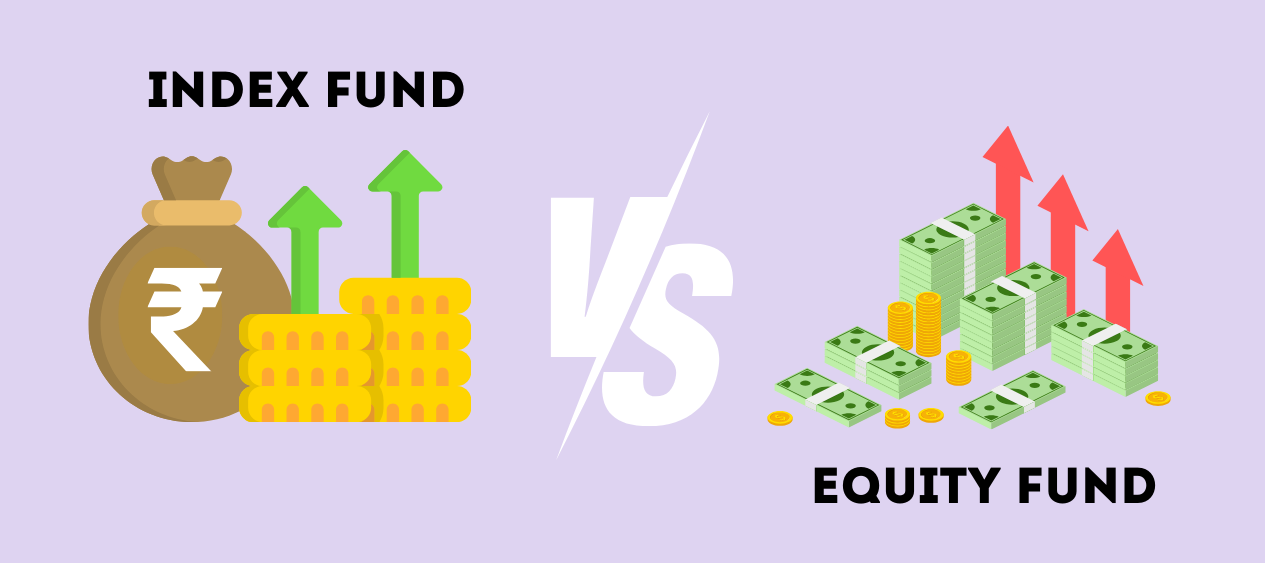
Navigating the Indian stock market can be a complex journey, with Nifty 50 index funds and direct stock investments presenting two distinct paths. This article delves into the pros and cons of each, helping Indian investors make informed decisions based on their financial goals and risk appetite.
Reading this article: 0s
News in 60 words
~150-word AI digest in one read
Thesis, bullets, quote & takeaway — slogan stays "60 words"
(3mo)8 min read 7 0 0
Creator on ContentVerse. Building, writing, and shipping in public.
Full story
Introduction: Charting Your Investment Course in India
The Indian stock market has witnessed phenomenal growth and participation over the past few decades, drawing in millions of investors keen on wealth creation. For many, the journey begins with a fundamental question: Should I invest in a Nifty 50 Index Fund or pick individual stocks directly? This isn't just a theoretical debate; it's a practical decision that can significantly impact your financial future, especially in a dynamic economy like India's.
Both avenues offer unique opportunities and challenges. Nifty 50 index funds promise a diversified, low-cost approach to mirroring the broader market's performance, while direct stock investing offers the thrill of potentially outperforming the market through careful selection. But which path is right for you, an Indian investor navigating the nuances of our market? This article will break down each option, explore their benefits and drawbacks, and provide insights to help you make a choice that aligns with your financial goals, risk tolerance, and time commitment. Let's embark on this journey to understand the best fit for your investment portfolio.
Understanding the Nifty 50 Index Fund
To grasp what a Nifty 50 index fund entails, we first need to understand its core component: the Nifty 50 index.
What is the Nifty 50?
The Nifty 50 is a benchmark index representing the 50 largest and most liquid Indian companies listed on the National Stock Exchange (NSE). It's a barometer of the Indian economy, covering diverse sectors like finance, IT, energy, and consumer goods. When you hear that 'the market is up' or 'down,' it often refers to the movement of indices like the Nifty 50. It's constructed to be a broad representation of the Indian equity market and is rebalanced periodically to ensure it continues to reflect the top companies.
What is an Index Fund?
An index fund is a type of mutual fund or Exchange Traded Fund (ETF) that aims to replicate the performance of a specific market index, in this case, the Nifty 50. Instead of having a fund manager actively pick stocks, an index fund simply buys the same stocks in the same proportions as the Nifty 50 index. The goal is not to 'beat' the market, but to 'match' its performance, minus a small expense ratio.
Benefits of Investing in Nifty 50 Index Funds
- Diversification: By investing in a Nifty 50 index fund, you automatically gain exposure to 50 of India's top companies across various sectors. This inherent diversification significantly reduces company-specific risk. If one company performs poorly, its impact on your overall portfolio is cushioned by the performance of the other 49 companies.
- Low Cost (Expense Ratio): Index funds are passively managed, meaning they don't require extensive research teams or frequent trading decisions. This translates into lower operating costs, which are passed on to investors in the form of a lower Total Expense Ratio (TER). In India, Nifty 50 index funds often have TERs ranging from 0.1% to 0.5% annually, significantly lower than actively managed mutual funds which can charge 1-2% or more.
- Simplicity and Convenience: Investing in a Nifty 50 index fund is straightforward. You don't need to spend hours researching individual companies, analyzing financial statements, or tracking daily news. It's a 'set it and forget it' approach, ideal for busy professionals or those new to investing.
- Market Returns: Over the long term, equity markets have historically delivered attractive returns. By investing in a Nifty 50 index fund, you essentially capture the growth of the broader Indian economy and its leading companies. While past performance is no guarantee of future results, the Nifty 50 has demonstrated robust growth over decades.
- Transparency: You always know what you own – the 50 companies comprising the Nifty index. There are no hidden strategies or sudden changes in portfolio composition, apart from the regular rebalancing of the index itself.
How to Invest in Nifty 50 Index Funds
Investing in a Nifty 50 index fund is relatively simple. You can do so through:
- Mutual Fund Platforms: Many Asset Management Companies (AMCs) offer Nifty 50 index funds. You can invest directly through their websites or via platforms like Groww, Kuvera, or Paytm Money.
- Discount Brokers: If you prefer the ETF route, you can buy Nifty 50 ETFs (e.g., NiftyBees) through your Demat and trading account with discount brokers like Zerodha, Upstox, or Angel One. This allows for real-time trading flexibility.
The Allure of Direct Stock Investing
Direct stock investing involves buying and selling shares of individual companies directly on the stock exchange. This path is often chosen by investors who believe they can identify undervalued companies or those with strong growth potential, thereby generating returns that surpass market averages.
What is Direct Stock Investing?
When you buy a share of a company like Reliance Industries or TCS, you become a part-owner of that business. Your investment's value then fluctuates based on the company's performance, industry trends, economic factors, and overall market sentiment. Unlike an index fund, where your money is spread across many companies, direct stock investing puts your capital into specific businesses you choose.
Potential for Higher Returns (Alpha)
The primary motivation for many direct stock investors is the potential to achieve 'alpha' – returns greater than what the market (like the Nifty 50) delivers. If you can successfully pick companies that grow faster than the average or are significantly undervalued, your portfolio's performance could theoretically outshine that of a passive index fund. India has seen numerous multi-bagger stocks over the years, where early investors have seen their capital multiply many times over.
Excitement, Control, and Learning
- Control: Direct investing gives you complete control over your portfolio. You decide which companies to invest in, when to buy, and when to sell. This autonomy appeals to many who prefer a hands-on approach.
- Engagement and Learning: For those passionate about business and finance, direct stock investing can be an incredibly engaging and educational experience. It encourages deep dives into company financials, industry analysis, and macroeconomic trends, fostering a richer understanding of the Indian economy.
- Tailored Portfolio: You can construct a portfolio that perfectly aligns with your specific beliefs, values, or thematic interests. For instance, if you strongly believe in the future of renewable energy in India, you can invest specifically in companies operating in that sector.
The Need for Due Diligence
Achieving higher returns through direct stock investing is not guaranteed and requires significant effort. It demands:
- Thorough Research: Understanding a company's business model, competitive landscape, management quality, financial health, and future prospects.
- Valuation Skills: Being able to assess whether a stock's current price accurately reflects its intrinsic value.
- Market Awareness: Keeping abreast of economic news, regulatory changes (e.g., SEBI guidelines), and industry developments.
- Patience and Discipline: Resisting the urge to panic sell during market downturns or chase 'hot tips' without proper research.
Key Differences and Considerations for Indian Investors
Making a choice between Nifty 50 index funds and direct stocks boils down to several critical factors that every Indian investor should consider.
1. Risk Profile
- Nifty 50 Index Funds: Primarily exposed to market risk (systematic risk). This means if the overall Indian market goes down, your index fund will also go down. However, it significantly mitigates company-specific risk (unsystematic risk) because the failure of one or two companies in the index won't cripple your entire portfolio.
- Direct Stocks: Exposed to both market risk and substantial company-specific risk. A single bad decision or unforeseen event affecting a company you've invested in can lead to significant capital loss. While the potential for higher returns exists, so does the risk of substantial losses if your stock picks underperform or fail.
2. Time Commitment and Effort
- Nifty 50 Index Funds: Require minimal time and effort. Once you've chosen a fund and set up a Systematic Investment Plan (SIP), it's largely automated. Ideal for those who have demanding jobs or prefer to focus on other aspects of their lives.
- Direct Stocks: Demands a considerable amount of time for continuous research, monitoring, and decision-making. You need to stay updated with quarterly results, news, industry trends, and potentially even global economic shifts affecting your chosen companies. This is an active form of investing.
3. Cost Implications
- Nifty 50 Index Funds: Characterized by low expense ratios (TERs), typically below 0.5% annually. This seemingly small percentage can make a big difference over decades due to compounding.
- Direct Stocks: Involve brokerage charges for buying and selling (which have become very competitive with discount brokers, often ₹0 to ₹20 per trade), Demat account annual maintenance charges, and Securities Transaction Tax (STT). While individual transaction costs might seem small, frequent trading can erode returns. The biggest 'cost' can be opportunity cost or losses from poor stock selection.
4. Diversification
- Nifty 50 Index Funds: Offer instant, broad diversification across 50 leading Indian companies and various sectors, inherently reducing risk.
- Direct Stocks: Achieving adequate diversification requires careful planning and a substantial capital outlay to invest in a sufficient number of companies across different sectors. A small portfolio of 3-5 stocks, while potentially high-returning, carries very high concentration risk.
5. Knowledge Required
- Nifty 50 Index Funds: Requires a basic understanding of how index funds work and the long-term potential of equity markets. No in-depth company analysis is needed.
- Direct Stocks: Demands a strong grasp of fundamental analysis (reading balance sheets, profit & loss statements, cash flow statements), technical analysis (chart patterns), industry dynamics, and macroeconomic factors. A solid understanding of corporate governance and competitive advantages is also crucial.
6. Emotional Aspect
- Nifty 50 Index Funds: Tend to be less emotionally taxing. Since you're invested in the broad market, individual company news or minor fluctuations are less likely to induce panic or euphoria. The focus remains on long-term market trends.
- Direct Stocks: Can be an emotional rollercoaster. The sharp rise or fall of an individual stock can lead to impulsive decisions (buying high, selling low) driven by fear or greed, often detrimental to long-term wealth creation. Maintaining discipline is paramount.
Who Should Pick What? Tailoring to Your Financial Goals
The
Was this helpful?
Your feedback helps us improve content for everyone.
Liked this piece?
Tip Dhananjay for the work
100% goes to the creator. Send a one-time tip in rupees and back the writing you love.
Dhananjay Singh
3 followers · 84 blogs
Published 17 Jun 2026 · Updated 5 Sept 2026
Creator on ContentVerse. Building, writing, and shipping in public.
Reviewed by the ContentVerse India editorial team. Educational pages are not personalised advice.
View full profile3 followers
Discussion