
Rohit Sharma May Retire from International Cricket After Lord's ODI
Whispers about a cricketing legend's future are always intense. What if Rohit Sharma, India's dynamic captain, were to consider retirement after a pivotal match like an ODI at Lord's? We delve into the hypothetical scenario, exploring the immense pressure, the weight of a stellar career, and the potential impact on Indian cricket.
Reading this article: 0s
News in 60 words
~150-word AI digest in one read
Thesis, bullets, quote & takeaway — slogan stays "60 words"
(1mo)7 min read 1 0 0
Creator on ContentVerse. Building, writing, and shipping in public.
Full story
The Whispers of Change: A Look at a Cricketing Legend's Crossroads
In the high-octane world of international cricket, where careers are forged in fire and legacies etched in history, the topic of retirement for a star player is always fraught with emotion and speculation. Every boundary, every wicket, every captaincy decision is scrutinized, and as players enter the twilight of their careers, the whispers grow louder. When the name is Rohit Sharma, a pillar of Indian cricket for over a decade, those whispers become a roaring discussion. The notion of him potentially contemplating retirement, perhaps after a significant fixture like an ODI at Lord's, opens up a fascinating, albeit hypothetical, conversation about legacy, leadership, and the inevitable cycle of the sport.
This isn't about predicting the future; it's about exploring the complex tapestry of factors that influence such monumental decisions for athletes at the pinnacle of their game. It's about understanding the weight of a career, the allure of a symbolic farewell, and the profound impact such a transition would have on a nation obsessed with its cricketing heroes.
The Weight of the Bat: Pressure, Performance, and Longevity
Rohit Sharma's journey in international cricket has been nothing short of remarkable. From a prodigious talent struggling for consistency to establishing himself as one of the greatest white-ball openers of all time and eventually ascending to the captaincy across all formats, his career arc is a testament to resilience and adaptation. However, with great success comes immense pressure. The demands of modern cricket are relentless: constant travel, rigorous training, back-to-back series, and the ever-present glare of public expectation.
For a player nearing his mid-thirties, these demands multiply. Fitness becomes a paramount concern, recovery times lengthen, and the mental toll of leadership can be exhausting. Every dip in form, every minor injury, fuels speculation about a player's longevity. While Rohit has shown flashes of his vintage brilliance, the sheer volume of cricket played, especially as an all-format captain, inevitably raises questions about how much longer a player can sustain peak performance.
Consider the physical strain of batting for long periods, leading the side in the field, and then managing media duties – it's a 24/7 commitment. Many legends have spoken about the moment their body or mind tells them it's time. This isn't a reflection of diminishing skill, but rather a natural progression where the desire to compete at the absolute highest level clashes with the body's natural limits and the mind's need for respite. For a player who has given so much, the decision to step away is rarely easy, but often a deeply personal and necessary one.
A Career Forged in Fire: The Legacy of the 'Hitman'
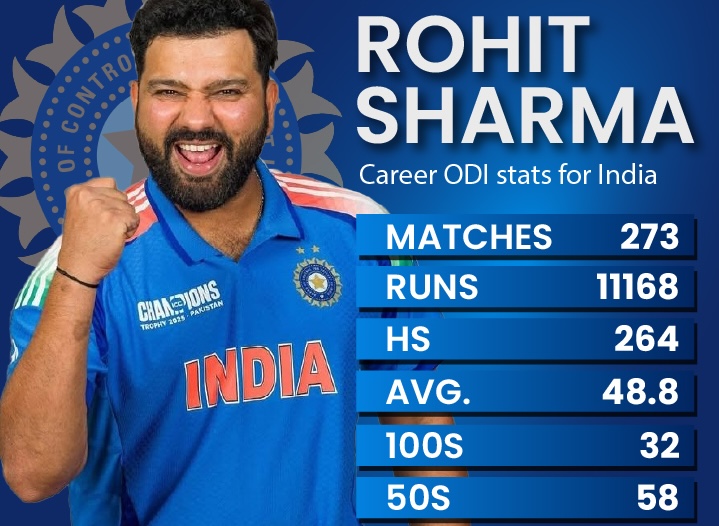
Before delving into the hypothetical future, it's crucial to acknowledge the monumental legacy Rohit Sharma has already built. His record in One Day Internationals, in particular, is staggering. Three double centuries – a feat unmatched by any other cricketer – multiple centuries in World Cups, and an ability to effortlessly shift gears from watchful accumulator to brutal aggressor have defined an era of white-ball batting. He's not just a run-scorer; he's an entertainer, a game-changer, and a tactical genius in his prime.
As captain, he's led India to significant victories, including an Asia Cup title, and has fostered a cohesive team environment. His calm demeanor under pressure, his astute field placements, and his ability to back his players have earned him respect from teammates and opponents alike. His leadership style is often compared to some of the greats, emphasizing a blend of strategic thinking and empathetic man-management.
This rich tapestry of achievements means that any discussion of his potential retirement isn't just about a player leaving the game; it's about a significant chapter closing in Indian cricket history. His departure would leave a void not only in terms of runs and leadership but also in the dressing room, where his experience and presence are invaluable. The 'Hitman' has left an indelible mark, and that legacy will endure regardless of when he decides to hang up his international boots.
Lord's: A Stage for Farewell?
Why might a specific venue like Lord's, the 'Home of Cricket,' be romantically linked with such a momentous decision? For many cricketers, Lord's holds a special mystique. It's a ground steeped in history, where legends have etched their names into the Honours Boards and iconic moments have unfolded. A final appearance, or even a final series, at such a revered venue could offer a poetic symmetry to a storied career.
Imagine the scene: a packed Lord's, the iconic pavilion, the roar of the crowd. For a player like Rohit, who has graced stadiums worldwide, a farewell on such a grand and traditional stage could be incredibly appealing. It's not just about the match itself, but the symbolism it carries. A final flourish, a memorable performance, or even just the act of walking off the hallowed turf for the last time, could provide a fitting emotional conclusion to an international journey.
However, it's vital to remember that these are often romanticized notions. The reality of an athlete's retirement decision is usually far more pragmatic, involving family considerations, future plans, physical health, and discussions with coaches and selectors. While the allure of a grand stage is undeniable, the ultimate choice rests on a multitude of personal and professional factors that extend beyond the boundary ropes.
The Succession Plan: Who Fills the Void?
Should Rohit Sharma, or any player of his stature, decide to retire, the immediate question for Indian cricket would be: who steps up? For a team that prides itself on its depth, this is both a challenge and an opportunity. In the opening slot, India has been grooming several talented batsmen, from Shubman Gill to Yashasvi Jaiswal, who have shown glimpses of their potential at the international level. The transition would accelerate their development, thrusting them into greater responsibility.
In terms of captaincy, the picture is equally intriguing. Hardik Pandya has emerged as a strong contender, having successfully led Gujarat Titans in the IPL and captained India in T20Is. KL Rahul, Rishabh Pant (once fully fit), and Shreyas Iyer have also had stints as vice-captain or stand-in captain. The next leader would need to possess not only tactical acumen but also the ability to inspire confidence, manage a diverse dressing room, and handle the immense pressure of leading a cricket-crazy nation.
This transition period, while potentially unsettling, is also a crucible for new talent and leadership to emerge. It forces the team management to think long-term, invest in young players, and adapt strategies. The legacy of players like Rohit is not just in their individual performances but also in the foundation they leave behind for the next generation to build upon.
Beyond the Boundary: Life After Cricket
For many athletes, the decision to retire is not just about ending a playing career but about beginning a new chapter. Life after international cricket can be a significant adjustment. The structured routine, the camaraderie of the dressing room, the roar of the crowd – all disappear, replaced by a different pace of life. Many cricketers transition into commentary, coaching, administration, or business ventures.
Rohit Sharma, with his sharp cricketing brain and immense experience, would undoubtedly have numerous avenues open to him. His insights as a commentator could be invaluable, and his leadership qualities could translate into a coaching or mentoring role, helping to shape future talent. The transition is rarely seamless, but for players who have dedicated their lives to the sport, finding a new purpose within or outside cricket is often a crucial part of their post-playing journey.
His immense fan following and brand appeal would also ensure he remains a prominent figure. The respect he commands in the cricketing world would open doors to various opportunities, allowing him to continue contributing to the sport he loves, albeit in a different capacity.
The Unwritten Chapter: A Personal Decision
Ultimately, the decision to retire from international cricket is a deeply personal one. It's a choice made after countless hours of reflection, discussions with family, coaches, and close confidantes. It's about weighing the desire to continue against the physical and mental toll, the demands of the game, and the future needs of the team. While fans and pundits may speculate, only the player truly knows when the time is right.
Rohit Sharma's career has been an extraordinary saga of talent, perseverance, and leadership. Whether he chooses to continue leading India for several more years or decides that a particular match, like an ODI at Lord's, marks a fitting end to a chapter, his place among the pantheon of cricketing greats is secure. The hypothetical discussion around his retirement serves as a powerful reminder of the ephemeral nature of sporting careers and the profound impact these athletes have on our lives. Whatever his decision, the 'Hitman' will forever be celebrated for his unparalleled contributions to the game.
Was this helpful?
Your feedback helps us improve content for everyone.
Liked this piece?
Tip Dhananjay for the work
100% goes to the creator. Send a one-time tip in rupees and back the writing you love.
Dhananjay Singh
2 followers · 83 blogs
Published 19 Jul 2026 · Updated 19 Jul 2026
Creator on ContentVerse. Building, writing, and shipping in public.
Reviewed by the ContentVerse India editorial team. Educational pages are not personalised advice.
View full profile2 followers
Discussion