
Delhi Mobile Internet Blocked: Understanding the Impact & Your Rights
Mobile internet shutdowns in Delhi disrupt daily life, affecting communication, work, and essential services. This article explores the immediate and long-term consequences, along with your digital rights as a citizen.
Reading this article: 0s
News in 60 words
~150-word AI digest in one read
Thesis, bullets, quote & takeaway — slogan stays "60 words"
6d ·7 min read· 1 · 0 · 0
Full story
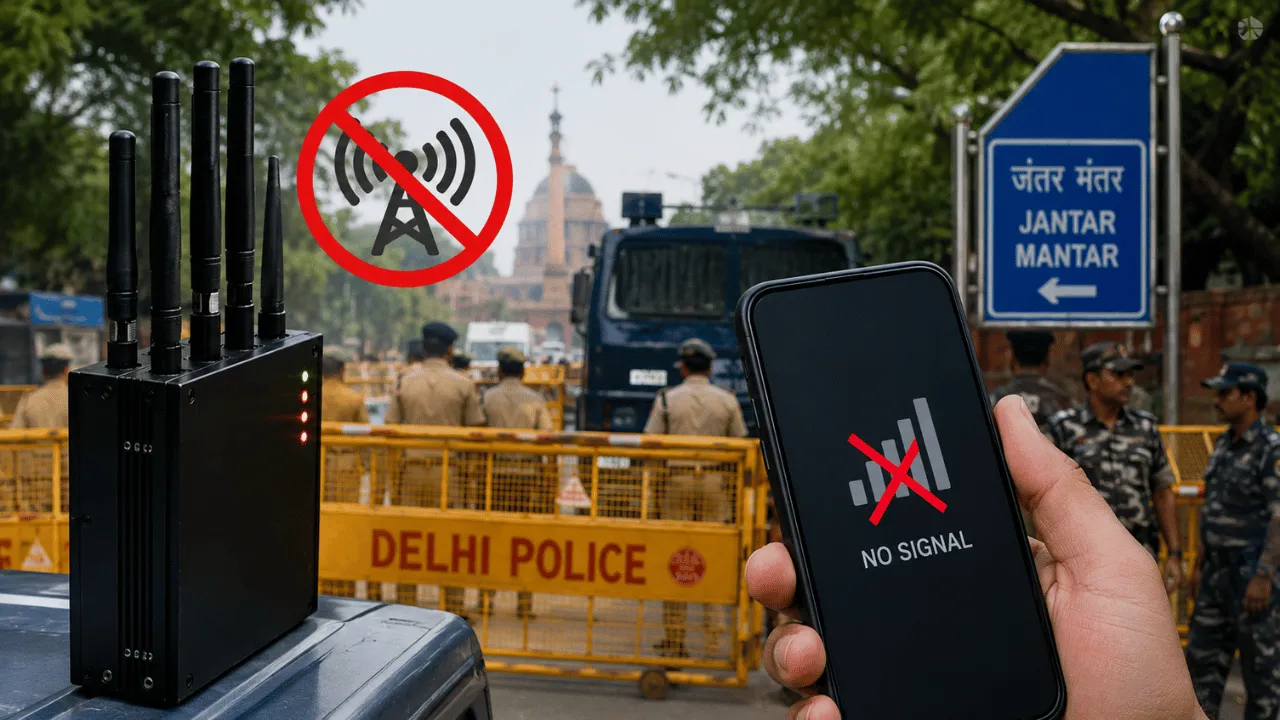
The sudden blocking of mobile internet services in parts of Delhi has become an increasingly frequent occurrence, significantly impacting the lives of its residents. While often cited for reasons of public safety or maintaining law and order, these shutdowns cut off a vital lifeline for millions, raising crucial questions about digital rights and connectivity in a modern, digitally-driven India.
For Delhiites, a city that thrives on connectivity – from navigating its bustling streets with ride-sharing apps to conducting business on the go – an internet blackout is more than an inconvenience; it's a disruption to their fundamental ability to function. Understanding the mechanisms behind these blocks, their widespread repercussions, and the legal framework surrounding them is essential for every citizen.
The Why and How of Internet Shutdowns in India
Internet shutdowns in India are primarily governed by the Temporary Suspension of Telecom Services (Public Emergency or Public Safety) Rules, 2017. These rules empower the Union Home Secretary or a State Home Secretary to issue orders for temporary suspension of telecom services, including mobile internet, in specific areas for reasons of "public emergency" or "public safety."
In Delhi, such orders are typically issued by the Delhi Home Secretary, often in anticipation or response to public gatherings, protests, or periods of heightened security concerns. The rationale is to prevent the spread of misinformation, coordinate unlawful activities, or maintain peace. However, critics argue that these broad powers are often exercised without sufficient public scrutiny or proportionality.
Legal Framework and Judicial Scrutiny
While the rules provide a legal basis, the Supreme Court of India, in the landmark Anuradha Bhasin vs. Union of India case (2020), affirmed that access to the internet is a fundamental right under Article 19(1)(a) of the Constitution, i.e., the right to freedom of speech and expression. The court stated that any restriction on this right must be temporary, necessary, and proportionate.
This ruling mandates that shutdown orders must be publicly disclosed (with exceptions for national security) and subject to judicial review. Despite this, the implementation and transparency of these orders remain a contentious issue, with citizens often left unaware of the duration or specific reasons for a blackout.
Immediate Impact on Daily Life in Delhi
The effects of a mobile internet block cascade rapidly through the daily routines of Delhi residents. The most immediate impact is on communication, rendering messaging apps, social media, and even basic voice-over-IP (VoIP) calls unusable.
Disruption to Essential Services
- Digital Payments: India's economy is heavily reliant on UPI-based payments via apps like PhonePe, Google Pay, and Paytm. A shutdown brings transactions to a halt, affecting street vendors, small shops, and even larger establishments that rely on cashless payments. Imagine trying to buy groceries or pay for an auto-rickshaw ride without UPI in Connaught Place.
- Transportation: Ride-hailing services like Ola and Uber, essential for commuting in Delhi, become inaccessible. Public transport apps, real-time traffic updates, and navigation tools also cease to function, leaving commuters stranded or misdirected.
- Work and Education: With the rise of remote work and online education, an internet block cripples productivity. Students cannot attend online classes, submit assignments, or access study materials. Professionals struggle to connect with colleagues, attend virtual meetings, or access cloud-based resources.
- Emergency Services: While traditional phone calls might still work, the ability to quickly share location, photos, or access emergency apps can be severely hampered, potentially risking lives in critical situations.
Economic and Social Repercussions
The economic fallout from internet shutdowns can be substantial, especially for a metropolitan hub like Delhi. Small and medium-sized enterprises (SMEs) and the burgeoning gig economy are particularly vulnerable.
Blow to Local Businesses and Gig Workers
Daily wage earners, delivery executives, and drivers who depend on online platforms for their livelihood face immediate income loss. A few hours of downtime can translate into hundreds or even thousands of rupees in lost earnings for these individuals. Local businesses that rely on online orders, digital marketing, or cloud-based inventory management also suffer significant setbacks.
Furthermore, the social fabric is affected. The internet is a primary source of information, news, and civic engagement. A shutdown can create an information vacuum, leading to anxiety, rumors, and a sense of isolation among citizens. It also curtails the right to peaceful assembly and expression, as information sharing is restricted.
Your Digital Rights and Recourse
As established by the Supreme Court, the right to internet access is a fundamental right. While the government retains the power to impose reasonable restrictions, these must adhere to strict principles of legality, necessity, and proportionality. Citizens have certain avenues, albeit limited during an active shutdown, to assert their rights.
- Public Disclosure: Shutdown orders should ideally be made public, detailing the reasons and duration. Citizens have the right to demand this transparency.
- Judicial Review: If an order appears arbitrary or disproportionate, it can be challenged in a High Court or the Supreme Court. However, this is often a reactive measure and not practical for immediate relief during a short-term shutdown.
- Advocacy and Awareness: Engaging with civil society organizations and digital rights groups can help amplify concerns and advocate for more transparent and accountable policies regarding internet shutdowns. Raising awareness through traditional media or offline networks is also crucial.
Navigating a Shutdown: Practical Tips for Delhiites
While internet shutdowns are unpredictable, a few practical steps can help mitigate their impact:
- Download Offline Maps: Apps like Google Maps allow you to download maps for entire cities like Delhi. Do this proactively to navigate without internet.
- Keep Cash Handy: Relying solely on digital payments is risky. Always carry some physical cash (₹500-₹1000) for emergencies and daily expenses.
- Inform Loved Ones: Before major events or if you anticipate a shutdown, inform family and friends about potential communication disruptions and alternative contact methods.
- Offline Entertainment/Information: Download movies, books, or podcasts. For news, consider traditional radio or physical newspapers if available.
- Use SMS/Voice Calls: If mobile internet is blocked, often basic voice calls and SMS services remain functional. These can be crucial for urgent communication.
- Public Wi-Fi (if available): In some areas, public Wi-Fi hotspots (if not also affected) might offer limited connectivity, though security precautions should be taken.
FAQs on Internet Blocks in Delhi
Q1: Why are mobile internet services blocked instead of just data? Aren't voice calls enough?
Mobile internet blocks are comprehensive, targeting data services entirely. While voice calls and SMS usually remain active, the rationale behind blocking data is to prevent real-time information sharing, live streaming, and coordination via messaging apps, which are perceived as more potent tools for mobilizing large gatherings or spreading content quickly than traditional calls.
Q2: How long do these internet shutdowns typically last in Delhi?
The duration can vary significantly. They can range from a few hours to several days, depending on the perceived threat or duration of the event they are intended to address. Orders are usually issued for a specific period and can be extended if the situation warrants.
Q3: Can I get a refund or compensation from my telecom provider for lost services during a shutdown?
Telecom providers generally do not offer refunds or compensation for services lost due to government-mandated internet shutdowns. Their terms of service typically include clauses exempting them from liability for service disruptions caused by force majeure or government directives. While consumers lose out, there's currently no legal provision for compensation in such scenarios.
Conclusion
Mobile internet shutdowns in Delhi are a stark reminder of the delicate balance between public safety and fundamental digital rights. While the government cites security concerns, the profound impact on daily life, economic activity, and access to information cannot be understated. As a digitally-empowered nation, India must strive for greater transparency, proportionality, and accountability in the deployment of such measures. For citizens, understanding their rights and equipping themselves with practical coping strategies is paramount in navigating an increasingly connected, yet occasionally disconnected, landscape.
Support creators
If you found this article insightful, consider supporting our writers on ContentVerse. Your contribution helps us bring more expert-level content to you.
Was this helpful?
Your feedback helps us improve content for everyone.
Liked this piece?
Tip Dhananjay for the work
100% goes to the creator. Send a one-time tip in rupees and back the writing you love.
Dhananjay Chauhan
0 followers · 0 blogs
Creator on ContentVerse. Building, writing, and shipping in public.
0 followers

Discussion