
India's Exam Task Force: Meet the Tech Wizards & Space Scientists
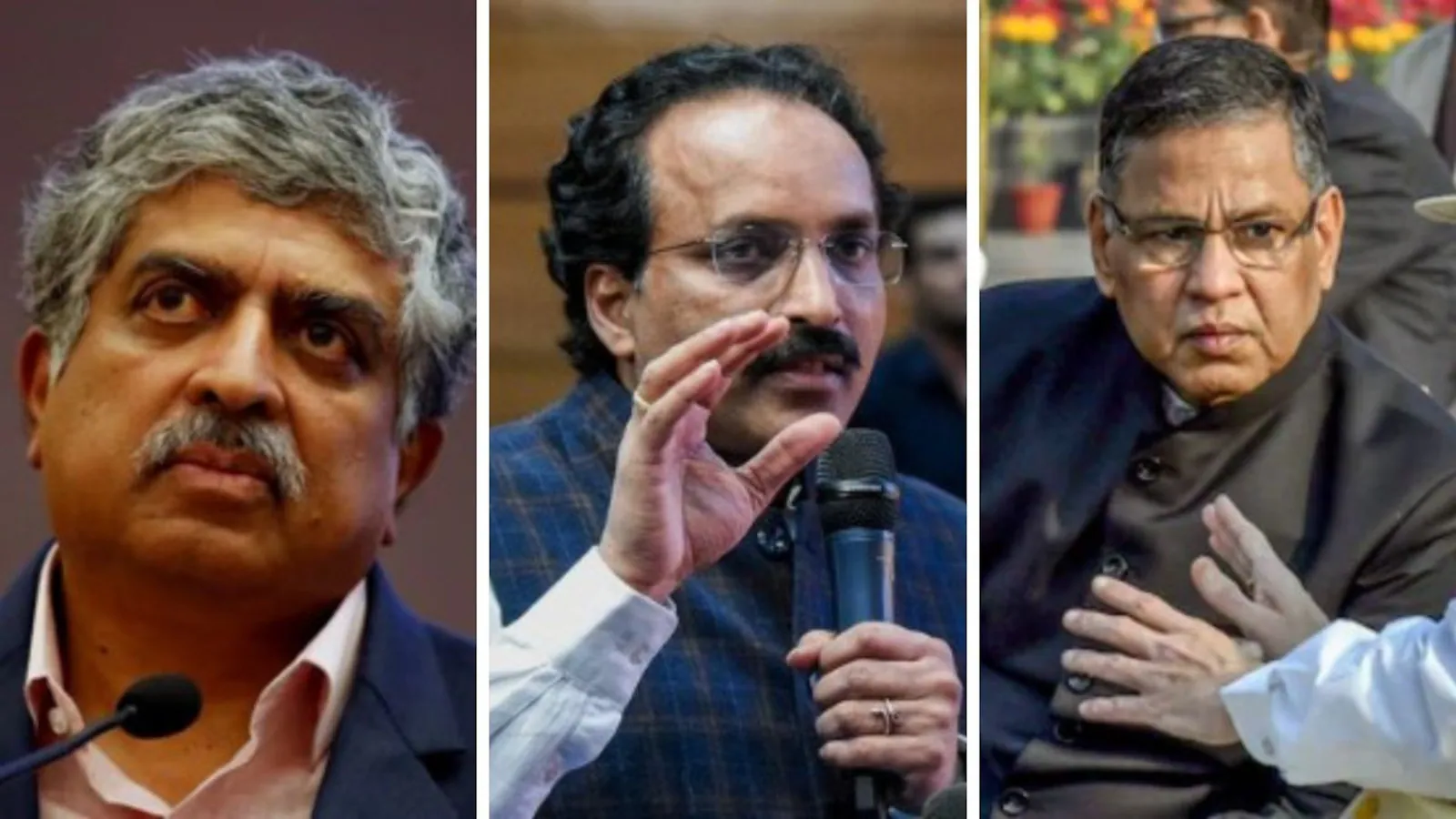
India's recent exam integrity crisis has led to the formation of a high-level task force, featuring an unprecedented inclusion of top tech experts and space scientists. This strategic move aims to leverage cutting-edge technology and unparalleled systems expertise to restore faith in the nation's critical examination processes.
Reading this article: 0s
News in 60 words
~150-word AI digest in one read
Thesis, bullets, quote & takeaway — slogan stays "60 words"
2d ·7 min read· 0 · 0 · 0
Full story
The recent controversies surrounding national examinations like NEET and UGC-NET have sent shockwaves across India. The integrity of our education system, a cornerstone of national progress, has been called into question, leaving millions of students and their families grappling with uncertainty and disillusionment. In response to this critical national issue, the government has constituted a high-level task force, signaling a determined effort to overhaul the examination ecosystem.
What makes this task force particularly noteworthy is the strategic inclusion of eminent 'Tech Wizards' and 'Space Scientists'. This isn't merely a political gesture; it's a clear indication that India is ready to deploy its best minds and most advanced technological capabilities to secure the future of its youth. This article delves into who these experts are, the unique perspectives they bring, and how their involvement promises a paradigm shift in ensuring exam integrity.
The Crisis and the Call for Innovation
The scale and sophistication of recent exam malpractices have exposed fundamental vulnerabilities in existing systems. From paper leaks circulating on messaging apps to sophisticated impersonation rackets, the challenges are multifaceted. Traditional administrative and security measures, while important, have proven insufficient against determined and technologically savvy perpetrators.
This crisis has necessitated a radical rethinking. The problem is no longer just about policing; it's about engineering robust, tamper-proof systems from the ground up. India, with its burgeoning tech talent and a reputation for frugal innovation, is uniquely positioned to address this. The call for innovation is not just a wish, but a national imperative to safeguard the aspirations of countless students who dedicate years to preparing for these high-stakes examinations.
Decoding the 'Tech Wizards' on the Panel
The 'Tech Wizards' on the task force are likely luminaries from fields critical to digital security and data management. Their expertise is indispensable in building a resilient examination framework.
Cybersecurity Experts
These professionals are crucial for fortifying the digital infrastructure that underpins modern examinations. They specialize in identifying vulnerabilities, implementing robust encryption, and defending against cyberattacks. Their role would involve securing question paper distribution networks, protecting student data, and ensuring the integrity of online examination platforms from external threats. Think of specialists who design secure payment gateways for apps like PhonePe or Google Pay, or those who protect sensitive banking data in major Indian banks.
Artificial Intelligence (AI) and Machine Learning (ML) Specialists
AI and ML offer powerful tools for anomaly detection and predictive analysis. These experts can design systems to:
- Detect unusual patterns: Identifying suspicious activity during online exams, such as eye movements, unusual typing speeds, or unauthorized communication.
- Analyze historical data: Pinpointing potential weak points in past exam conduct, predicting fraud hotspots, and flagging high-risk examination centers.
- Automated proctoring: For remote exams, AI can monitor candidates, ensuring fair play without human bias, a technology already being explored by many ed-tech platforms in cities like Bengaluru and Hyderabad.
Data Scientists and Blockchain Architects
Experts in data science can help process the vast amounts of information generated during exams, from registration to result declaration, to identify discrepancies. Blockchain technology, known for its immutable and transparent ledger system, could revolutionize record-keeping. Imagine question papers, answer sheets, and results being stored on a distributed ledger, making them virtually impossible to tamper with post-submission. This would bring a level of trust similar to how land records are being digitised or supply chains are tracked for authenticity.
The 'Space Scientists' – A Unique Perspective
The inclusion of 'Space Scientists' might seem unconventional at first glance, but it brings an invaluable dimension to the task force. These individuals, often from institutions like ISRO, are synonymous with precision, reliability, and the successful execution of incredibly complex, high-stakes missions.
Systems Engineering and Reliability
Space missions demand systems engineered for zero-error tolerance. A minor glitch can lead to mission failure. This mindset is exactly what's needed for national exams. Space scientists bring expertise in:
- Designing robust systems: Creating end-to-end solutions for exam conduct, from secure question paper generation to result processing, with built-in redundancies and fail-safes.
- Risk management: Identifying potential points of failure and developing mitigation strategies, drawing from decades of experience in managing multi-billion rupee projects where every component must perform flawlessly.
- Quality assurance: Implementing rigorous testing protocols to ensure every aspect of the examination process is secure and reliable.
Secure Logistics and Communication
Satellite communication and GPS technologies are critical for space exploration. This expertise can be repurposed for securing exam logistics, especially in a geographically diverse country like India.
- Secure paper distribution: Utilizing satellite-based tracking for physical question papers, ensuring their safe and timely arrival at exam centers, particularly in remote areas that might be difficult to access.
- Real-time monitoring: Employing satellite imagery or advanced GPS systems for surveillance of exam centers, ensuring no unauthorized access or activity. This is akin to how critical assets are tracked across the country.
The ethos of ISRO – meticulous planning, flawless execution, and an unwavering commitment to mission success – provides a powerful template for reforming India's examination system.
Proposed Technological Interventions and Challenges
The task force is expected to recommend a suite of technological interventions, aiming for a multi-layered security approach:
- Biometric Authentication: Implementing Aadhaar-linked biometric verification (fingerprint/iris scan) for candidates at every stage – registration, admit card generation, and entry to the exam hall. This would virtually eliminate impersonation.
- Secure Digital Question Paper Delivery: Moving away from physical papers where possible, using highly encrypted digital delivery systems that unlock only at the exact exam start time, visible on secure terminals.
- AI-Powered Remote Proctoring: For online exams, using AI to monitor candidate behavior, flagging suspicious activities like unusual gaze patterns, presence of other individuals, or use of unauthorized devices.
- Blockchain for Certificates and Results: Storing exam results and certificates on a blockchain, making them tamper-proof and easily verifiable, a concept already being explored by several state governments for academic records.
- Dedicated Command & Control Centers: Establishing national or regional control centers, equipped with real-time monitoring tools, to oversee the exam process across all centers simultaneously, much like a mission control room.
However, implementing these solutions comes with challenges. Scalability for exams involving millions of candidates, the digital divide in rural areas, ensuring data privacy, and the significant cost of infrastructure upgrades will need careful consideration. Public acceptance and training for invigilators and administrators will also be crucial.
Frequently Asked Questions (FAQs)
Q1: What is the primary mandate of this new task force?
The task force's primary mandate is to conduct a comprehensive review of the existing examination processes, identify vulnerabilities, and recommend robust technological and procedural reforms. Their goal is to suggest a framework that ensures transparency, fairness, and tamper-proof integrity for all national examinations, restoring public trust.
Q2: How soon can we expect to see these technological changes implemented?
Implementing complex, nationwide technological solutions takes time. While the task force is expected to submit its recommendations swiftly, the rollout of major infrastructure changes like biometric systems or blockchain integration might occur in phases, potentially impacting exams from the next academic cycle onwards. Pilot projects in specific regions could precede a national rollout.
Q3: Will these advanced technologies make exams fairer for all students, including those from rural or less privileged backgrounds?
The aim of these technologies is to create a more secure and equitable examination environment by eliminating fraud. However, the task force will also need to address the digital divide to ensure that technology doesn't inadvertently disadvantage students from rural or less privileged backgrounds who may lack access to necessary infrastructure or digital literacy. Solutions must be inclusive and accessible.
Restoring Trust, Building the Future
The inclusion of India's brightest 'Tech Wizards' and 'Space Scientists' on the exam task force is a powerful statement. It signifies a national commitment to leveraging cutting-edge expertise to solve a critical societal problem. By integrating advanced cybersecurity, AI, data analytics, and the meticulous systems engineering principles honed in our space program, India aims to build an examination system that is not only secure but also a beacon of fairness and transparency.
This initiative is more than just about preventing leaks; it's about rebuilding trust, ensuring that every student's hard work is genuinely rewarded, and safeguarding the future of India's intellectual capital. The path ahead is challenging, but with such formidable minds at the helm, there is a strong sense of optimism that India will forge a new era of integrity in its education system.
Support creators
Was this helpful?
Your feedback helps us improve content for everyone.
Liked this piece?
Tip Dhananjay for the work
100% goes to the creator. Send a one-time tip in rupees and back the writing you love.
Dhananjay Chauhan
0 followers · 0 blogs
Creator on ContentVerse. Building, writing, and shipping in public.
0 followers


Discussion