
Leveraging Open-Source AI Tools for DevOps Automation in India
India's digital transformation demands robust and efficient software delivery, making DevOps automation critical for enterprises nationwide. Open-source AI tools are emerging as a cost-effective and powerful solution to enhance CI/CD, observability, and incident management in the Indian context.
Reading this article: 0s
News in 60 words
~150-word AI digest in one read
Thesis, bullets, quote & takeaway — slogan stays "60 words"
2d ·7 min read· 0 · 0 · 0
Full story
The pace of digital transformation in India is unprecedented, with startups flourishing in cities like Bengaluru, Hyderabad, and Gurugram, and established enterprises aggressively modernising their IT infrastructure. This rapid evolution places immense pressure on software development and operations teams to deliver high-quality applications faster and more reliably. DevOps, a methodology that integrates development and operations, has become critical, but its full potential is often hampered by manual toil and reactive problem-solving.
This is where the convergence of open-source innovation and Artificial Intelligence (AI) presents a game-changer for Indian enterprises. Open-source tools offer flexibility and cost-effectiveness, while AI brings intelligence, prediction, and automation capabilities that can transform traditional DevOps practices into a highly efficient, proactive system. For a nation focused on 'Digital India' and 'Make in India' initiatives, adopting these advanced, yet accessible, solutions is not just an advantage, but a necessity.
The Indian DevOps Landscape and AI's Strategic Role
Indian businesses, from fast-growing e-commerce platforms to established banking institutions, are increasingly adopting DevOps to shorten release cycles and improve software quality. However, many still grapple with complex pipeline management, manual error detection, and reactive incident responses. The sheer volume of data generated by modern applications – logs, metrics, traces – often overwhelms human operators, leading to bottlenecks and potential outages.
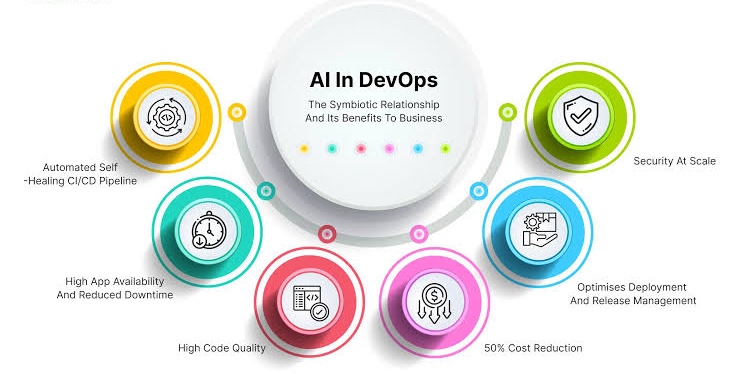
AI offers a strategic solution by automating repetitive tasks, identifying patterns in vast datasets, and even predicting failures before they occur. For Indian companies, where cost-efficiency and talent optimisation are paramount, leveraging open-source AI tools can significantly reduce operational expenditure, free up skilled engineers for more innovative work, and enhance overall system resilience. It moves DevOps from a reactive model to a predictive and prescriptive one, commonly known as AIOps.
Key Open-Source AI Tools for DevOps Automation
Integrating AI into DevOps doesn't always require expensive proprietary solutions. A robust ecosystem of open-source tools, when enhanced with AI capabilities, can deliver powerful automation. Here are a few critical areas and tools:
Intelligent CI/CD Pipelines
Continuous Integration/Continuous Delivery (CI/CD) is the backbone of modern DevOps. AI can make these pipelines smarter:
- Jenkins/GitLab CI/CD with AI plugins: While Jenkins and GitLab CI/CD are widely used, AI can augment them. Plugins can analyze historical build data to predict build failures, optimize test suite execution by selecting relevant tests based on code changes (e.g., using machine learning to identify flaky tests), or even suggest optimal resource allocation for builds.
- Automated Code Review: Tools like SonarQube, an open-source platform for continuous inspection of code quality, can be integrated with AI models to detect complex anti-patterns, security vulnerabilities, and performance issues that static analysis alone might miss. This is crucial for maintaining high code standards across large development teams in Indian IT firms.
Proactive Observability and Monitoring
Monitoring and logging are essential, but AI can transform them into predictive intelligence:
- Prometheus, Grafana, and ELK Stack (Elasticsearch, Logstash, Kibana) with AI: These open-source giants form the core of many observability stacks. AI models can be applied to the data collected by these tools to detect anomalies in real-time, correlate events across different systems to identify root causes faster, and even predict future performance degradation. For instance, an AI model might flag an unusual spike in database query times in a Mumbai-based e-commerce platform during off-peak hours, indicating a potential issue long before it impacts users.
- OpenTelemetry: As a vendor-agnostic standard for instrumentation, OpenTelemetry generates rich telemetry data (metrics, logs, traces). AI can process this unified data stream to provide a holistic view of system health and pinpoint issues with greater precision.
Intelligent Incident Management and Remediation
Reducing Mean Time To Resolution (MTTR) is a key DevOps metric. AI can significantly help:
- AI-powered Alerting and Routing: Open-source frameworks can be used to build AI models that learn from past incidents to intelligently route alerts to the most appropriate team members, reducing alert fatigue. These models can also prioritize alerts based on their predicted impact, ensuring critical issues affecting services like UPI transactions are addressed immediately.
- Automated Troubleshooting Suggestions: By analyzing logs and performance metrics around an incident, AI can suggest potential fixes or workarounds, drawing from a knowledge base of past resolutions. This can dramatically speed up the resolution process for common issues.
Practical Implementation Strategies for Indian Enterprises
Adopting open-source AI in DevOps doesn't have to be a massive overhaul. Here’s how Indian enterprises can approach it:
- Start Small with Pilot Projects: Identify a specific pain point, like slow CI/CD builds or frequent production incidents. Implement an open-source AI solution for that specific problem. For example, a mid-sized SaaS company in Pune could pilot an AI-driven test optimization tool for their main application.
- Leverage Existing Talent and Upskill: India has a vast pool of IT talent. Invest in training existing DevOps engineers and developers in AI/ML concepts relevant to their work. Online courses and community resources offer affordable learning paths.
- Prioritize Data Management: AI thrives on data. Ensure your logging, monitoring, and tracing infrastructure (like the ELK stack or Prometheus) is robust and collecting clean, relevant data. Data privacy regulations, such as the Digital Personal Data Protection Act (DPDP Act) 2023, must be strictly adhered to, especially when dealing with sensitive operational data.
- Engage with Open-Source Communities: Contribute to and draw from the vibrant open-source community. This provides access to expertise, new tools, and collaborative problem-solving, which is a significant advantage over proprietary solutions.
- Focus on Cost-Efficiency: Open-source tools eliminate licensing costs, which is a major draw for Indian enterprises. While there are operational costs for infrastructure and talent, the overall Total Cost of Ownership (TCO) is often significantly lower than commercial AIOps platforms, making it accessible even for SMEs.
Overcoming Challenges and Future Outlook
While the benefits are clear, challenges exist. The primary hurdles include the skill gap in AI/ML among traditional DevOps teams, the complexity of integrating diverse open-source tools, and ensuring data quality and governance. Addressing these requires a strategic investment in training, a phased implementation approach, and clear data policies.
The future of DevOps in India is undeniably intertwined with AI. As AI models become more sophisticated and open-source contributions grow, we can expect even more advanced capabilities: fully autonomous incident remediation, proactive security threat prediction, and highly optimized resource management for cloud infrastructure. Indian enterprises that embrace this convergence will be at the forefront of innovation, delivering resilient, high-performing applications that drive the nation's digital economy forward.
FAQ
What are the primary cost benefits of using open-source AI in DevOps for Indian companies?
The main cost benefits include eliminating hefty licensing fees associated with proprietary AI/AIOps platforms. While there are costs for infrastructure, talent, and integration, open-source solutions significantly reduce upfront investment, making advanced automation accessible to a wider range of Indian businesses, including SMEs with tighter budgets.
How can Indian SMEs with limited budgets start adopting AI in DevOps?
SMEs can start by identifying a single, high-impact pain point, such as automating repetitive tasks in their CI/CD pipeline or enhancing basic monitoring with AI-driven anomaly detection using existing open-source tools like Jenkins or Prometheus. Leveraging cloud-native open-source services or community-supported projects can further reduce initial costs. Upskilling existing teams through free online resources is also a cost-effective strategy.
Are there specific Indian regulations to consider when implementing AI-driven DevOps?
Yes, the Digital Personal Data Protection Act (DPDP Act) 2023 is a crucial regulation. When AI models process operational data, particularly if it contains any personal or sensitive information, compliance with data collection, storage, processing, and consent requirements under this act is mandatory. Indian companies must ensure their data pipelines and AI systems adhere to these privacy standards to avoid penalties.
Conclusion
The synergy between open-source innovation and AI is poised to redefine DevOps in India. By adopting these powerful, cost-effective tools, Indian enterprises can build more resilient, efficient, and intelligent software delivery pipelines. This transformation is not just about technology; it's about empowering teams, accelerating digital initiatives, and solidifying India's position as a global leader in technology and innovation.
Support creators
Was this helpful?
Your feedback helps us improve content for everyone.
Liked this piece?
Tip Dhananjay for the work
100% goes to the creator. Send a one-time tip in rupees and back the writing you love.
Dhananjay Chauhan
0 followers · 0 blogs
Creator on ContentVerse. Building, writing, and shipping in public.
0 followers

Discussion