
Why Budget Fast Fashion is Booming Across Small-Town India
Discover how value retail giants like Zudio and Reliance Trends are transforming consumer behavior and retail spaces in tier-2 and tier-3 Indian cities. Explore the economic and social shifts driving this explosive small-town fashion revolution.
Reading this article: 0s
News in 60 words
~150-word AI digest in one read
Thesis, bullets, quote & takeaway — slogan stays "60 words"
2h ·4 min read· 0 · 0 · 0
Full story
Introduction: The New Retail Skyline in Bharat
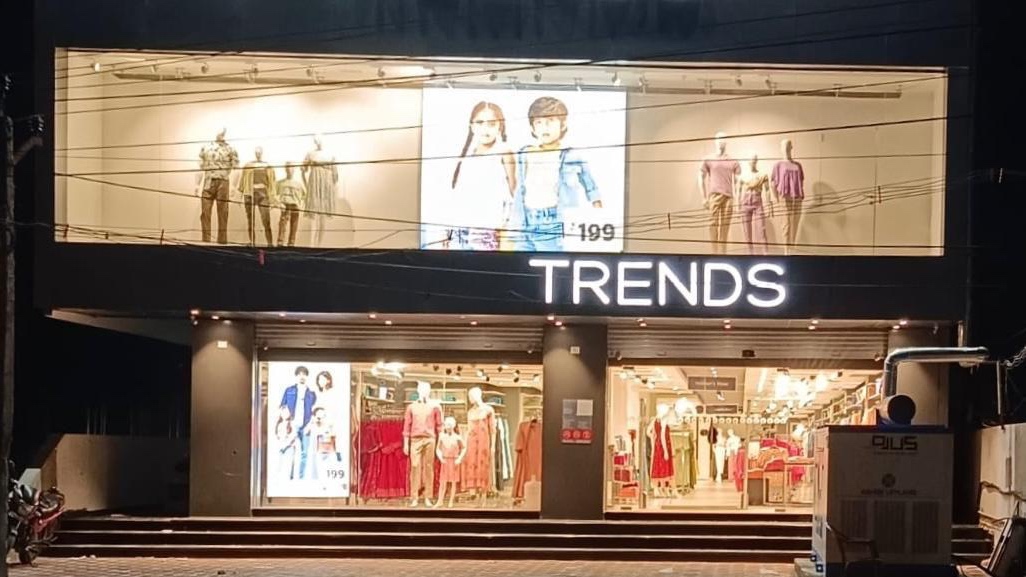
Take a walk down the bustling high street of tier-2 and tier-3 cities like Gorakhpur, Belagavi, or Madurai, and you will notice a striking change in the local skyline. Right next to traditional sweet marts and local textile shops, modern glass-fronted retail stores are drawing massive weekend crowds. Brands like Zudio, Reliance Trends, and Max are no longer exclusive to metropolitan malls; they are planting their flags firmly in India's heartland. This retail expansion is more than just a real estate trend—it signals a fundamental shift in how small-town consumers spend their hard-earned rupees.
For decades, fashionable clothing in smaller Indian towns was reserved for festive occasions or major trips to nearby state capitals. Everyday wear meant local unbranded garments or traditional tailoring. Today, the democratization of fashion has brought runway-inspired trends directly to the neighborhood high street at breakthrough price points. Understanding this boom requires looking closely at changing aspirations, digital exposure, and the modern Indian supply chain.
The Economics of Aspirational Value
The driving force behind the budget fashion boom is a powerful intersection of rising disposable incomes and aggressive value pricing. In cities with populations under a million, middle-class households are eager to upgrade their lifestyles without breaking the bank. Fast-fashion retailers cater directly to this mindset by offering complete outfits at price points starting as low as ₹299 for t-shirts and ₹799 for denim.
- Pocket-Friendly Pricing: Fixed, low-cost pricing models remove the hesitation of bargain hunting.
- Rapid Inventory Turnclothes: Fresh styles arrive weekly, encouraging repeat footfalls.
- Uncompromising Aesthetics: Modern store layouts mimic premium malls, giving shoppers a dignified, high-end retail experience.
This strategy reframes value retail. Buying affordable clothing is no longer viewed as a compromise on quality, but rather as a smart, modern lifestyle choice for young professionals, college students, and nuclear families.
Digital Exposure Meets Offline Desires
India's digital revolution has fundamentally altered consumer awareness. A college student in tier-3 Rajasthan scrolls through Instagram reels or YouTube fashion hauls just as frequently as someone living in South Mumbai or Bengaluru. They see global trends, celebrity styling, and urban street fashion in real time.
When these digital aspirations encounter the physical reality of local markets, a gap emerges. Traditional local boutiques often fail to keep pace with rapidly shifting micro-trends. Budget fast-fashion giants bridge this exact gap. By offering trendy silhouettes, western wear, and contemporary fusion outfits in physical stores, they turn digital double-taps into tangible wardrobe purchases.
The Social Hub of Small-Town Entertainment
In many tier-2 and tier-3 Indian cities, entertainment options are often limited to local parks, cinema halls, and family restaurants. Modern air-conditioned retail stores have quickly evolved into the new social hubs for youth and families.
Visiting a branded clothing store on a Sunday evening is now a leisure activity in itself. Families spend hours browsing racks, trying on outfits in well-lit trial rooms, and enjoying a modern retail atmosphere that was previously unavailable outside major metros. This experiential aspect builds powerful brand loyalty, turning casual shoppers into regular community advocates.
Supply Chain Mastery and the Death of Old Inventory
The success of budget fast fashion in small-town India is underpinned by sophisticated supply chain engineering. Retailers keep manufacturing costs low through bulk sourcing, efficient logistics networks, and long-term vendor partnerships across manufacturing hubs like Tiruppur and Surat.
Furthermore, lean inventory management ensures that clothes do not sit on shelves for months. If a particular floral print dress or oversized t-shirt does not sell well in a specific region, data-driven algorithms quickly redistribute stock to high-demand locations. This agility minimizes dead inventory and keeps operating costs remarkably low, passing the savings directly to the price-conscious consumer.
Frequently Asked Questions
Why are fast-fashion brands expanding into tier-2 and tier-3 cities?
Metropolitan markets are approaching saturation, while small-town India offers untapped consumer demand, lower real estate costs, and a rapidly growing middle class with increasing disposable incomes.
How do budget brands maintain low prices without compromising quality?
Brands achieve low pricing through massive economies of scale, localized sourcing, lean supply chains, minimal advertising spending, and high inventory turnover rates rather than high profit margins per item.
Will this trend hurt traditional local clothing stores?
While local unbranded apparel stores face stiff competition, many independent local retailers are adapting by upgrading their own sourcing, improving customer service, and carving out niches in traditional ethnic wear.
Conclusion
The rapid expansion of budget fast fashion across small-town India is a testament to the evolving aspirations of Bharat. As value retailers continue to penetrate deeper into districts and smaller towns, they are redefining consumer culture, modernizing retail spaces, and proving that great style has no geographic boundaries.
Support creators
If you enjoyed this analysis, consider supporting independent writers on ContentVerse India by leaving a tip to help us bring you more ground-level economic stories.
Was this helpful?
Your feedback helps us improve content for everyone.
Liked this piece?
Tip Dhananjay for the work
100% goes to the creator. Send a one-time tip in rupees and back the writing you love.
Dhananjay Singh
0 followers · 0 blogs
Creator on ContentVerse. Building, writing, and shipping in public.
0 followers
Discussion