
Zoho's Rto Stance Vs Wfh Revival: The Future Of Remote Work In India
Explore how Sridhar Vembu's strict return-to-office mandate for Zoho sparked a massive debate on the future of remote work across India. Discover the pros, cons, and what this means for IT professionals.
Reading this article: 0s
News in 60 words
~150-word AI digest in one read
Thesis, bullets, quote & takeaway — slogan stays "60 words"
3h ·4 min read· 0 · 0 · 0

Full story
The Return-to-Office Battleground in India
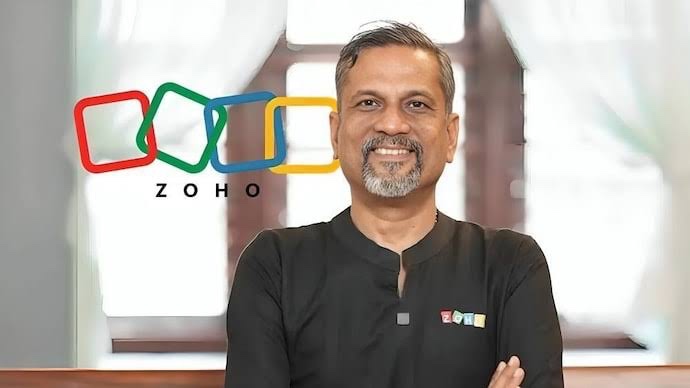
The debate over remote work has reached a boiling point across Indian tech hubs like Bengaluru, Pune, and Chennai. While many software companies settled into comfortable hybrid routines post-pandemic, Zoho CEO Sridhar Vembu drew a hard line in the sand. His strict call for employees to return to physical offices has reignited a nationwide discussion on whether work-from-home (WFH) is a passing trend or the future of employment. For millions of Indian professionals, this policy shift represents a fundamental clash between corporate culture, productivity metrics, and the desire for urban flexibility.
The conversation goes beyond a simple preference for commuting or staying home. It touches upon real estate investments in tier-2 cities, the cost of living in metropolitan areas, and how mentorship happens in casual office hallways. As other Indian tech giants navigate this delicate balance, understanding the arguments on both sides is crucial for anyone planning their career trajectory in the current landscape.
The Case for Physical Offices: Zoho's Philosophy
Sridhar Vembu has long championed decentralization, moving Zoho's headquarters to Tenkasi in rural Tamil Nadu while also building thriving campuses in smaller towns. However, within these physical setups, Vembu insists on the irreplaceable value of in-person collaboration. The core thesis behind the anti-WFH stance is that spontaneous innovation happens when people share physical space. Spoken brainstorming sessions, whiteboard drawings, and quick water-cooler chats often spark breakthroughs that rigid Zoom calls simply cannot replicate.
Furthermore, leadership teams argue that company culture degrades over long periods of isolation. Newer employees, fresh out of engineering colleges, often struggle to absorb organizational values and receive adequate mentorship through a computer screen. In an office environment, junior developers can easily turn to senior architects for guidance, accelerating their skill development in ways that asynchronous messaging apps rarely match.
The Counter-Argument: The WFH Revival and Tier-2 Rise
On the flip side, the remote work era unlocked unprecedented benefits for the Indian workforce. Professionals who previously spent two to three hours daily navigating choked traffic in Bengaluru or Mumbai suddenly reclaimed that time for personal wellness, family, and self-education. This newfound flexibility reduced urban burnout and allowed many tech workers to relocate back to their hometowns, supporting local economies in places like Jaipur, Kochi, and Bhubaneswar.
From a financial standpoint, remote work eliminated exorbitant metro rentals, which often cost upwards of ₹30,000 per month for a modest apartment in Koramangala or HSR Layout. Employers also benefited from access to a borderless talent pool, hiring skilled engineers without requiring them to relocate. For many, forcing a return to physical offices feels like an unnecessary step backward when digital collaboration tools have proven remarkably effective for routine software delivery and project management.
The Rise of the Pragmatic Hybrid Model
While Zoho takes a firm traditionalist route, the broader Indian corporate sector is largely gravitating toward structured hybrid policies. Companies are realizing that absolute extremes—either 100% remote or 100% office-bound—may not suit every team. A typical modern policy involves coming into the office two to three days a week, maximizing face-to-face alignment while preserving remote flexibility for deep, uninterrupted coding or writing tasks.
This middle ground attempts to capture the best of both worlds. It gives managers the visibility they desire while granting employees the autonomy to manage their personal schedules. However, even hybrid models face friction regarding which days are mandatory and whether remote employees are inadvertently sidelined during promotions due to a lack of face-time with leadership.
Frequently Asked Questions
Is remote work completely dying out in India?
No, remote work is not dying, but it is evolving. While strict mandates from companies like Zoho grab headlines, many startups, global capability centers (GCCs), and mid-sized IT firms continue to offer permanent remote or flexible hybrid options to attract top talent.
How does Sridhar Vembu's rural office strategy differ from traditional WFH?
Sridhar Vembu advocates for physical workspaces, but instead of packing employees into expensive metro skyscrapers, Zoho establishes campuses in tier-2 and tier-3 towns. Employees still commute to an office, but they live in areas with lower costs of living and minimal traffic.
Will choosing a remote-only career limit my career growth in India?
It depends on the company culture. In organizations with strong documentation and merit-based evaluation, remote workers thrive. However, in traditional hierarchical setups, physical proximity to decision-makers can still provide an implicit advantage for promotions.
Charting Your Career Path Forward
The clash between Zoho's strict office stance and the ongoing desire for remote flexibility highlights a transitional phase in the Indian corporate ecosystem. As professionals, adapting to these changing expectations requires open communication with employers and a willingness to evaluate what work environment truly maximizes your personal output and mental well-being.
Support creators
Show your appreciation for independent tech journalism by tipping your favorite writers on ContentVerse India.
Was this helpful?
Your feedback helps us improve content for everyone.
Liked this piece?
Tip Dhananjay for the work
100% goes to the creator. Send a one-time tip in rupees and back the writing you love.
Dhananjay Singh
0 followers · 0 blogs
Creator on ContentVerse. Building, writing, and shipping in public.
0 followers


Discussion