
Zudio to Quiet Luxury: How India's Fashion Landscape is Changing
India's fashion market is experiencing a fascinating polarization. From budget-friendly retail giants dominating Tier-2 cities to a surging demand for understated, logo-free craftsmanship, our style identity is evolving rapidly.
Reading this article: 0s
News in 60 words
~150-word AI digest in one read
Thesis, bullets, quote & takeaway — slogan stays "60 words"
1h ·4 min read· 0 · 0 · 0
Full story
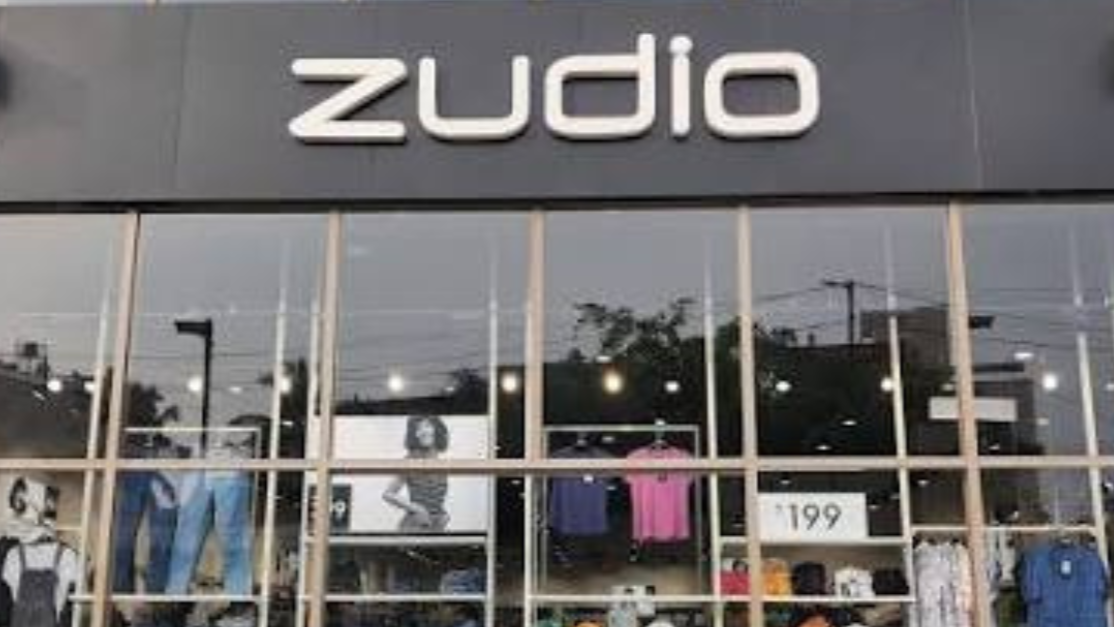
The Indian fashion consumer has never been more contradictory—or more fascinating. Walk into a packed Zudio outlet in a bustling Tier-2 hub like Lucknow or Coimbatore on a Saturday afternoon, and you will witness the democratization of trend-led fashion at astonishingly low price points. Shirts priced at ₹299 and jeans under ₹799 are flying off the shelves, fueled by rising disposable incomes and aspirations in non-metro India.
Yet, simultaneously, India’s metropolitan elite in cities like South Delhi, Bandra in Mumbai, and Indiranagar in Bengaluru are pivoting toward an aesthetic defined by the absence of logos. This dual shift—simultaneous hyper-growth at both ends of the economic spectrum—is redefining the Indian retail playbook. Major global style publications are taking note of this unique polarization, recognizing India as one of the most dynamic clothing markets in the world today.
The Fast-Fashion Boom and the Tier-2 Revolution
For decades, organized fashion retail in India was largely restricted to metros and mini-metros, dominated by brands like Pantaloons, Westside, and international giants like Zara and H&M. However, the last five years have seen a aggressive pivot toward Tier-2 and Tier-3 cities. Brands like Trent’s Zudio have mastered the science of high-turnover, low-margin retail, proving that consumers in cities like Indore, Patna, and Jaipur crave trendy silhouettes just as much as urbanites.
This boom is driven by several structural changes:
- Digital Penetration: Instagram and YouTube shorts have flattened fashion aspirations, making trends instantly accessible in smaller towns.
- Aggressive Pricing: Value retail relies on optimized supply chains, offering fast-fashion dopamine without financial guilt.
- Mall Culture Expansion: Real estate developers are expanding beyond metros, building modern lifestyle centers in smaller administrative hubs.
This accessible fast-fashion wave has given millions of young Indians their first taste of experimental styling, breaking away from traditional generational wardrobes.
The Counter-Movement: The Rise of Quiet Luxury
Even as budget retail expands its footprint, a parallel movement is gaining momentum among India's discerning buyers. "Quiet luxury"—or stealth wealth—has arrived in India, moving away from flashy monograms and loudly branded luxury goods toward understated elegance, exceptional tailoring, and superior fabrics like Chanderi silk, Khadi linen, and organic cotton.
Consumers are increasingly asking about the provenance of their clothes. Instead of buying a luxury belt splashed with designer logos, affluent Indian shoppers are investing in handcrafted silk kurtas from independent designers, bespoke linen trousers, and heritage jewelry. This shift represents a maturation of the Indian luxury consumer, who now values subtlety, longevity, and comfort over status signaling through logos.
Artisanal Craftsmanship Meets Modern Silhouettes
At the intersection of this fashion evolution lies a renewed appreciation for Indian textiles. Local designers are reimagining traditional weaves for contemporary wardrobes. Handloom cooperatives are collaborating with urban stylists to create structured blazers from Kanjeevaram silk, minimalist dresses using Jamdani weaves, and contemporary menswear out of Indigo-dyed cotton.
This is not mere nostalgia; it is a commercially viable revival. Consumers are willing to pay a premium for garments that tell a story of ethical production and master craftsmanship. Brands that champion slow fashion are finding eager buyers among young professionals who want their wardrobes to reflect both personal style and cultural roots.
Sustainability and the Conscious Consumer Dilemma
This bipolar fashion landscape presents a unique paradox regarding sustainability. On one hand, the explosive growth of ultra-fast fashion in smaller towns raises valid concerns about textile waste, microplastics, and carbon footprints. On the other hand, India’s indigenous traditions of zero-waste tailoring, garment renting, and hand-me-down culture have always been inherently sustainable.
As conscious consumerism gains traction, even mainstream brands are introducing eco-conscious lines. However, true sustainability in India often looks less like buying "green-labeled" fast fashion and more like returning to ancestral habits: investing in fewer, better pieces, supporting local tailors, and wearing handlooms for decades.
Frequently Asked Questions
What is driving the fast-fashion boom in India's Tier-2 cities?
Rising disposable incomes, widespread smartphone and internet access, and the aggressive expansion of value-retail chains like Zudio into non-metro regions have made trendy, affordable clothing accessible to millions of new shoppers.
How is quiet luxury different from traditional luxury in India?
Traditional luxury in India often emphasized visible branding, heavy embroidery, and festive opulence. Quiet luxury focuses on minimalist designs, premium unbranded fabrics, superior tailoring, and everyday versatility.
Are traditional Indian textiles losing ground to western fast fashion?
Not necessarily. While western fast fashion dominates casual daily wear, traditional Indian textiles are experiencing a renaissance through modern designer adaptations, appealing to consumers looking for sustainable and culturally rooted fashion choices.
Conclusion
India's fashion landscape is no longer a monolith. The coexistence of budget-friendly fast fashion in smaller towns and quiet luxury in metropolitan centers proves that the Indian consumer is diverse, discerning, and constantly evolving. Whether you are grabbing a trendy ₹499 top at a local mall or investing in a bespoke handloom piece from an artisanal studio, fashion in India is ultimately about self-expression meeting accessibility.
Support creators
If you enjoyed this analysis, consider leaving a tip for the author on ContentVerse India to support independent style journalism.
Was this helpful?
Your feedback helps us improve content for everyone.
Liked this piece?
Tip Dhananjay for the work
100% goes to the creator. Send a one-time tip in rupees and back the writing you love.
Dhananjay Singh
0 followers · 0 blogs
Creator on ContentVerse. Building, writing, and shipping in public.
0 followers


Discussion