
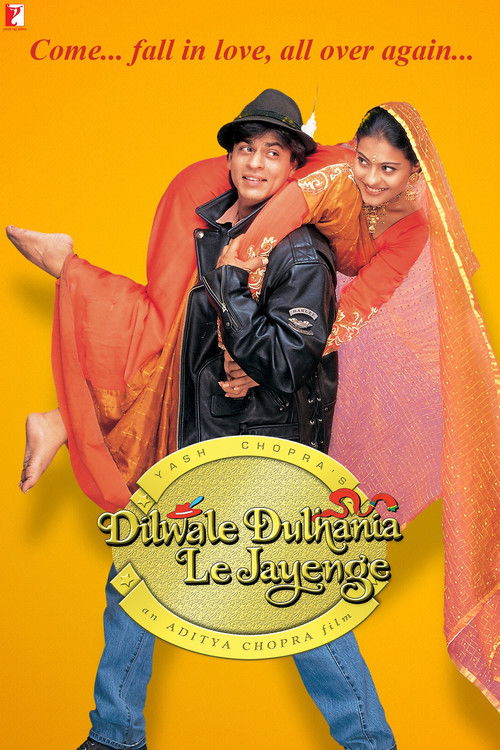
Dilwale Dulhania Le Jayenge
Come… fall In love, all over again…
Dilwale Dulhania Le Jayenge Release Date
Theatrical / primary release: 20 October 1995.
Dilwale Dulhania Le Jayenge Cast
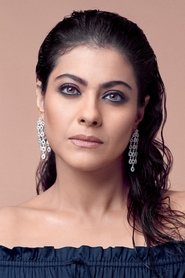
Kajol
as Simran Singh
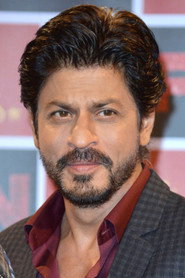
Shah Rukh Khan
as Raj Malhotra
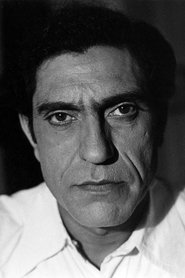
Amrish Puri
as Chaudhry Baldev Singh
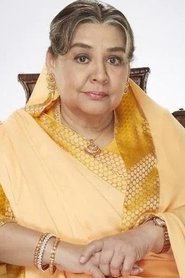
Farida Jalal
as Lajwanti 'Lajjo' Singh
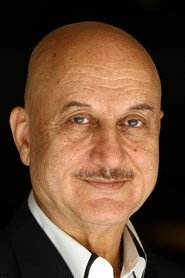
Anupam Kher
as Dharamvir Malhotra
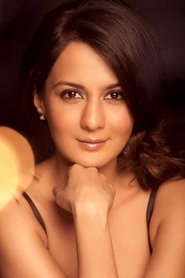
Pooja Ruparel
as Rajeshwari "Chutki" Singh

Parmeet Sethi
as Kuljeet Singh
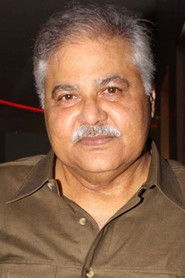
Satish Shah
as Ajit Singh, Kuljeet's Father

Mandira Bedi
as Preeti Singh, Kuljeet's Sister
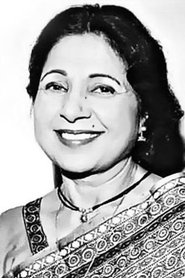
Achala Sachdev
as Simran's Grandmother
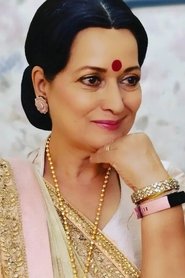
Himani Shivpuri
as Simran's Aunt
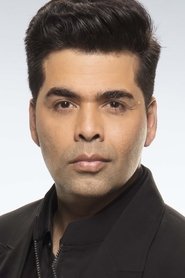
Karan Johar
as Rocky, Raj's friend
Arjun Sablok
as Roby, Raj's friend

Anaita Shroff Adajania
as Sheena
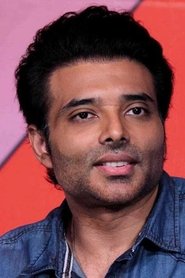
Uday Chopra
as Man on Bike (uncredited)
Hemlata Deepak
as Simran's Friend
Dilwale Dulhania Le Jayenge Trailer
Trailers
Dilwale Dulhania Le Jayenge Story
Raj is a rich, carefree, happy-go-lucky second generation NRI. Simran is the daughter of Chaudhary Baldev Singh, who in spite of being an NRI is very strict about adherence to Indian values. Simran has left for India to be married to her childhood fiancé. Raj leaves for India with a mission at his hands, to claim his lady love under the noses of her whole family. Thus begins a saga.
Dilwale Dulhania Le Jayenge Rating
Community rating: 8.5/10 from 4,635 votes. Open the IMDb page for Dilwale Dulhania Le Jayenge for IMDb score and user reviews.
Dilwale Dulhania Le Jayenge OTT Release Date
Dilwale Dulhania Le Jayenge OTT release date for India is not listed yet. Check Where to Watch when platforms go live.
Dilwale Dulhania Le Jayenge Where to Watch
Currently linked for India streaming: Netflix. Availability changes — confirm on the platform.
Watch in India


Links open provider search — affiliate partnerships may earn commission.
Dilwale Dulhania Le Jayenge Reviews
MohamedElsharkawy
The Dilwale Dulhania Le Jayenge is a film considered by most to be one of the greatest ever made. From The American Film Institute to as voted by users on the Internet Movie Database (IMDB) it is consider to be one of the best.
Read full review
badelf8/10
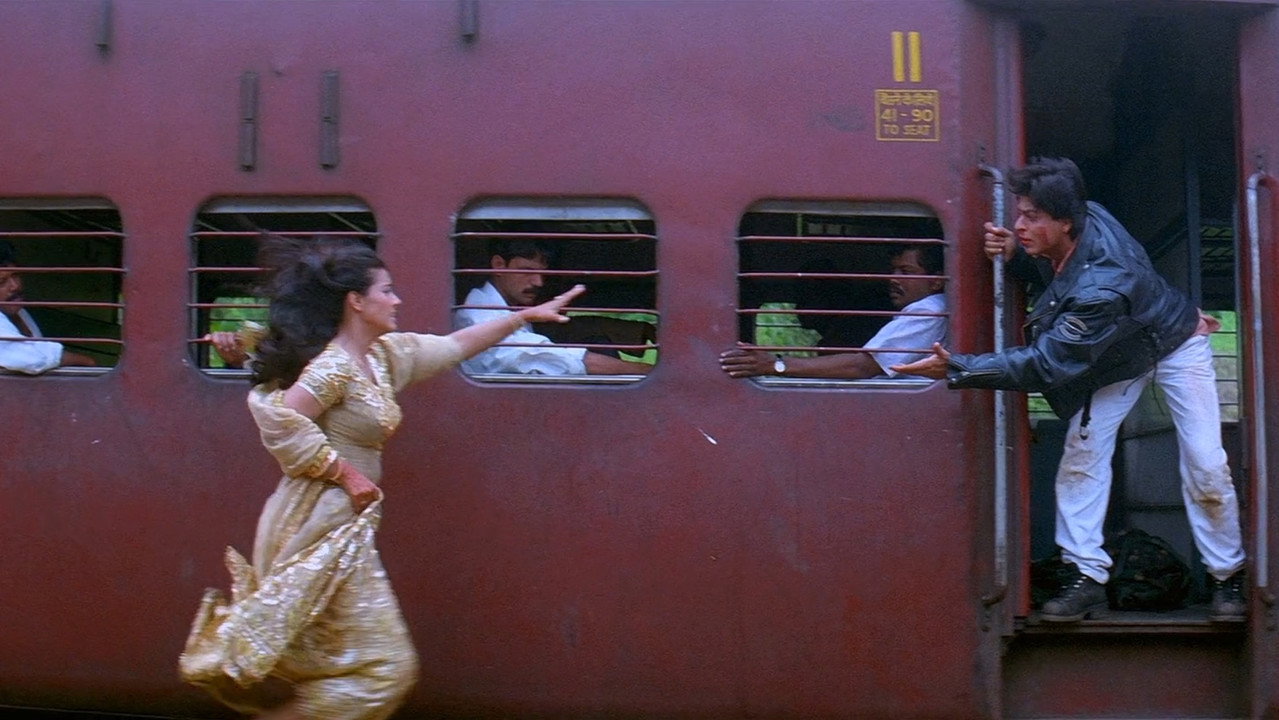
**8/10: the defining Bollywood romance that established the grammar an entire industry still speaks, anchored by Khan and Kajol's legendary chemistry and elevated by songs that became cultural touchstones.** Aditya Chopra's directorial debut unfolds as something extraordinary; the template for an entire generation of Bollywood romance, a film that codified a visual and emotional language now so ubiquitous it's easy to forget someone had to invent it first. Three decades on, *Dilwale Dulhania Le Jayenge* (known universally by its initialism, DDLJ) has aged in the way all defining works do; the story beats feel familiar now precisely because this film established them, with the musical numbers and art direction lavish in a mode that became industry standard. What felt revolutionary in 1995, the notion that lovers might honor family tradition rather than simply elope, and that tradition and desire could coexist, now plays as genre convention. But watch it understanding what Chopra achieved 31 years ago, and at twenty-three years old, and the craft becomes highly visible. Shah Rukh Khan and Kajol radiate the kind of screen chemistry that cannot be manufactured or directed, only recognized and captured. Their work here as Raj and Simran set the standard against which every subsequent Bollywood pairing has been measured. Khan brings both charm and emotional transparency to a role that could have been merely rakish; Kajol matches him beat for beat, playing constraint and longing with equal conviction. The film won ten major Filmfare Awards including Best Film, Best Actor, and Best Actress, recognition that was both deserved and, in retrospect, inevitable. What truly anchors *DDLJ* is the chemistry between Khan and Kajol, who create the kind of effortless connection Kajol herself described as "a rhythm" that required no rehearsal. Their scenes together have the lived-in quality of actors who trust each other completely, and that trust radiates through the screen. The songs, composed by Jatin-Lalit, became defining works of 1990s Bollywood, and Chopra stages them with both visual splendor and emotional purpose; they're never mere interruptions but extensions of the characters' interior lives. Cinematographer Manmohan Singh and art director Sharmistha Roy create a visual palette that's both opulent and specific, especially in the European sequences and the preparations to a Punjab wedding. Chopra, working from his own screenplay, shows remarkable control for a first-time director, though he reportedly took a "dictator" approach on set to maintain his vision. That particular vision - wholesome, family-oriented, yet still honoring individual desire - proved to be exactly what audiences wanted. The film opened October 20, 1995, and has played daily at Mumbai's Maratha Mandir cinema ever since (save for pandemic closures), a theatrical run now exceeding thirty years. That's not quite *The Fantasticks'* forty-two-year off-Broadway marathon, but it's the record for any Bollywood film, and the statistic tells you something essential: This is a movie that became part of the Indian cultural infrastructure, a ritual as much as an entertainment, like Americans watching It's A Wonderful Life except DDLJ plays all year. It earned inclusion in Steven Schneider's canonical *1001 Movies You Must See Before You Die*, one of only three Hindi films to make that list. This film is essential viewing for anyone serious about understanding global cinema. It's the Rosetta Stone for contemporary Bollywood romance, the film that proved tradition and modernity could coexist on screen, that family dramas could play internationally, that the diaspora audience was both lucrative and hungry for stories that honored their dual identities. Every rom-com that followed walks in the path *DDLJ* carved.
Read full review
Streaming links are search/affiliate deep links for India.