
About Delhi NCR
From ancient Mughal monuments to sprawling glass skyscrapers, Delhi NCR is India’s ultimate urban giant. Discover its rich heritage, thriving suburbs, street food, and modern lifestyle in this complete guide.
Reading this article: 0s
News in 60 words
~150-word AI digest in one read
Thesis, bullets, quote & takeaway — slogan stays "60 words"
1h ·6 min read· 0 · 0 · 0
Full story
The Mega-Region Unveiled: What Exactly is Delhi NCR?
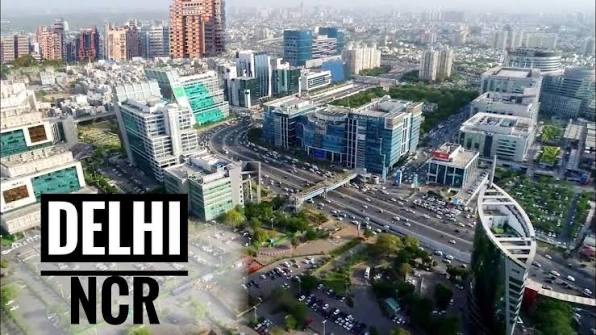
The National Capital Region (NCR) of India is not just a geographical designation; it is a bustling, ever-expanding urban ecosystem that bridges historical grandeur with high-tech modernity. Encompassing the National Capital Territory (NCT) of Delhi alongside adjoining districts from neighboring states—Haryana, Uttar Pradesh, and Rajasthan—Delhi NCR stands as one of the world's largest urban agglomerations.
While Delhi itself serves as the political and historical heart of India, the broader NCR includes dynamic satellite cities like Gurgaon (Gurugram), Noida, Greater Noida, Ghaziabad, and Faridabad. Each satellite city brings its own distinct personality to the region. Gurgaon represents India’s corporate and financial ambition, Noida showcases media and manufacturing strength, and Old Delhi preserves centuries of imperial history. Together, Delhi NCR forms an energetic melting pot of cultures, business hubs, top-tier educational institutions, and unmatched regional connectivity.
A Living Mosaic of History and Heritage
To understand Delhi NCR, one must first step back into its storied past. Legend holds that the region was the site of Indraprastha, the ancient capital of the Pandavas in the Hindu epic Mahabharata. Over the centuries, seven distinct historical cities were built, destroyed, and rebuilt across this terrain by successive dynasties, including the Mamluks, Khiljis, Tughlaqs, Lodis, Mughals, and eventually the British Empire.
This continuous layer of history leaves Delhi dotted with world-renowned heritage sites:
- Old Delhi (Shahjahanabad): Established by Mughal Emperor Shah Jahan in 1639, this area houses the majestic Red Fort and Jama Masjid, India's largest mosque. The narrow lanes of Chandni Chowk still echo with the hustle of 17th-century trade.
- Humayun’s Tomb: A UNESCO World Heritage Site, this red sandstone architectural masterpiece served as the design prototype for the Taj Mahal.
- Qutub Minar Complex: Featuring the world’s tallest brick minaret, built in the early 13th century, showcasing intricate Indo-Islamic stonework.
- Lutyens’ Delhi: Designed during British colonial rule in the 1920s and 1930s, this leafy enclave houses seat-of-power landmarks like Rashtrapati Bhavan (Presidential Residence), Parliament House, and the iconic India Gate war memorial.
The Suburbs That Power Modern India: Gurgaon and Noida
While Central and Old Delhi hold the keys to history, the satellite cities within NCR represent the future of India's rapid economic growth. Over the last two decades, farmland transformed into gleaming skyline vistas, attracting Fortune 500 multinationals, startups, and modern residential townships.
Gurgaon (Gurugram)
Known as the "Millennium City," Gurgaon is Haryana’s crown jewel. It houses headquarters for major corporate giants, cloud computing majors, and automotive powerhouses. Enclaves like DLF Cyber City and Golf Course Road feature futuristic glass towers, international corporate campuses, luxury penthouses, and high-end commercial spaces.
Noida and Greater Noida
Situated in Uttar Pradesh across the Yamuna River, Noida (New Okhla Industrial Development Authority) has evolved into a major technology, electronics, and media hub. Modern highways, planned sector layouts, expansive parks, and educational hubs like Knowledge Park in Greater Noida make this zone a central pillar of the region's industrial output.
Faridabad and Ghaziabad
Traditionally industrial powerhouses, Faridabad (Haryana) and Ghaziabad (Uttar Pradesh) provide critical manufacturing strength, logistics support, and affordable residential alternatives for millions commuting into Delhi daily.
The Culinary Capital: From Chandni Chowk to Cyber Hub
Delhi NCR is indisputably the food capital of India. Its culinary identity is a rich tapestry woven from Mughal royal kitchens, Punjabi immigrant traditions following the 1947 Partition, modern international influences, and pan-Indian flavors brought by migrants from across the country.
Food lovers in NCR can experience an extraordinary spectrum of dining options:
- Street Food Marvels: Chandni Chowk is legendary for Paranthe Wali Gali, hot chole bhature, crispy jalebis, and fragrant biryanis. Meanwhile, Lajpat Nagar and Sarojini Nagar offer mouth-watering golgappas, tikki, and steamed momos.
- Mughlai and North Indian Classics: Historic eateries in Daryaganj claim the origin of world-famous dishes like Butter Chicken and Dal Makhani. Kebab spots near Jama Masjid serve succulent mutton seekh and chicken changezi cooked over open charcoal grills.
- Modern Gastronomy: Outposts like DLF CyberHub in Gurgaon, Connaught Place (CP) in Central Delhi, and Khan Market feature global fusion restaurants, artisanal microbreweries, specialty coffee roasters, and Michelin-starred culinary concepts.
Transit and Infrastructure: Navigating the Lifeline
Moving tens of millions of people across a vast geographic region requires sophisticated infrastructure. Fortunately, Delhi NCR boasts some of the finest transportation networks in South Asia.
The Delhi Metro
The Delhi Metro is the undisputed backbone of the capital region. Clean, punctual, air-conditioned, and continuously expanding, the metro network spans over 390 kilometers with hundreds of stations. It seamlessly connects Delhi to Gurgaon, Noida, Faridabad, Ghaziabad, and Bahadurgarh, dramatically shortening urban commute times.
Expressways and Rapid Rail
Major vehicular corridors like the Delhi-Gurgaon Expressway, Noida-Greater Noida Expressway, Eastern and Western Peripheral Expressways, and the Delhi-Meerut Expressway keep freight and passenger traffic moving around the central core. Furthermore, the introduction of high-speed Namo Bharat (RRTS) regional trains is setting new benchmarks for intercity suburban transit.
Aviation Hub
Indira Gandhi International Airport (DEL) in Delhi is one of the busiest and modern airport hubs in the world. With multiple active terminals and world-class passenger amenities, it connects NCR to every major global destination and domestic commercial center.
Shopping, Arts, and Urban Culture
Life in Delhi NCR is dynamic, expressive, and culturally intense. Whether you are an art enthusiast, a fashion designer, or a casual shopper, the region offers endless avenues for exploration.
- Bazaars vs. Luxury Malls: Experience traditional open-air haggling at Sarojini Nagar Market, Janpath, and Kamla Nagar, or shop premium global fashion houses at DLF Emporio (Vasant Kunj), Select CITYWALK (Saket), and Mall of India (Noida).
- Arts and Performance: The Mandi House cultural hub in Delhi is home to prestigious performing arts venues like the National School of Drama, Kamani Auditorium, and Triveni Kala Sangam. Dilli Haat provides an open-air craft bazaar where artisans from every Indian state display authentic handicrafts and regional cuisines.
- Nightlife Enclaves: Places like Hauz Khas Village, Connaught Place, CyberHub, and Sector 29 Gurgaon come alive after dark with vibrant live music, rooftop lounges, stand-up comedy venues, and craft beer bars.
Practical Insider Tips for Travelers and Residents
Navigating a bustling metropolitan center of over 30 million people requires a few practical strategies to ensure a smooth trip or transition:
- Understand the Seasons: Delhi NCR experiences extreme weather. Winters (November to February) are chilly and cozy, though hazy; summers (April to June) are intensely hot, with temperatures often crossing 40°C (104°F); and the monsoon season (July to September) brings welcome rains alongside occasional traffic waterlogging.
- Utilize Metro & Ride-Hailing Services: For rapid transit, rely heavily on the Delhi Metro. For last-mile connectivity, auto-rickshaws and app-based ride services (Uber, Ola, Rapido) are widely accessible and affordable.
- Plan Around Air Quality: Air quality Index (AQI) levels tend to spike during early winter (October to December). Carrying N95 masks and using indoor air purifiers during these months is advisable for sensitive individuals.
- Embrace Regional Diversity: Take time to explore beyond central tourist sites. Visit the Tibetan settlement at Majnu ka Tilla for authentic Himalayan food, tour the serene Lotus Temple, or spend a quiet morning strolling through the historic foliage of Lodhi Gardens.
Delhi NCR is a microcosm of India itself—energetic, historical, modern, chaotic, and endlessly welcoming. Whether you are coming to close a corporate deal, study at top universities, sample legendary street food, or marvel at centuries-old architecture, the National Capital Region leaves an indelible mark on every visitor.
Was this helpful?
Your feedback helps us improve content for everyone.
Liked this piece?
Tip Dhananjay for the work
100% goes to the creator. Send a one-time tip in rupees and back the writing you love.
Dhananjay Singh
0 followers · 0 blogs
Creator on ContentVerse. Building, writing, and shipping in public.
0 followers


Discussion