
Elon Musk: AI Superintelligence in 5 Years? What it Means for India
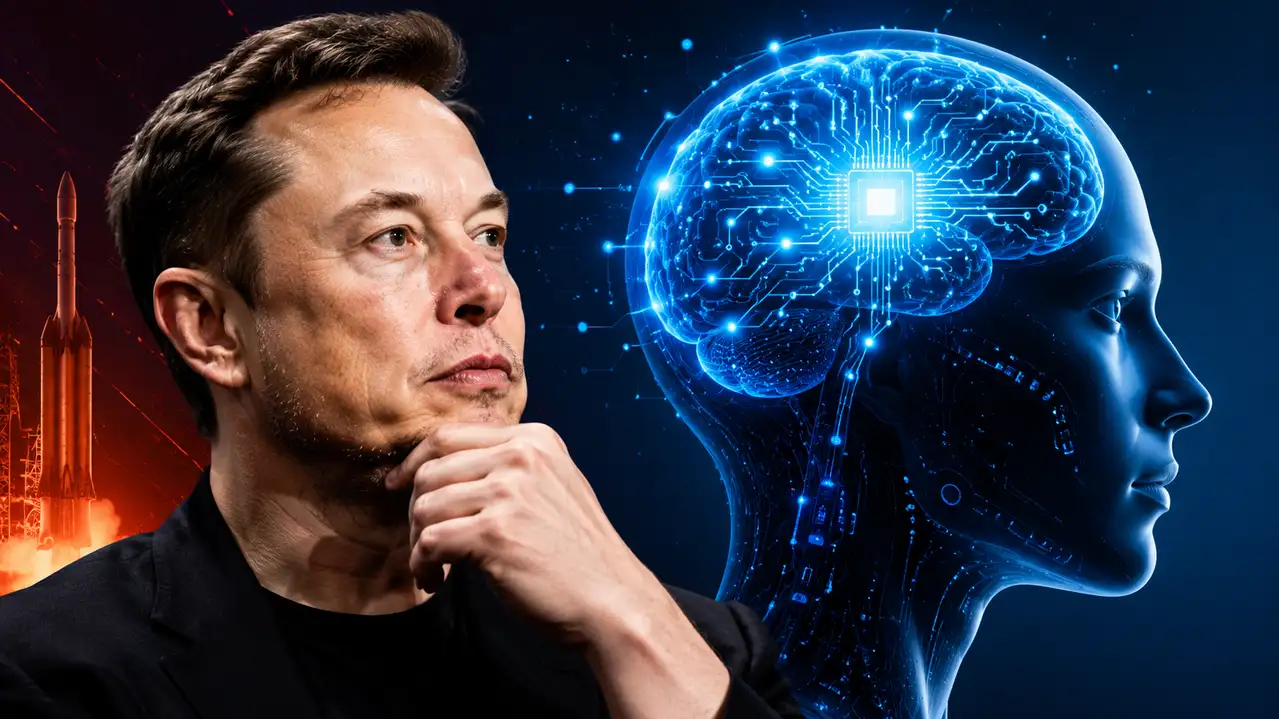
Elon Musk's recent prediction of AI superintelligence within five years has ignited global debate, prompting critical questions about the future of technology and humanity. For India, a rapidly growing AI hub, this timeline presents both unprecedented opportunities and significant challenges for its economy and society.
Reading this article: 0s
News in 60 words
~150-word AI digest in one read
Thesis, bullets, quote & takeaway — slogan stays "60 words"
2d ·5 min read· 3 · 0 · 0
Full story
Elon Musk's pronouncements rarely go unnoticed, and his recent prediction about Artificial General Intelligence (AGI) or even superintelligence emerging within the next five years has sent ripples across the global tech landscape. For a nation like India, which is rapidly positioning itself as a major player in the global AI arena, such a timeline isn't just a distant sci-fi concept; it's a pressing call to action, demanding immediate attention to strategy, ethics, and workforce readiness.
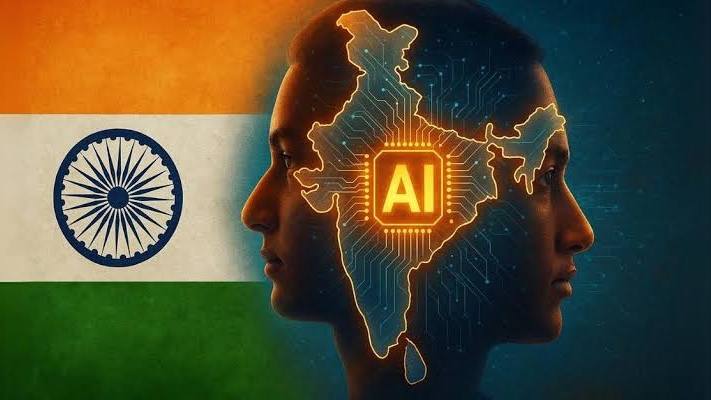
India's digital transformation journey is in full swing, with initiatives like Digital India and a booming startup ecosystem, particularly in cities like Bengaluru, Hyderabad, and Pune. The prospect of AI evolving so rapidly means India must not only keep pace but also proactively shape its future to harness the immense potential while mitigating the inherent risks. This isn't merely about technological adoption; it's about societal evolution.
Unpacking Musk's AI Timeline and Superintelligence
Musk's timeline, while aggressive, underscores a growing consensus among some AI researchers that progress is accelerating exponentially. Superintelligence refers to AI that vastly surpasses human cognitive abilities across virtually all domains, from scientific discovery to creative endeavors. It's a leap beyond even AGI, which aims to match human intelligence.
Current AI models like OpenAI's GPT series or Google's Gemini showcase remarkable capabilities in natural language processing, code generation, and complex problem-solving. However, they are still specialized. The leap to superintelligence implies an AI that can learn, reason, and innovate far beyond human capacity, potentially leading to breakthroughs that are currently unimaginable. This trajectory raises fundamental questions about control, alignment, and the very definition of human purpose.
India's AI Ambition: Opportunities and Challenges
India is uniquely positioned to leverage the AI revolution. With the world's largest youth population, a robust IT services sector, and a strong emphasis on digital public infrastructure (like Aadhaar and UPI), the groundwork for AI adoption is already substantial. The Indian government's 'IndiaAI' mission and National Strategy for Artificial Intelligence aim to establish India as a global leader in AI development and application.
Opportunities are immense. AI can revolutionize healthcare delivery in remote villages, optimize agricultural output for farmers, enhance disaster management, and power smart city initiatives in urban centres. Imagine AI-driven diagnostics making specialist consultations accessible for ₹500 in a Tier-3 city, or predictive analytics helping a farmer in Punjab maximize crop yield by just 10-15%. However, challenges loom large. Data privacy, ethical deployment, the digital divide, and the potential for job displacement require careful navigation. Ensuring equitable access to AI benefits across all sections of society, from Mumbai's tech hubs to rural Odisha, is paramount.
The Ethical and Safety Imperatives for India
As AI capabilities advance, the discussion around AI safety and ethics becomes critically important. India, with its diverse cultural fabric and democratic values, has a unique opportunity to contribute to global AI governance frameworks. The focus must be on developing 'Responsible AI' – systems that are fair, transparent, accountable, and privacy-preserving.
This involves setting up regulatory bodies, fostering research into AI alignment, and establishing clear guidelines for data collection and usage. Without these safeguards, the rapid deployment of superintelligent AI could exacerbate existing inequalities, lead to sophisticated misinformation campaigns, or even pose existential risks. India's approach to data protection, exemplified by the Digital Personal Data Protection Act 2023, provides a foundation upon which specific AI ethics can be built.
Preparing India's Workforce for an AI-Driven Future
The advent of superintelligence will undoubtedly reshape the job market. While some roles may become redundant, many new ones will emerge, requiring a significant shift in skills. India's vast workforce needs proactive reskilling and upskilling initiatives to remain relevant and competitive.
Education institutions, from IITs to vocational training centres, must integrate AI literacy, data science, machine learning, and critical thinking into their curricula. Government programs, in collaboration with industry bodies like NASSCOM, are crucial for providing accessible and affordable training. The focus should be on developing uniquely human skills – creativity, emotional intelligence, critical thinking, and complex problem-solving – that complement AI capabilities rather than compete with them. This ensures that India's demographic dividend transforms into an AI dividend.
Conclusion
Elon Musk's prediction, whether precisely accurate or slightly off, serves as a powerful reminder of the speed at which AI is evolving. For India, this isn't a passive observation but an urgent call to action. By strategically investing in research and development, fostering an ethical AI ecosystem, and proactively preparing its workforce, India can not only navigate the coming wave of superintelligence but also emerge as a global leader in shaping a beneficial and inclusive AI future. The time to act is now, to ensure that AI serves humanity's best interests.
FAQ
Is superintelligence guaranteed to arrive in 5 years?
No, there's no guarantee. Elon Musk's timeline is a bold prediction shared by some, but many AI researchers believe superintelligence is still decades away, or that defining and achieving it presents fundamental challenges we haven't overcome. The pace of AI development is rapid, but timelines remain speculative and subject to many variables.
How will superintelligence impact jobs in India?
Superintelligence is expected to cause significant job transformation rather than outright elimination for most sectors. While repetitive and data-intensive tasks might be automated, new roles focused on AI supervision, ethical oversight, human-AI collaboration, and creative problem-solving will emerge. India's focus needs to be on reskilling its workforce for these new opportunities.
What is India doing to regulate advanced AI?
India is actively engaging in discussions around AI governance and ethics, both domestically and on international platforms. While a specific, comprehensive AI regulation law is still under consideration, existing frameworks like the Digital Personal Data Protection Act 2023 provide a foundation for data privacy and ethical AI deployment. The government's 'IndiaAI' mission also emphasizes responsible AI development and research.
Support creators
Was this helpful?
Your feedback helps us improve content for everyone.
Liked this piece?
Tip Dhananjay for the work
100% goes to the creator. Send a one-time tip in rupees and back the writing you love.
Dhananjay Chauhan
0 followers · 0 blogs
Creator on ContentVerse. Building, writing, and shipping in public.
0 followers
Discussion