
Fast Fashion in Small Towns: How Zudio and Trends Are Shaping India
Discover how ultra-affordable fast fashion chains like Zudio and Reliance Trends are transforming shopping habits, style choices, and retail landscapes in India's tier-2 and tier-3 cities. Learn what this retail boom means for local economies and consumers.
Reading this article: 0s
News in 60 words
~150-word AI digest in one read
Thesis, bullets, quote & takeaway — slogan stays "60 words"
3h ·5 min read· 0 · 0 · 0
Full story
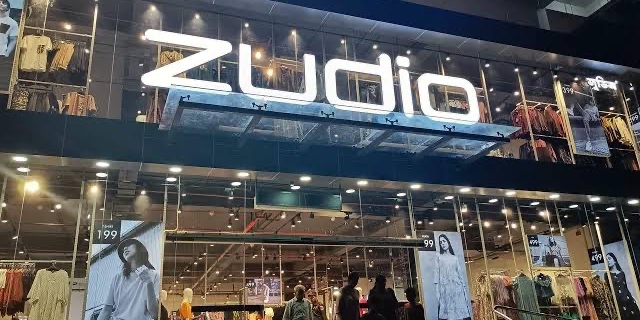
Walk down the busy market lanes of Indore, Lucknow, or Vijayawada today, and you will notice a striking shift. Traditional family-run apparel stores and bustling local weekly bazaars are sharing space—and sometimes losing ground—to sleek, brightly lit retail chains. Brands like Zudio, Reliance Trends, and Azorte are no longer restricted to metropolitan malls. Instead, they are aggressively expanding into India's tier-2, tier-3, and even tier-4 towns. This retail revolution is bringing trendy, runway-inspired fashion to millions of Indian consumers who previously had to travel to major metro cities or rely on unorganized local markets for modern clothing.
Driving this unprecedented small-town fashion boom is a combination of rising disposable incomes, aggressive internet penetration via affordable Jio and Airtel networks, and a deep-seated aspiration for lifestyle upgrades. Consumers in smaller towns now consume the same Instagram and YouTube content as youth in Mumbai or Bengaluru. They want the latest aesthetic trends, crop tops, oversized t-shirts, and chic ethnic wear instantly. Budget fast fashion giants have recognized this massive untapped market, tailoring their pricing and supply chains to meet the demands of aspirational Bharat.
The Rise of Value Retailing in Bharat
For decades, small-town fashion shopping in India was binary. You either bought affordable, unbranded clothes from local roadside markets or saved up for premium brands for weddings and festivals. Value retail giants changed this narrative by introducing trendy garments at unbelievable price points. At stores like Zudio, owned by the Tata group's Trent, a massive chunk of clothing is priced under ₹499 and ₹999. This democratization of style means a college student in Gorakhpur can buy a contemporary printed dress or a sleek pair of trousers for the price of a couple of pizzas.
The business model relies on ultra-fast inventory turns, minimal advertising, and large store footprints in high-street locations or upcoming suburban shopping complexes. By keeping operational costs low and volumes high, these brands pass on massive cost savings to the consumer. This has triggered a paradigm shift in how small-town India perceives everyday fashion, turning clothing from a utilitarian necessity into a frequent, expressive hobby.
Changing Consumer Aspirations and Aesthetics
The impact of fast fashion extends far beyond mere economics; it is reshaping the cultural and visual landscape of provincial India. Young professionals, collegegoers, and homemakers in cities like Vadodara, Patna, and Madurai are increasingly experimenting with Western wear, fusion silhouettes, and global streetwear trends. The traditional boundary between metropolitan style and small-town attire is rapidly dissolving.
Consider the changing wedding and festive seasons. While traditional ethnic wear remains dominant, fast fashion brands have introduced modern, lightweight Indo-western festive collections that appeal directly to Gen Z and millennial buyers. These affordable options allow consumers to curate a versatile, frequently updated wardrobe without burning a hole in their pockets. Social media validation through platforms like Instagram Reels and WhatsApp status updates further fuels this desire to wear new outfits frequently.
Challenges and the Other Side of the Coin
While consumers are celebrating the influx of trendy and affordable apparel, this rapid expansion brings notable challenges. The most pressing concern is the sustainability of ultra-fast fashion in India. Much like their global counterparts, domestic budget chains rely on synthetic fabrics and high-volume production cycles that contribute significantly to textile waste. Small towns, which historically practiced a culture of clothing reuse and hand-me-downs, are now being introduced to a disposable fashion mindset.
Furthermore, the entry of corporate-backed retail giants places immense pressure on local, unorganized mom-and-pop apparel stores. Independent boutique owners and family-run drapery shops, which have served communities for generations, often struggle to compete with the aggressive pricing, sleek store ambiance, and vast catalog offered by national chains. While some local shopkeepers are adapting by digitizing their operations or sourcing unique regional products, many face severe margin compression.
Frequently Asked Questions
Why are brands like Zudio expanding so fast in small towns?
Brands are expanding rapidly into tier-2 and tier-3 towns because metro markets are becoming saturated. Smaller cities offer lower real estate costs, a massive young demographic with rising disposable incomes, and an intense aspiration for branded, modern lifestyle products.
Is the quality of fast fashion in small-town stores reliable?
Fast fashion clothing is designed for high aesthetic value at an affordable price point, meaning garments often use blended or synthetic fabrics. While styles are current, the durability may not match premium or traditional handloom fabrics. Proper garment care, such as gentle washing, helps extend their lifespan.
How are local traditional shops surviving this corporate retail wave?
Many local retailers are surviving by focusing on personalized customer service, offering traditional occasion wear that corporate chains might miss, and leveraging WhatsApp for direct-to-home deliveries and community trust.
Conclusion
The march of fast fashion into India's small towns is an unstoppable economic force, bridging the cultural gap between urban centers and provincial Bharat. It empowers everyday consumers with access to trendy, dignity-affirming fashion at democratic price points, enabling self-expression like never before. However, as our wardrobes expand and trends cycle faster than ever, both consumers and brands must remain mindful of the ecological and social footprints left behind. Balancing modern style aspirations with sustainable local commerce will define the next chapter of India's retail story.
Support creators
If you enjoyed this analysis, consider tipping our writers on ContentVerse India to support independent journalism.
Was this helpful?
Your feedback helps us improve content for everyone.
Liked this piece?
Tip Dhananjay for the work
100% goes to the creator. Send a one-time tip in rupees and back the writing you love.
Dhananjay Singh
0 followers · 0 blogs
Creator on ContentVerse. Building, writing, and shipping in public.
0 followers


Discussion