
India-AI Impact Summit 2026: Key Themes and What to Expect
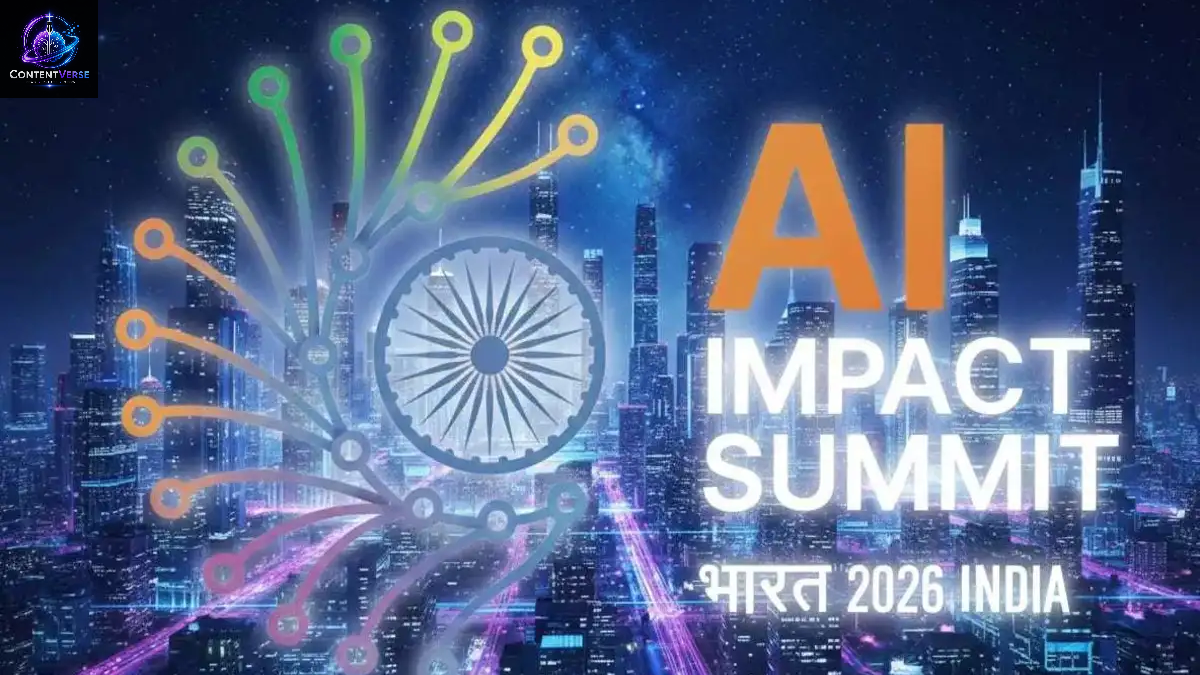
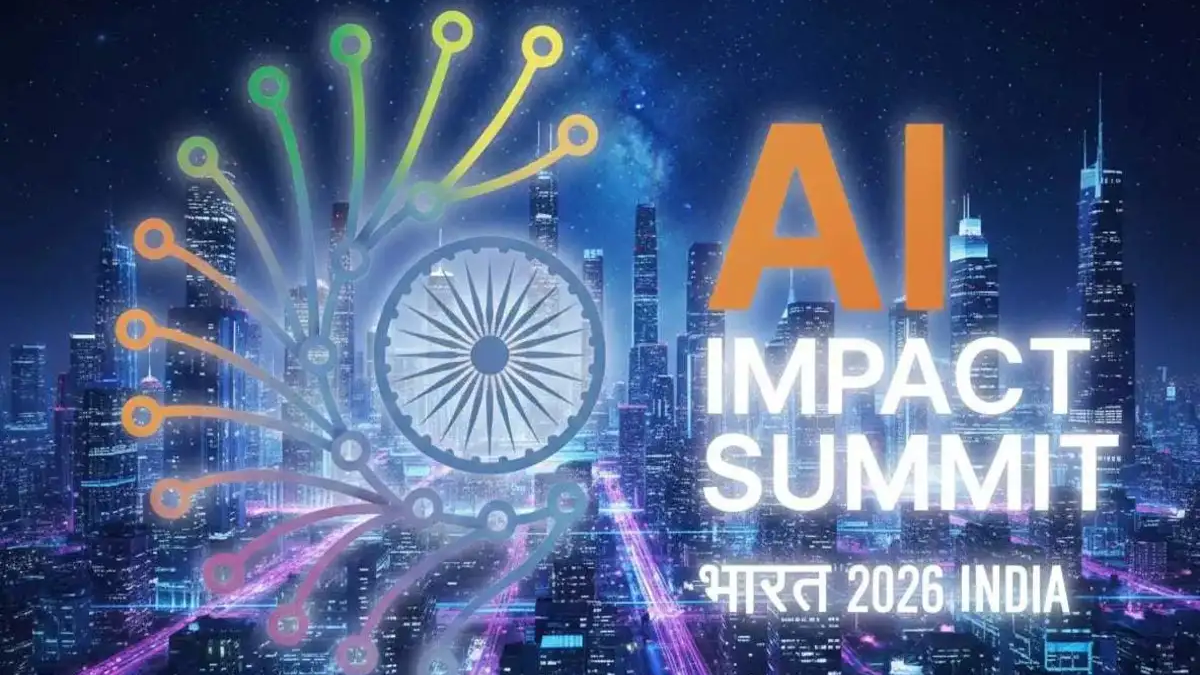
Global tech leaders and policymakers are assembling in New Delhi for the flagship India-AI Impact Summit 2026. Discover the main agenda items, sovereign compute expansion, and how India aims to lead AI innovation across the Global South.
Reading this article: 0s
News in 60 words
~150-word AI digest in one read
Thesis, bullets, quote & takeaway — slogan stays "60 words"
1h ·5 min read· 0 · 0 · 0
Full story
Global technology leaders, artificial intelligence researchers, and chief executives are gathering in New Delhi next week for the India-AI Impact Summit 2026. Held at the state-of-the-art Bharat Mandapam complex, the summit places India's ambitious artificial intelligence strategy directly in the international spotlight.
As country-level AI readiness becomes a core metric of national competitiveness, India is transitioning from a major talent provider to an architecture-defining AI powerhouse. Backed by the Ministry of Electronics and Information Technology (MeitY) and the flagship ₹10,372 crore IndiaAI Mission, this high-profile event sets the operational agenda for compute access, sovereign models, and ethical governance across the Global South.
Here is a detailed breakdown of the central themes, policy discussions, and strategic announcements expected from this premier gathering.
1. Expanding Sovereign AI Compute Infrastructure
High-performance compute capacity remains the foundation of advanced machine learning. One of the top agenda items at the summit is establishing subsidized GPU clusters to democratize foundational model training for domestic researchers and startups.
Under the public-private partnership model envisioned by the IndiaAI Mission, the government aims to deploy over 10,000 GPUs across data centers in Bengaluru, Hyderabad, and the Delhi-NCR region. Major infrastructure providers, including Yotta Data Services, C-DAC, and cloud giants like AWS and Microsoft, are slated to present updates on localized AI supercomputers.
- Startup Subsidies: Direct compute credits for early-stage enterprise startups registered under DPIIT.
- National Data Centers: High-density server deployments tailored specifically for deep learning workloads.
- Energy Grid Integration: Discussions on powering green data centers using renewable energy in Rajasthan and Gujarat.
By lowering compute costs by up to 60% for domestic developers, India aims to prevent elite talent drain to Silicon Valley while fostering indigenous model development.
2. Sovereign LLMs and the Push for Indic Languages
Traditional Large Language Models (LLMs) continue to suffer from significant bias toward English and Western datasets. The India-AI Impact Summit will feature breakthrough research on Large Multilingual Models (LMMs) optimized for regional dialects.
Building upon the foundation laid by the Bhashini project, developers from IIT Madras, IIT Bombay, and private laboratories in Pune are presenting native models trained across 22 constitutionally recognized Indian languages. These models process nuanced local colloquialisms in Hindi, Tamil, Bengali, Marathi, and Telugu.
Key applications discussed during the summit's technical tracks include:
- Voice-First Banking: Enabling rural citizens to execute UPI payments and micro-loan applications using natural voice queries in local dialects.
- Agricultural Advisory: Real-time crop disease diagnosis and weather alerts via localized WhatsApp chatbots for farmers in Uttar Pradesh and Madhya Pradesh.
- Legal Translation: Automated translation of court documentation to expedite case processing across state High Courts.
3. Deployment of AI in Governance and Public Services
India’s proven capability to build scalable Digital Public Infrastructure (DPI)—such as Aadhaar, UPI, and Ayushman Bharat Digital Mission—serves as the primary template for AI integration into civic systems.
Delegates will examine how conversational interfaces integrated into national portals like UMANG and DigiLocker can eliminate friction in public service delivery. For example, local municipal corporations in cities like Lucknow and Jaipur are testing predictive AI models for urban traffic management, waste collection, and flood warning systems.
In healthcare, pilot projects in Tier-2 and Tier-3 hospitals demonstrate how diagnostic AI algorithms can analyze digital X-rays and mammograms at a fraction of standard laboratory costs, filling critical specialist gaps in rural district hospitals.
4. Regulatory Governance and DPDP Act Alignment
As AI tools proliferate, regulatory oversight remains paramount. Summit roundtables will address the legal mechanics of deploying generative models while maintaining strict compliance with the Digital Personal Data Protection (DPDP) Act.
Policymakers and legal experts will debate the balance between rapid innovation and data sovereignty. Key regulatory themes include:
- Deepfake Safeguards: Mandating digital watermarking and provenance tracking for synthetically generated audio and video content.
- Copyright Protections: Establishing clear compensation frameworks for Indian artists and publishers whose intellectual property is used to train generative AI models.
- Fairness and Transparency: Developing auditing standards to check algorithmic bias in automated hiring and credit evaluation algorithms.
India advocates for a pragmatic, outcome-based regulatory framework—avoiding heavy-handed pre-approval processes while enforcing swift penalties for data privacy violations.
5. Fostering a 1-Million Strong AI Workforce
To sustain long-term ecosystem growth, workforce development is a cornerstone of the summit’s agenda. MeitY, in partnership with top IT services exporters and engineering institutes, will outline initiatives to reskill tech professionals.
With major technology hubs in Hyderabad, Chennai, and Gurugram shifting focus from traditional software maintenance to advanced machine learning engineering, structured certification programs are imperative. The summit will highlight vocational training modules aimed at Tier-2 and Tier-3 engineering colleges, ensuring talent pipelines extend beyond the top IITs and NITs.
Frequently Asked Questions
When and where is the India-AI Impact Summit 2026 being held?
The summit is scheduled to take place next week at the Bharat Mandapam convention center in New Delhi, bringing together international industry leaders, domestic founders, and government officials.
How does the IndiaAI Mission support local tech startups?
The ₹10,372 crore IndiaAI Mission provides startups with affordable cloud-compute access, specialized datasets through an open-data platform, seed funding for early-stage AI ventures, and institutional mentorship.
Why are Indic-language models a primary focus of the summit?
Because over 70% of the Indian population primarily uses non-English languages, sovereign Indic LLMs are essential for making digital governance, financial services, and healthcare tools accessible across rural and semi-urban communities.
Conclusion
The India-AI Impact Summit 2026 marks a decisive moment in India's technology transformation. By pairing high-capacity compute infrastructure with tailored public-interest applications, the nation is carving out a distinct model for AI deployment—one centered on affordability, multilingual inclusion, and scalable public utility.
For software engineers, founders, and enterprises, the announcements made at Bharat Mandapam will define commercial and technical priorities for years to come.
Support creators
Enjoyed this deep dive into India's emerging AI ecosystem? Tip the author on ContentVerse India to support independent tech journalism.
Was this helpful?
Your feedback helps us improve content for everyone.
Liked this piece?
Tip Dhananjay for the work
100% goes to the creator. Send a one-time tip in rupees and back the writing you love.
Dhananjay Singh
0 followers · 0 blogs
Creator on ContentVerse. Building, writing, and shipping in public.
0 followers

Discussion