
India's Electro-Tech Boom: How It Is Shaping Tech Jobs and Manufacturing
India is rapidly transitioning from a software services giant into a global hub for electronics manufacturing and hardware innovation. Driven by government schemes and global shifts, this electro-tech wave is revolutionizing the nation's job market.
Reading this article: 0s
News in 60 words
~150-word AI digest in one read
Thesis, bullets, quote & takeaway — slogan stays "60 words"
2h ·5 min read· 0 · 0 · 0
Full story
Introduction: The New Silicon Landscape
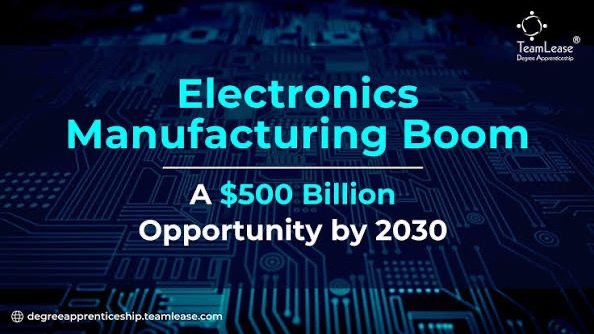
For decades, India’s global reputation in technology rested firmly on software development, IT services, and SaaS platforms. However, a major structural shift is underway across the nation's industrial corridors. Highlighted by the World Economic Forum, India is positioning itself as a dominant force in global electro-tech manufacturing, turning consumer electronics, semiconductor design, and component fabrication into core economic growth engines.
This transformation is no longer a futuristic vision; it is happening right now in places like Noida, Sriperumbudur, and Bengaluru. Driven by global supply chain diversification strategies and aggressive government backing, the Indian electro-tech sector is unlocking thousands of high-value manufacturing and engineering jobs.
Catalysts Behind the Surge: PLI and the China+1 Strategy
To understand the speed of this boom, one must look at the policy push and global market realignments driving foreign direct investment into Indian soil.
- Production Linked Incentive (PLI) Schemes: The Government of India introduced PLI schemes with allocations exceeding ₹38,000 crore for large-scale electronics manufacturing and IT hardware. These financial incentives directly reward companies for scaling domestic production and export volumes.
- India Semiconductor Mission (ISM): With a targeted outlay of ₹76,000 crore, ISM aims to build an end-to-end semiconductor ecosystem covering design, fabrication, and packaging.
- The 'China+1' Supply Chain Shift: Global tech giants seeking to diversify their manufacturing footprints away from East Asia have found a viable base in India, accelerating production setups for smartphones, solar panels, and EV powertrains.
Domestic contract manufacturers like Dixon Technologies and global giants like Foxconn and Pegatron are rapidly expanding their footprints, turning regional clusters into global industrial hotspots.
Mapping India’s Electro-Tech Hubs
The electro-tech boom is creating specialized industrial ecosystems across multiple Indian states, each carving out a distinct niche:
- Sriperumbudur-Oragadam Belt (Tamil Nadu): Often called the 'Detroit of Asia,' this corridor now anchors massive smartphone assembly plants and electronic component factories, employing tens of thousands of factory technicians.
- Noida-Greater Noida Region (Uttar Pradesh): A dominant mobile manufacturing and consumer appliance cluster hosting major brands like Samsung, Lava, and Dixon.
- Bengaluru-Hosur Axis (Karnataka/Tamil Nadu): Leveraging Bengaluru’s software lineage, this region leads in semiconductor design, high-end precision electronics, and EV battery technology (anchored by Tata Electronics).
- Dholera Special Investment Region (Gujarat): Emerging as the primary zone for megawatt semiconductor fabrication units and silicon crystal growth facilities.
The Job Market Shift: From Coding to Hardware Engineering
Historically, an engineering graduate in computer science or electronics sought software developer positions in IT services firms. Today, the recruitment market is shifting toward physical electronics and hardware specialization.
High-Demand Technical Roles
- VLSI and Semiconductor Design Engineers: Designing integrated circuit (IC) layouts and microprocessors for automotive and telecom applications. Starting salaries for VLSI engineers range from ₹6.5 Lakh to ₹12 Lakh per annum (LPA), rising sharply with expertise.
- Embedded Systems Developers: Writing firmware for IoT devices, smart meters, and electronic control units (ECUs) in electric vehicles.
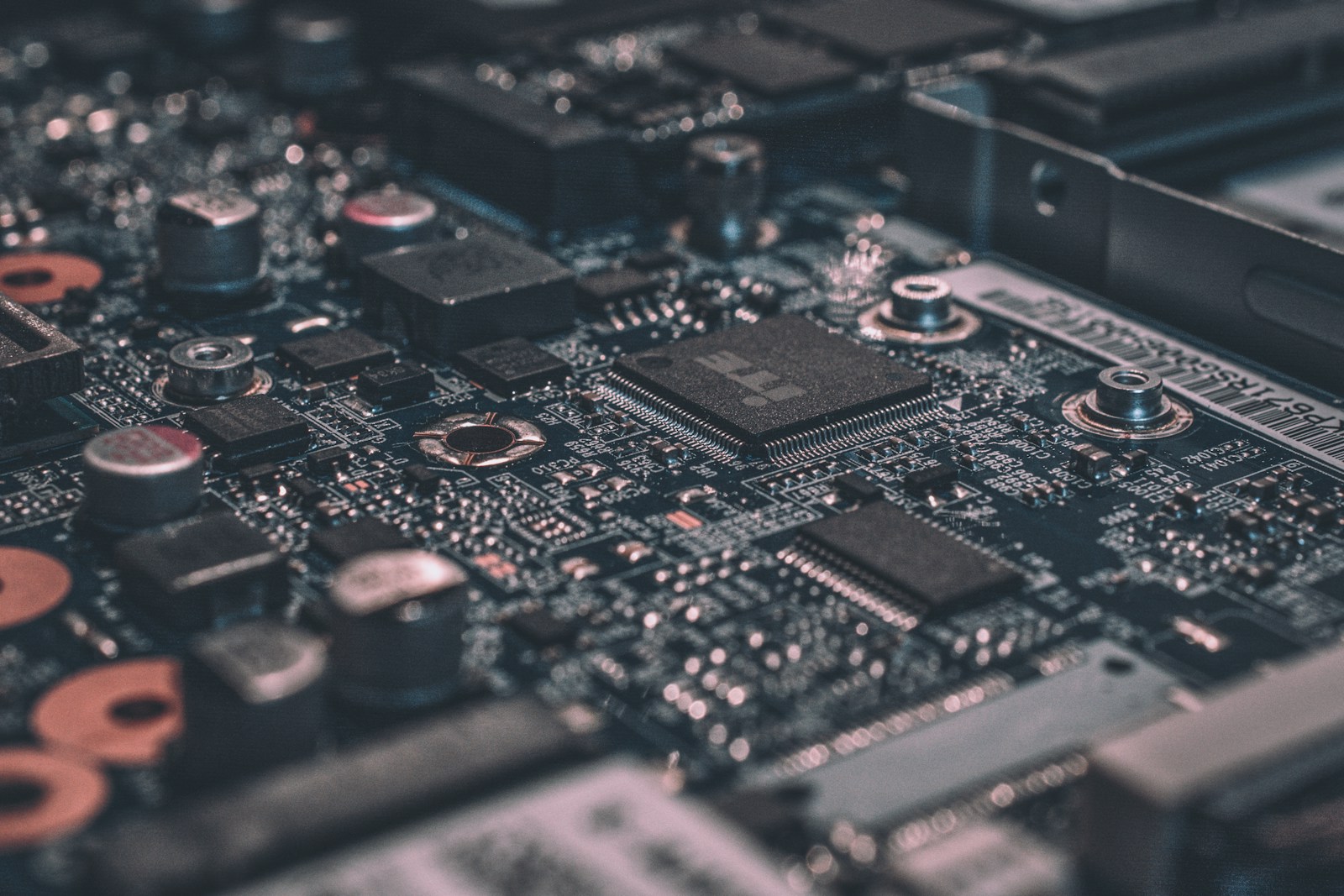
- Surface Mount Technology (SMT) Engineers: Managing high-speed automated machinery that places tiny electronic components onto printed circuit boards (PCBs).
- Quality Assurance and Reliability Engineers: Ensuring electronic assemblies comply with international environmental and durability standards.
Beyond specialized engineering, the boom has created huge demand for supply chain planners, cleanroom facility managers, and assembly line operators across Tier-2 and Tier-3 talent pools.
Key Challenges: Skilling and Supply Chains
Despite rapid expansion, the Indian electro-tech sector faces critical hurdles that must be overcome to sustain long-term growth.
- Deep Component Ecosystem Gaps: While assembly (Phase 1) is thriving, India still imports a significant percentage of fundamental raw components, such as raw silicon wafers, specialized chemicals, and multi-layer passive components.
- The Industry-Academia Skill Gap: Traditional university curricula often lag behind practical industry needs in automated PCB testing, advanced robotics, and cleanroom operations.
- Infrastructure and Power Reliability: Semiconductor fabrication demands uninterrupted zero-surge power and millions of liters of ultrapure water daily, requiring heavy ongoing infrastructure investments.
To bridge the skill gap, government initiatives like the Electronics Sector Skills Council of India (ESSCI) and private-public partnerships with polytechnic institutes are rolling out specialized diploma programs in SMT manufacturing and VLSI design.
How Young Professionals Can Capitalize on This Wave
For students, early-career engineers, and working professionals looking to transition into hardware engineering, deliberate upskilling is essential:
- Master Core Tools: Gain proficiency in EDA (Electronic Design Automation) software such as Cadence, Synopsys, Altium Designer, and KiCad.
- Learn Embedded C and C++: Build practical projects using microcontrollers like STM32, ESP32, or FPGA development boards.
- Pursue Targeted Certifications: Enroll in specialized certifications covering PCB design standards (IPC standards), VLSI system verification, or industrial automation.
- Participate in Hardware Hackathons: Join open-source hardware communities and build physical prototypes rather than purely software applications.
Frequently Asked Questions (FAQs)
1. What is driving the sudden growth of electronics manufacturing in India?
The combination of government financial incentives (PLI schemes), global diversification strategies by multinational corporations, and India's growing domestic consumer market for smartphones, appliances, and EVs are the primary drivers.
2. Is software coding still relevant in the electro-tech sector?
Yes, software skills remain critical. Hardware requires embedded firmware, device drivers, and real-time operating systems (RTOS), making embedded software engineers indispensable to the electro-tech ecosystem.
3. Which engineering branches benefit most from the electro-tech boom?
Graduates in Electronics and Communication Engineering (ECE), Electrical and Electronics Engineering (EEE), Mechanical Engineering (for structural design and thermal management), and Mechatronics are in particularly high demand.
Conclusion
India’s electro-tech sector is undergoing a generational upgrade. As assembly lines turn into full-fledged research, design, and fabrication ecosystems, the country is proving its capability to build hardware for the world. For young engineers and industry workers, aligning skills with this physical technology movement offers a resilient and highly rewarding career path.
Support creators
Enjoyed this deep dive into India's tech ecosystem? Support independent tech journalism by tipping the writer on ContentVerse India.
Was this helpful?
Your feedback helps us improve content for everyone.
Liked this piece?
Tip Dhananjay for the work
100% goes to the creator. Send a one-time tip in rupees and back the writing you love.
Dhananjay Singh
0 followers · 0 blogs
Creator on ContentVerse. Building, writing, and shipping in public.
0 followers
Discussion