
Is HR Rejecting WFH During Medical Emergencies Legal in India?
A viral story about an Indian software engineer denied remote work post-knee surgery sparked national debate over workplace rights. Here is a deep dive into Indian labor laws, sick leave entitlements, and legal remedies when HR refuses WFH during medical crises.
Reading this article: 0s
News in 60 words
~150-word AI digest in one read
Thesis, bullets, quote & takeaway — slogan stays "60 words"
1h ·5 min read· 0 · 0 · 0
Full story
The Viral Controversy: When Medical Crises Meet Corporate Policy
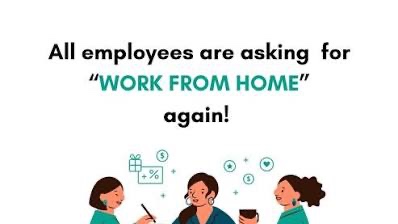
A software developer in Bengaluru recently made headlines after sharing a heartbreaking experience: following knee surgery, their HR department rejected a temporary Work From Home (WFH) request. Despite producing medical certificates from orthopedic surgeons advising non-weight-bearing recovery, the employer insisted on physical presence or taking unpaid leave.
This incident resonated with thousands of tech professionals across Indian IT hubs like Hyderabad, Pune, Gurugram, and Chennai. With hybrid work policies tightening and companies mandating 3 to 5 days of office attendance, Indian professionals face a crucial question: Do employees have a legal right to WFH during medical emergencies in India?
The Legal Reality: Is There a Statutory 'Right to WFH' in India?
Under current Indian labor legislation, there is no blanket statutory right that forces an employer to provide Work From Home to general corporate employees. However, the legality of an HR rejection depends heavily on contract terms, local statutory leave entitlements, and disability protection acts.
Here is how Indian labor laws regulate remote work and medical accommodations:
1. The Shops and Establishments Act
Most IT and software companies in India are registered under their respective state's Shops and Establishments Act (e.g., Karnataka Shops and Commercial Establishments Act, 1961).
- Sick Leave Mandate: These acts strictly mandate paid medical/sick leave (typically 12 days per year, depending on the state).
- Employer Obligation: While the Act guarantees paid sick leave, it does not explicitly mention WFH. HR can legally ask you to take sick leave instead of working remotely, provided you have accrued leave balance.
2. SEZ Regulations and Remote Work Frameworks
For companies operating within Special Economic Zones (SEZs), the Ministry of Commerce and Industry amended Rule 43A of the SEZ Rules, 2006. This framework permits up to 100% WFH for employees who are temporarily incapacitated due to illness or physical disability.
While this rule permits companies to allow WFH without losing tax benefits, it remains at the employer's discretion rather than acting as a direct employee entitlement.
Disability Laws: When Medical WFH Rejections Become Illegal
Where HR departments often overstep legal boundaries is failing to distinguish between standard medical illness and temporary physical disability.
The Rights of Persons with Disabilities (RPWD) Act, 2016
Under the RPWD Act, 2016, Indian law recognizes both permanent and temporary physical impairments. Section 3 of the Act requires employers (both public and private) to provide "Reasonable Accommodation" to employees with disabilities.
- Reasonable Accommodation: Defined as necessary and appropriate modifications that do not impose a disproportionate burden on the employer.
- Medical Surgeries: If an employee undergoes surgery requiring immobility but remains mentally fit to code or perform desk duties, refusing remote work when technically feasible could be argued as a violation of reasonable accommodation principles.
Maternity Benefit (Amendment) Act, 2017
India explicitly guarantees WFH in one specific medical scenario: under Section 5(5) of the Maternity Benefit Act, employers may allow female employees to work from home post-maternity leave if the nature of the work allows it, based on mutually agreed terms.
HR Policies vs. Indian Employment Contracts
In most Indian IT majors (such as TCS, Infosys, Wipro, and Accenture), employment relationships are governed by the contract of employment and company policy handbooks.
+------------------------------------+----------------------------------+
| Employer Rights                    | Employee Entitlements            |
+------------------------------------+----------------------------------+
| Set workplace location standards   | Guaranteed paid sick leave       |
| Mandate return-to-office (RTO)     | Safe working environment         |
| Request independent medical check  | Protection against arbitrary fire|
+------------------------------------+----------------------------------+
If your employment contract explicitly states that the place of work is determined solely by the management, HR can technically deny WFH. However, forcing an employee with a serious medical condition to commute—risking further physical damage—can expose the company to legal liability under common law negligence.
Practical Steps: What To Do If HR Rejects Your Medical WFH
If you find yourself facing physical health issues and HR refuses your WFH request, take the following strategic steps:
- Obtain Detailed Medical Certification: Secure a formal medical note from a registered practitioner (MBBS/MS/MD) clearly stating that travel or office mobility will worsen your condition, while desk work at home is safe.
- Submit a Formal Written Request: Send an email copying your immediate manager, project lead, and HR business partner. Explicitly mention that you are willing and able to fulfill all deliverables remotely.
- Request Paid Sick Leave First: If HR rejects WFH, demand your statutory paid sick leave. An employer cannot force you to resign or take unpaid leave if you have accrued paid sick leave days.
- Escalate to the Internal Grievance Cell: Submit a representation to the company's internal grievance panel or Ombudsman, citing employee health and safety guidelines.
- Approach the State Labour Commissioner: Non-managerial employees (classified as 'workmen' under the Industrial Disputes Act) can file a formal complaint with the local Labour Officer for unfair labor practices or denial of medical leave benefits.
Conclusion: The Path Ahead for IT Labor Reform
While HR rejecting WFH during medical recovery may not technically violate standard Indian labor laws in every instance, it highlights the desperate need to modernize regulations. As India's tech ecosystem expands, aligning workplace policies with empathy and the RPWD Act is vital for retaining skilled software engineering talent.
Frequently Asked Questions
Can my employer terminate me for requesting WFH after surgery?
No. Terminating an employee solely for requesting medical accommodation or taking statutory sick leave is considered wrongful termination under state Shops and Establishments Acts and the Industrial Disputes Act.
Does an employer have to pay full salary during medical leave?
Yes, as long as you have accrued paid sick leave balance under company policy and local labor laws. Once paid sick leave is exhausted, an employer may place you on Leave Without Pay (LWP).
Are software developers covered under Indian labor courts?
Software developers in non-managerial or non-supervisory roles qualify as 'workmen' under the Industrial Disputes Act, giving them the right to approach Labour Courts for arbitrary disputes.
Support creators
If you found this legal guide helpful for navigating Indian workplace rights, consider tipping the author on ContentVerse India to support independent tech journalism.
Was this helpful?
Your feedback helps us improve content for everyone.
Liked this piece?
Tip Dhananjay for the work
100% goes to the creator. Send a one-time tip in rupees and back the writing you love.
Dhananjay Singh
0 followers · 0 blogs
Creator on ContentVerse. Building, writing, and shipping in public.
0 followers


Discussion