
Meta Safe Harbor At Risk: What India's Legal Crisis Means for Big Tech
Meta faces an unprecedented legal showdown in India as compliance deadlines threaten its statutory intermediary status under Section 79 of the IT Act. If safe harbor protections are revoked, Big Tech platforms could face direct civil and criminal liability for user-generated content across the country.
Reading this article: 0s
News in 60 words
~150-word AI digest in one read
Thesis, bullets, quote & takeaway — slogan stays "60 words"
1h ·6 min read· 0 · 0 · 0
Full story
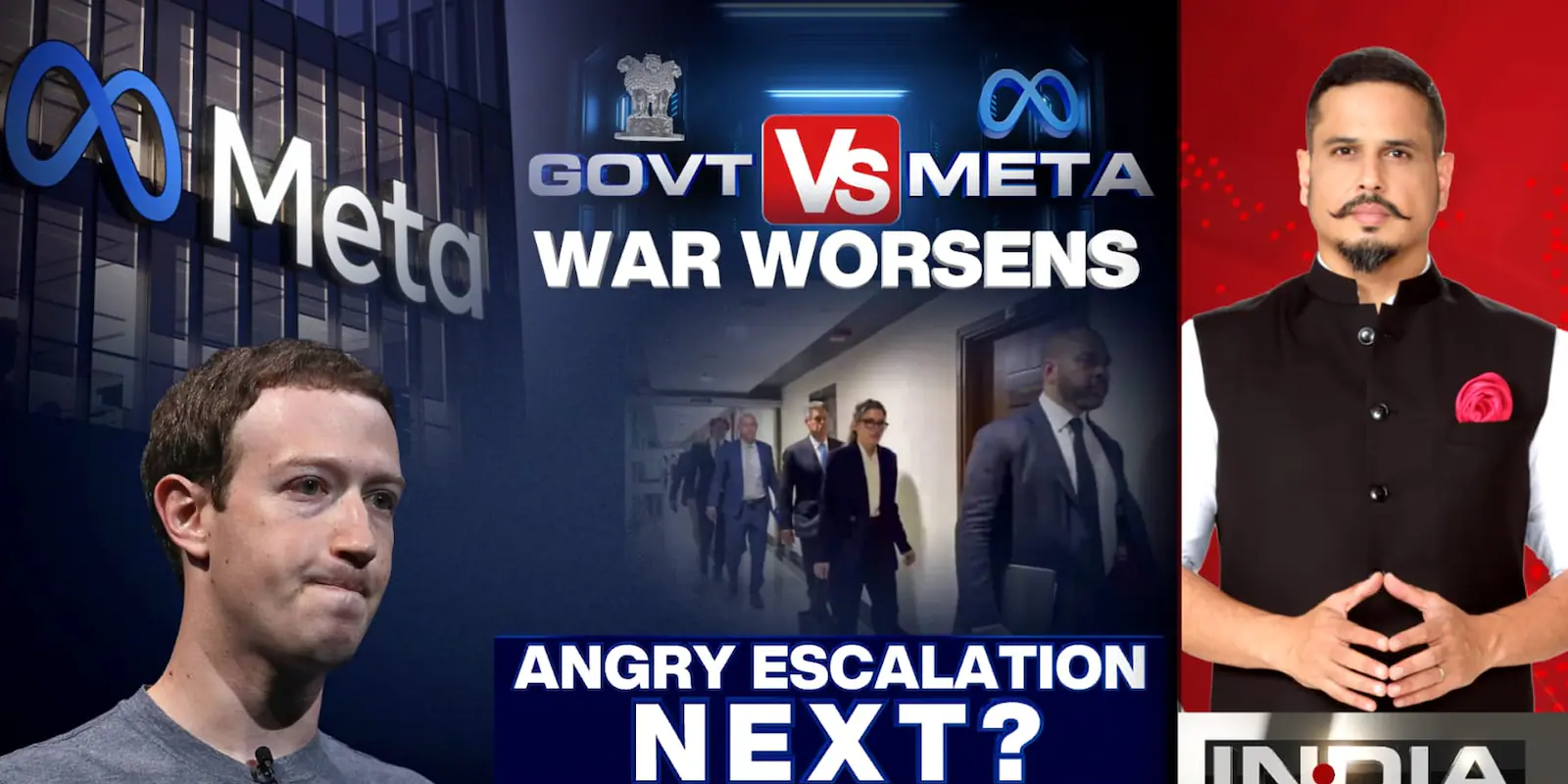
In a high-stakes showdown that could redefine the Indian internet landscape, Meta finds itself facing a critical 72-hour legal deadline from Indian authorities and judicial bodies. At the heart of this crisis is the potential loss of statutory safe harbor protection—a crucial legal shield under Section 79 of India's Information Technology (IT) Act, 2000. For over two decades, this provision has ensured that platforms like Facebook, Instagram, and WhatsApp are not held legally liable for the content posted by their millions of users.
However, persistent regulatory friction over deepfakes, algorithmic amplification, and delayed takedown compliance has pushed Indian regulators to a breaking point. If Meta loses its safe harbor status, the legal precedent will reverberate across the global technology ecosystem, fundamentally altering how social platforms operate in their largest market by user base.
Understanding Safe Harbor Under Section 79 of India's IT Act
To appreciate the gravity of the current moment, one must understand how Section 79 functions. In simple terms, Section 79 acts as a legal firewall. It classifies platforms as intermediaries, insulating them from civil and criminal prosecution for illegal, defamatory, or copyright-infringing content uploaded by third parties.
However, this protection is not absolute. Under the IT (Intermediary Guidelines and Digital Media Ethics Code) Rules, 2021, safe harbor is conditional upon strict due diligence. Platforms must adhere to mandatory guidelines, including:
- Strict Takedown Timelines: Removing flagged content within statutory windows (often 24 to 36 hours of notification).
- Resident Compliance Officers: Appointing dedicated Chief Compliance Officers, Grievance Officers, and Nodal Contact Persons residing in India.
- Monthly Compliance Reporting: Publishing detailed operational metrics regarding complaints received and actions taken.
If a platform fails to exercise this due diligence, Section 79 protection evaporates, exposing the company and its executives to direct prosecution under Indian law.
The Trigger: Why Meta Faces Immediate Legal Exposure
The immediate legal pressure stems from a series of compliance lapses and growing concern from the Ministry of Electronics and Information Technology (MeitY). Courts in New Delhi and Mumbai have increasingly questioned Meta’s enforcement efficiency regarding misinformation, financial scams, and manipulated media.
1. Deepfakes and Synthetic Media
The rapid rise of AI-generated deepfakes targeting public figures and retail investors has forced Indian authorities to take a aggressive posture. Regulators argue that active recommendation algorithms push harmful synthetic media faster than manual moderation teams can flag them.
2. Financial Scams and Fake Ads
Indian digital consumers lost over ₹7,000 crore to cyber fraud in recent years, much of it originating from deceptive sponsored ads on Instagram and Facebook. Litigants argue that because Meta accepts ad revenues (in ₹ INR) for publishing these promotions, it acts as a publisher rather than a neutral intermediary.
3. Takedown Non-Compliance
The current 72-hour deadline represents a crucial ultimatum. Failure to satisfy court orders and government notices within designated windows strips the platform of its intermediary immunity for specific content categories.
The Ripple Effect on Indian Digital Marketers and Tech Founders
For Indian tech startups, agency owners, and digital creators, Meta’s regulatory troubles carry immediate operational consequences. The platform ecosystem is deeply embedded in India's digital economy, from hyperlocal WhatsApp Business API workflows to performance marketing on Instagram.
- Escalating Ad Verification Costs: Meta will likely introduce stringent advertiser verification protocols in India. Small businesses may face extended review times and higher onboarding documentation requirements.
- Precedential Threat to Indian Platforms: If the judiciary strips Meta of safe harbor, domestic SaaS platforms, community apps (such as Koo or ShareChat), and discussion forums will face the same legal bar. Compliance costs for early-stage startups could rise sharply.
- Risk of Direct Platform Restrictions: Severe non-compliance could lead to localized feature restrictions, ISP throttling, or heavy monetary penalties, interrupting digital marketing campaigns.
Legal Precedents: How Indian Courts Are Viewing Intermediaries
Indian jurisprudence around intermediary liability has evolved significantly since the landmark Shreya Singhal v. Union of India judgment in 2015, which established that platforms only need to take down content upon receiving actual knowledge via court orders or government notifications.
Recent orders from the Delhi High Court suggest a shift in judicial perspective. Courts are increasingly drawing a distinction between passive hosting and active algorithmic distribution. When a platform's proprietary algorithms curate, push, and monetize specific content, judges are asking whether that platform remains a passive intermediary.
This legal shift aligns with global regulatory developments, such as the European Union's Digital Services Act (DSA). However, India’s enforcement mechanism is faster and relies heavily on direct executive oversight, making the current 72-hour window a pivotal test case.
Actionable Steps for Businesses Operating in India
Given the tightening regulatory climate, business leaders and digital professionals should take practical steps to mitigate risk:
- Diversify Distribution Channels: Avoid relying solely on Meta platforms for customer acquisition. Build owned media channels, including SMS, email newsletters, and direct website infrastructure.
- Audit Paid Ad Content: Ensure all promotional materials, client testimonials, and financial claims comply strictly with ASCI (Advertising Standards Council of India) guidelines to prevent ad account suspensions.
- Review Data Governance: Tech founders building applications integrated with Meta APIs should verify that user data handling aligns with India's Digital Personal Data Protection (DPDP) Act, 2023.
Frequently Asked Questions
What happens if Meta loses safe harbor protection in India?
If safe harbor is revoked, Meta becomes legally responsible for all content published on its platforms in India. The company and its executives could face direct lawsuits and criminal proceedings for user posts, leading to potential operational disruptions or service modifications in the region.
Does this affect individual Instagram and WhatsApp users?
Individual users will not immediately lose access to their accounts. However, users may notice stricter content moderation, faster removal of flagged posts, stricter account verification processes, and potential changes to features like automated content recommendations.
How does Section 79 of the IT Act apply to small Indian startups?
Section 79 applies to all digital intermediaries in India, including forum sites, e-commerce platforms, and community apps. If judicial precedents narrow the definition of safe harbor, startups will need to allocate greater financial resources toward legal compliance and automated content moderation systems.
Conclusion
The 72-hour legal deadline confronting Meta marks a turning point for digital governance in India. As regulators demand greater accountability from global tech conglomerates, the distinction between neutral platform and active publisher continues to blur. For Indian business owners, founders, and legal professionals, staying proactive and diversifying digital infrastructure is the safest path forward in this evolving legal landscape.
Support creators
If you found this legal analysis valuable, consider tipping the author on ContentVerse India to support independent tech policy journalism.
Was this helpful?
Your feedback helps us improve content for everyone.
Liked this piece?
Tip Dhananjay for the work
100% goes to the creator. Send a one-time tip in rupees and back the writing you love.
Dhananjay Chauhan
0 followers · 0 blogs
Creator on ContentVerse. Building, writing, and shipping in public.
0 followers

Discussion