
Meta's Safe Harbor Status at Risk in India: What Users and Businesses Need to Know
Meta faces a critical legal challenge in India that risks stripping its safe harbor immunity under Section 79 of the IT Act. Here is what losing intermediary protection means for digital businesses, creators, and everyday users.
Reading this article: 0s
News in 60 words
~150-word AI digest in one read
Thesis, bullets, quote & takeaway — slogan stays "60 words"
2h ·5 min read· 1 · 0 · 0
Full story
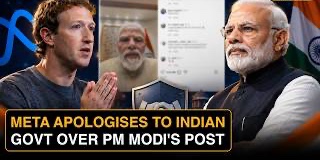
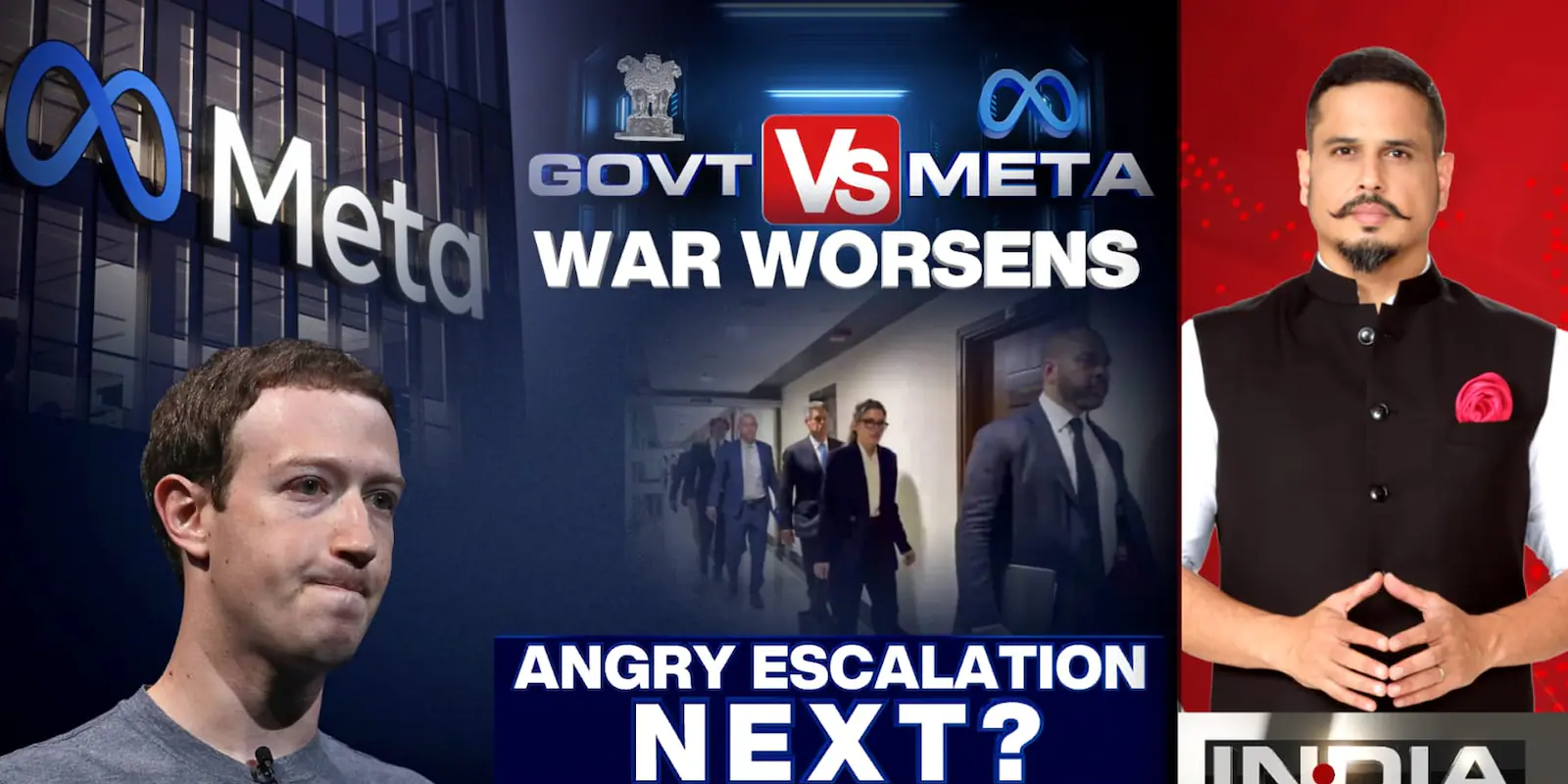
Meta is facing an unprecedented regulatory ultimatum in India that could reshape the country's digital landscape. Authorities and judicial bodies have escalated compliance requirements, placing Meta inside a strict 72-hour window to demonstrate total adherence to local content moderation mandates or risk losing its intermediary legal protection.
For nearly two decades, safe harbor status has served as the legal bedrock allowing platforms like Instagram, Facebook, and WhatsApp to scale rapidly across India. Losing this protection would fundamentally transform how social media operates in the world's largest digital market.
What is Safe Harbor Protection Under Section 79?
In India, safe harbor immunity is granted under Section 79 of the Information Technology (IT) Act, 2000. This provision shields online intermediaries from legal liability for third-party content uploaded by users, provided the platform acts merely as a conduit.
To retain this immunity, platforms must fulfill specific due diligence requirements under the Information Technology (Intermediary Guidelines and Digital Media Ethics Code) Rules, 2021. These requirements include establishing local grievance officers, publishing monthly compliance reports, and taking down unlawful content within mandated timelines upon receiving court orders or government notices.
If safe harbor is revoked, Meta ceases to be treated as a neutral platform. Instead, it becomes legally responsible for every post, comment, reel, and advertisement published across its services in India.
The 72-Hour Legal Flashpoint: Why Meta is at Risk
The current crisis stems from heightened regulatory scrutiny by the Ministry of Electronics and Information Technology (MeitY) alongside directives from Indian courts. Regulators have expressed sharp concern over the rapid spread of deepfakes, financial fraud ads, and unverified AI-generated content targeting public figures and retail investors.
Under recent notices, platforms have been given strict 72-hour deadlines to remove non-compliant content and provide detailed action plans regarding traceably originative sources. Meta's delay in addressing specific court orders has pushed regulatory patience to its limit.
Should the government or courts officially notify the stripping of Section 79 protections, Meta executives could face direct civil and criminal litigation for non-compliant user content across India.
Impact on Indian Businesses and Digital Advertisers
Indian enterprises—ranging from neighborhood direct-to-consumer (D2C) brands in Bengaluru to major e-commerce players—rely heavily on Meta's advertising ecosystem. The removal of safe harbor would create immediate friction for corporate account holders.
- Proactive Content Screening: Meta would be forced to pre-screen ads, posts, and marketing campaigns before they go live, leading to severe delays in product launches and promotional pushes.
- Increased Ad Costs: Ad management expense will likely spike. Meta will need to invest heavily in localized manual moderation centers in hubs like Gurugram and Hyderabad, passing these compliance overheads onto advertisers.
- Legal Risk for Brand Pages: Corporate Facebook pages and Instagram accounts could face instant takedowns or legal notices over customer comments or unverified user-generated reviews.
For a small brand spending ₹50,000 monthly on Instagram ads, approval delays could disrupt time-sensitive sales cycles during major Indian festive seasons.
What This Means for Content Creators and Influencers
India's bustling creator economy, valued at thousands of crores, operates heavily on Instagram Reels and YouTube. If Meta loses intermediary status, the operating parameters for creators will shift dramatically.
- Aggressive Account Suspensions: Meta's automated algorithms will become hyper-conservative, leading to higher rates of false-positive account suspensions, shadowbans, and content removals.
- Monetization Delays: Sponsored posts, affiliate marketing content, and brand partnerships will undergo stricter scrutiny to prevent deceptive marketing claims under Central Consumer Protection Authority (CCPA) guidelines.
- Comments Section Moderation: Creators may be forced to restrict comment sections or face co-liability if followers post defamatory or unlawful statements under creator posts.
Strategic Steps for Marketers and Digital Creators
Given the tightening regulatory climate in India, digital businesses and content creators must take immediate measures to insulate their online operations.
- Diversify Platform Footprint: Do not rely exclusively on Meta properties. Build strong distribution channels across LinkedIn, YouTube Shorts, X, and owned channels like email newsletters and WhatsApp Business channels.
- Audit Creative Assets: Ensure all promotional posts adhere strictly to the Consumer Protection Act rules on endorsement and AI-generated disclosure guidelines.
- Backup Account Data: Export follower list backups, transaction logs, and customer communications stored in Meta Business Suite routinely.
- Establish Active Comment Moderation: Implement custom keyword filters inside Instagram and Facebook settings to block risky phrases, financial claims, and offensive text.
Frequently Asked Questions
Will Instagram or WhatsApp be banned in India if Safe Harbor is lost?
No, losing safe harbor does not mean a platform ban. It simply means Meta can be held legally liable in court for unlawful user content published on its platforms.
Does this affect end-to-end encryption on WhatsApp?
While the core legal dispute involves platform liability, regulatory requirements around message traceability under the IT Rules 2021 remain a point of contention between Meta and the Indian government.
How soon could these changes take effect for regular users?
If courts or MeitY issue an official order revoking protection, operational changes like stricter moderation and slower ad approvals could begin within days.
Navigating the Next Phase of Digital Compliance
The ongoing legal battle highlights India's commitment to enforcing digital accountability within its borders. As Meta navigates this critical regulatory crossroads, businesses and creators must adapt by prioritizing compliance, diversifying digital assets, and staying informed on evolving local laws.
Support creators
Enjoyed this analysis? Support independent tech journalism by tipping the writer on ContentVerse India today!
Was this helpful?
Your feedback helps us improve content for everyone.
Liked this piece?
Tip Dhananjay for the work
100% goes to the creator. Send a one-time tip in rupees and back the writing you love.
Dhananjay Chauhan
0 followers · 0 blogs
Creator on ContentVerse. Building, writing, and shipping in public.
0 followers
Discussion