
Why Indian Gamers Are Moving From Casual Games to Shooter & Strategy Titles
India's mobile gaming ecosystem is witnessing a historic transformation as players transition from casual arcade apps to competitive mid-core genres. Driven by 5G rollout, affordable gaming smartphones, and frictionless UPI microtransactions, over 60 crore gamers are redefining the digital entertainment landscape.
Reading this article: 0s
News in 60 words
~150-word AI digest in one read
Thesis, bullets, quote & takeaway — slogan stays "60 words"
1h ·5 min read· 0 · 0 · 0
Full story
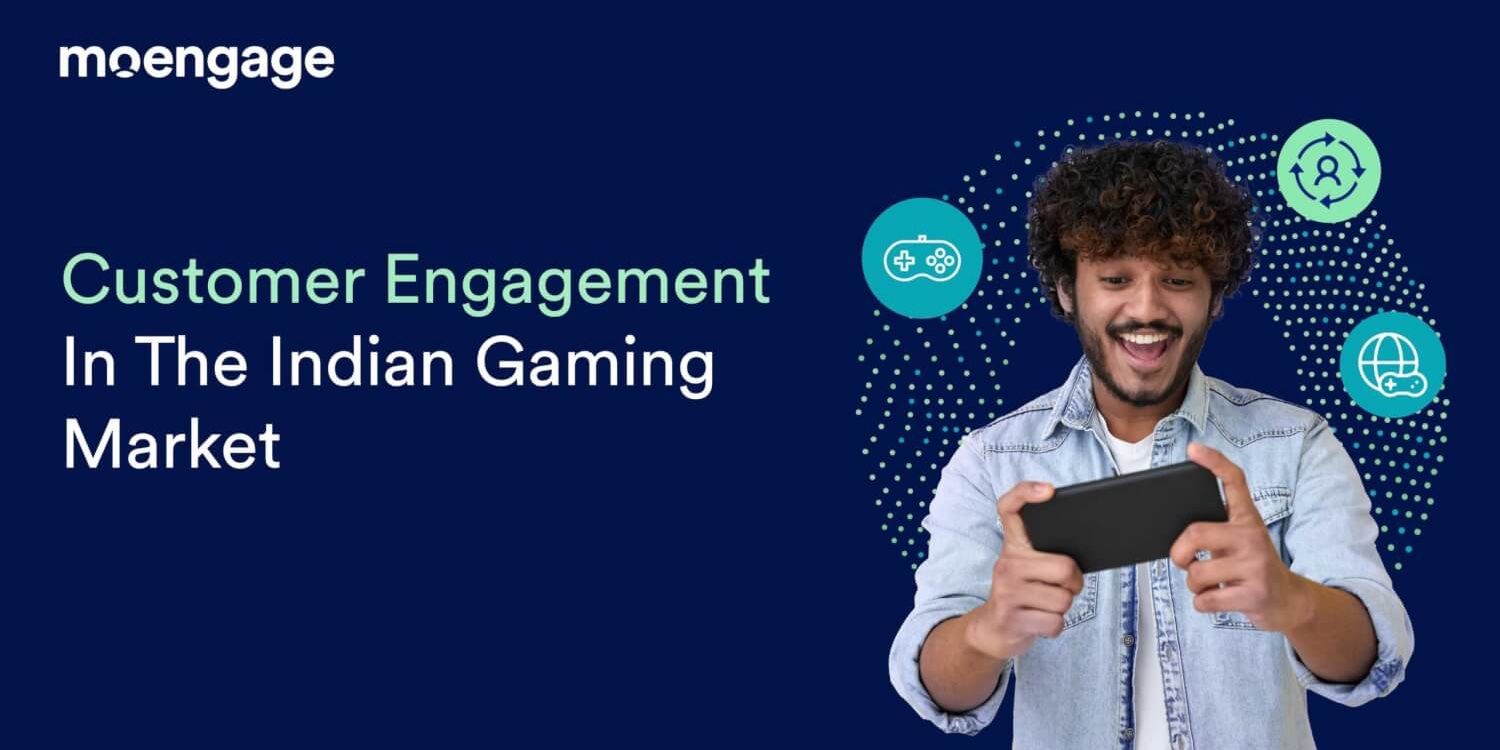
India's mobile gaming landscape is experiencing a tectonic shift. For years, hyper-casual and casual titles like Ludo King, Candy Crush, and Subway Surfers dominated smartphone screens across metro hubs and Tier-2 towns alike. However, recent industry reports show that India has logged over 1.7 billion mobile game downloads, with a massive player base of 60 crore mobile gamers rapidly migrating toward mid-core shooter and complex strategy genres.
Games like Battlegrounds Mobile India (BGMI), Free Fire MAX, Call of Duty: Mobile, and Clash of Clans are no longer niche competitive apps—they are mainstream cultural phenomena. Indian gamers are spending more time mastering spray patterns, organizing guild tactics, and communicating over voice channels than ever before. Understanding the key drivers behind this digital migration highlights how technology, social habits, and economic access are converging in India.
The 5G Expansion and Hardware Democratization
The fundamental catalyst for this shift lies in hardware accessibility and network connectivity. Mid-core shooter and real-time strategy games require high frame rates, low latency (ping), and strong graphical processing—requirements that were previously out of reach for average smartphone users.
Over the past three years, two major shifts have permanently altered this landscape:
- Affordable Gaming Smartphones: Brands like iQOO, POCO, Realme, and Xiaomi have introduced devices priced between ₹12,000 and ₹20,000 featuring high-refresh-rate displays (90Hz to 120Hz) and capable chipsets like the MediaTek Dimensity 7000 series or Snapdragon 7-series processors.
- Pan-India 5G Networks: The aggressive rollout of 5G by Jio and Airtel across non-metro hubs like Indore, Jaipur, Patna, and Kochi has reduced latency significantly, making real-time multi-player combat smooth and responsive.
When high-performance gaming hardware becomes affordable for middle-class households, casual games lose their exclusive dominance. Players naturally seek visually rich and mechanically challenging experiences once their hardware allows it.
The Evolution of Social Gaming and Esports Culture
Unlike casual games, which are typically single-player or turn-based experiences played during quick breaks, mid-core shooters and strategy games act as virtual community hubs. For millions of Indian youths in cities like Pune, Lucknow, and Bengaluru, logging into a squad match is the modern equivalent of meeting at a local tea stall or sports ground.
The Squad Mechanism and Voice Chat
In-game squad mechanics foster teamwork and camaraderie. Gamers create dedicated Discord servers, WhatsApp groups, and college clans to coordinate daily practice sessions. Tactical coordination in games like BGMI or squad-building in Clash of Clans creates strong social retention that casual games cannot replicate.
The Influence of Live Streaming and Esports
Platforms like YouTube Gaming, Loco, and Rooter have turned competitive players into household names. Tournament circuits like the Battlegrounds Mobile India Series (BGIS) offer prize pools running into crores of rupees. Watching local esports athletes compete for life-changing financial rewards inspires casual mobile users to transition into competitive players aiming for mastery.
Frictionless Payments via UPI Microtransactions
Historically, Indian gamers were hesitant to make in-game purchases due to low credit card penetration and complex payment gateways. The integration of Unified Payments Interface (UPI) apps like PhonePe, Google Pay, and Paytm directly into mobile app stores has fundamentally transformed consumer behavior.
Publishers have tailored their pricing strategies specifically for the Indian market:
- Micro-Tier Bundles: In-game currency packs priced as low as ₹29 or ₹79 allow players to buy weapon skins, emotes, or battle passes without financial strain.
- Status and Personalization: In tactical shooters and strategy games, cosmetic items act as digital status symbols within a gamer's social circle.
As the friction around digital spending disappeared, players developed deeper emotional and financial investments in their game accounts, further locking them into mid-core ecosystems rather than disposable casual apps.
Cognitive Satisfaction: Depth, Mastery, and Strategy
Casual games operate on quick dopamine loops—tap a button, match three gems, or roll a digital die. While entertaining, these loops eventually cause player fatigue. Mid-core titles offer deep learning curves that appeal directly to competitive instincts.
- Mechanical Skill Development: Mastering recoil control, reaction speed, and spatial awareness in shooter titles delivers a genuine sense of personal progression.
- Strategic Thinking: Games like Clash Royale or Rise of Kingdoms require resource management, long-term planning, and adaptability under pressure.
- High Stakes Gameplay: Winning a 20-minute battle royale match against 99 other real players offers a level of adrenaline that no single-player arcade game can match.
As Indian gamers mature digitally, the appetite for strategic depth naturally outweighs simple pastime mechanics.
What This Means for the Indian Gaming Ecosystem
This migration toward complex genres is reshaping the domestic gaming economy. Domestic game development studios in Bengaluru and Hyderabad are shifting focus from hyper-casual clones to building culturally resonant mid-core titles. Game releases like Indus Battle Royale highlight how local developers are catering directly to Indian gamers seeking high-end shooter experiences infused with Indian lore.
Furthermore, global publishers now view India as a strategic growth engine rather than just a high-volume, low-revenue market. Average Revenue Per User (ARPU) is rising steadily as engagement hours expand, turning India into a core market for competitive gaming global investments.
Frequently Asked Questions (FAQs)
What are the most popular mid-core mobile games in India right now?
Battlegrounds Mobile India (BGMI), Free Fire MAX, Call of Duty: Mobile, Clash of Clans, and Clash Royale lead the rankings in active daily users and community engagement.
Do I need a high-end flagship phone to play mid-core shooter games?
No. Most mid-core games are heavily optimized for budget devices. Modern smartphones priced under ₹18,000 can comfortably run games like BGMI or Free Fire MAX at 60 FPS on medium-to-smooth graphics settings.
How does playing mid-core games impact mobile data usage?
While downloading these games requires large initial files (1 GB to 3 GB), actual online multiplayer gameplay uses relatively little data—typically between 15 MB to 50 MB per hour. A standard daily 5G data plan easily covers regular play.
Conclusion
The movement of 60 crore Indian mobile gamers from casual pastimes to tactical shooter and strategy games reflects the maturity of India's digital audience. Powered by high-speed 5G, budget gaming hardware, direct UPI micro-payments, and a booming esports culture, gaming in India has evolved from simple distraction to serious competition and community connection.
Support creators
If you enjoyed this deep dive into Indian tech and gaming trends, consider tipping the writer on ContentVerse India to support independent digital journalism.
Was this helpful?
Your feedback helps us improve content for everyone.
Liked this piece?
Tip Dhananjay for the work
100% goes to the creator. Send a one-time tip in rupees and back the writing you love.
Dhananjay Singh
0 followers · 0 blogs
Creator on ContentVerse. Building, writing, and shipping in public.
0 followers
Discussion