
Why Zudio and Reliance Trends Are Winning Tier-2 India
Discover how affordable fast-fashion giants like Zudio and Reliance Trends are transforming retail habits across Tier-2 and Tier-3 Indian cities with trendy clothing under ₹999.
Reading this article: 0s
News in 60 words
~150-word AI digest in one read
Thesis, bullets, quote & takeaway — slogan stays "60 words"
2h ·4 min read· 0 · 0 · 0
Full story
Introduction: The New Retail Revolution Beyond Metros
Walk into any bustling commercial high street in cities like Indore, Lucknow, Vadodara, or Patna on a Saturday evening, and you will notice a massive shift in consumer behavior. Long gone are the days when branded fashion was an exclusive luxury reserved for metropolitan elites shopping at Mumbai’s Palladium or Delhi’s Select Citywalk. Today, the most vibrant retail energy pulses through Tier-2 and Tier-3 India.
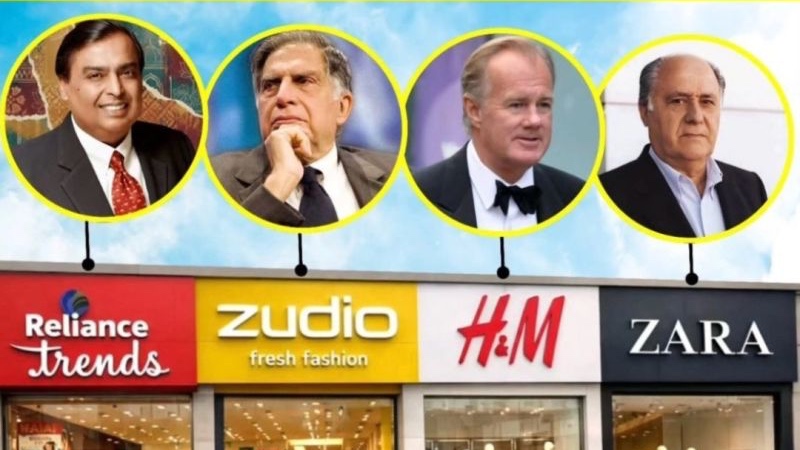
At the forefront of this transformation are home-grown fast-fashion behemoths: Tata's Zudio and Reliance Retail's Trends. These brands are not merely selling clothes; they are democratizing style. By offering trendy apparel at astonishingly low price points—often under ₹999—they have tapped into an aspirational, young demographic that wants global trends without local compromises.
Why is this retail phenomenon happening right now, and how are these giants rewriting the rules of Indian commerce? Let us dive into the economics and psychology driving small-town India's shopping carts.
The Rise of Aspirational Small-Town Consumers
India's smaller cities are witnessing a structural economic shift. Improved high-speed internet connectivity via Jio and Airtel, rising disposable incomes, and the widespread exposure to global fashion trends through Instagram and YouTube have altered what consumers expect from their wardrobes.
Young professionals, college students, and homemakers in cities like Jaipur and Coimbatore no longer want to settle for unorganized local market apparel that lacks consistent quality and sizing. They want the modern retail experience: air-conditioned stores, well-organized sections, trial rooms, and fresh inventory drops every single week.
- Digital Influence: Social media algorithms serve the exact same fashion aesthetics to a Gen-Z user in Gorakhpur as they do to someone in Bangalore.
- Lifestyle Shifts: The proliferation of modern malls and high-street complexes provides families with a complete weekend leisure destination rather than just a shopping trip.
Value Engineering: How Zudio and Trends Keep Prices Low
To capture Tier-2 markets, pricing is everything. A garment priced at ₹1,499 might trigger hesitation, but a trendy top or denim jacket tagged at ₹499 or ₹799 creates an impulse-buy loop. Achieving these margins requires masterclass supply chain engineering.
Both Tata and Reliance leverage massive economies of scale. By utilizing domestic sourcing hubs in Tirupur, Surat, and Ludhiana, they bypass expensive international shipping logistics. Furthermore, their store formats are designed for operational efficiency.
[Sourcing Hubs: Tirupur/Surat] ➔ [Direct-to-Store Supply Chain] ➔ [Minimalist Store Design] ➔ [High Volume, Low Margin Sales]
Zudio, for instance, relies on a minimalist store layout with concrete floors, bright overhead lighting, and self-service racks. This slashes interior fit-out costs and reduces the number of floor staff required, passing those savings directly to the consumer.
The Store Experience: Redefining Retail Real Estate
Historically, shopping in non-metro cities meant navigating crowded, chaotic wholesale bazaars where bargaining was mandatory and exchange policies were non-existent. Zudio and Reliance Trends have completely upended this experience by introducing standardized, premium retail architecture to smaller pin codes.
When a family walks into a Reliance Trends outlet in a city like Bhubaneswar, they encounter dedicated zones for men, women, kids, and ethnic wear, complete with clean digital billing counters supporting UPI payments via PhonePe and Google Pay. This builds immense trust and brand loyalty.
- Family-Centric Approach: While Zudio leans heavily into ultra-fast, trendy fast fashion for college youth, Reliance Trends caters broadly to multi-generational family shopping needs.
- Location Strategy: These brands occupy prime real estate, often anchoring upcoming neighborhood malls or prominent highway-adjacent plazas, making them easily accessible by two-wheelers and autos.
Challenges and the Road Ahead
Despite their runaway success, operating in Tier-2 and Tier-3 India comes with distinct hurdles. Real estate acquisition in high-footfall areas can be fiercely competitive. Additionally, maintaining uniform quality control across hundreds of expanding franchise and company-owned stores requires robust logistical backbones.
Yet, the momentum is unstoppable. Regional competitors and international players are watching closely as these domestic giants capture market share that legacy department stores failed to penetrate. For the Indian consumer, this means one thing: unbeatable style at unprecedented value.
Frequently Asked Questions
What is the average price range of clothing at Zudio?
Most clothing items at Zudio range between ₹299 and ₹999, making it one of the most budget-friendly organized fashion brands in India.
How does Reliance Trends differ from Zudio?
While both are budget-friendly, Zudio focuses primarily on ultra-fast, trendy fast-fashion for youth and casual wear. Reliance Trends offers a wider selection of formal wear, ethnic collections, and diverse in-house brands catering to entire families.
Are these clothes durable despite the low price?
Yes, both brands maintain standardized quality checks through large-scale manufacturing, offering much better durability and consistency than unorganized local markets.
Conclusion: A Permanent Shift in Indian Retail
The dominance of Zudio and Reliance Trends in Tier-2 India signals a permanent maturation of the country's retail landscape. By combining international design aesthetics with aggressive value pricing and world-class store experiences, these brands have unlocked the true potential of Bharat. As small-town consumption continues to accelerate, the future of Indian fashion will undeniably be written outside the metros.
Support creators
If you enjoyed this retail deep-dive, consider tipping our writers on ContentVerse India to support independent publishing.
Was this helpful?
Your feedback helps us improve content for everyone.
Liked this piece?
Tip Dhananjay for the work
100% goes to the creator. Send a one-time tip in rupees and back the writing you love.
Dhananjay Singh
0 followers · 0 blogs
Creator on ContentVerse. Building, writing, and shipping in public.
0 followers

Discussion