
AI in Indian Higher Education: Top Tools and Trends for College Students
Discover how artificial intelligence is transforming academic life across Indian universities and colleges. Learn about top tools, ethical guidelines, and strategies for student success.
Reading this article: 0s
News in 60 words
~150-word AI digest in one read
Thesis, bullets, quote & takeaway — slogan stays "60 words"
3h ·5 min read· 0 · 0 · 0
Full story
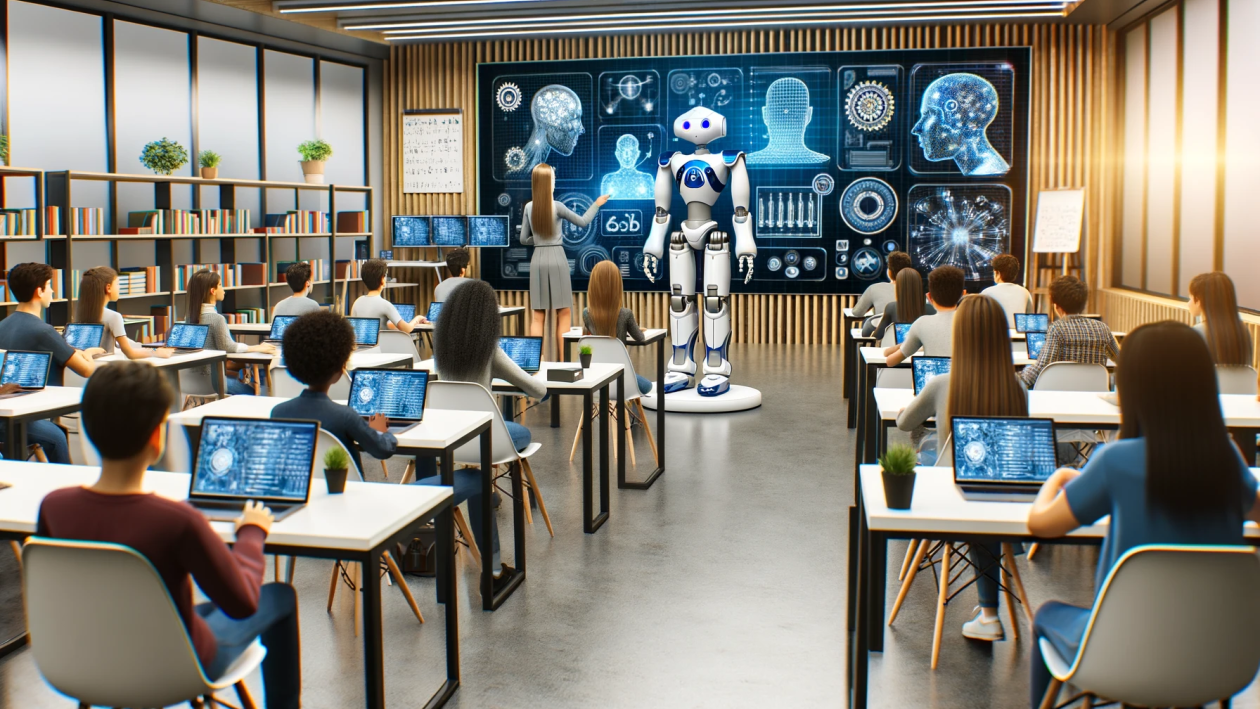
Artificial intelligence is no longer a futuristic concept discussed only in Silicon Valley boardrooms; it has firmly arrived in the lecture halls and hostels of Indian higher education. From Delhi University to IIT Bombay and tier-2 engineering colleges in Coimbatore, students are embracing generative AI tools to assist with daily learning. As recently highlighted by The Times of India, Indian academic institutions are witnessing a massive shift in how students approach research, programming, and essay preparation. Adapting to this wave requires understanding both the potential benefits and the boundaries of using AI responsibly.
Why AI Adoption is Surging in Indian Campuses
The academic pressure in India is intense, with millions competing for limited placements and advanced degrees. College students face heavy syllabi, rigorous continuous assessments, and the perpetual race to build a competitive resume. AI tools step in as personalized teaching assistants that are available 24/7 without the ₹500 to ₹1,000 per hour cost of traditional private tutors. Whether a student in Bengaluru is trying to grasp complex quantum physics concepts or a commerce student in Kolkata is analyzing financial modeling spreadsheets, AI bridges the gap between classroom teaching and independent comprehension.
Furthermore, the proliferation of affordable high-speed 5G internet across tier-2 and tier-3 cities has democratized access to advanced language models. Students who previously lacked access to premium educational resources can now consult state-of-the-art algorithms for instant clarification on difficult topics. This technological leap levels the playing field for ambitious undergraduates preparing for competitive exams like GATE, CAT, or UPSC alongside their regular university curriculum.
Essential AI Tools for Academic Success
Navigating the sea of available software can be overwhelming for undergraduate and postgraduate students. Selecting the right platform depends on your specific academic needs. Here are the most effective tools currently utilized across Indian campuses:
- Research and Summarization: Tools like Perplexity AI and Consensus help students find peer-reviewed papers, extract key findings, and cite sources accurately without hallucinating data.
- Coding and Development: GitHub Copilot and ChatGPT assist computer science students in debugging C++ or Python code, explaining complex algorithms line by line.
- Language and Writing Enhancement: Grammarly and QuillBot aid students whose first language may not be English in structuring essays and drafting research papers with academic rigor.
- Note-Taking and Flashcards: Otter.ai and Quizlet transform lengthy lecture recordings into organized revision notes and active recall tests.
Integrating these tools requires developing prompt engineering skills. Instead of asking generic questions, successful students use structured prompts that specify the academic context, target audience, and desired output format.
The Shift Toward AI Literacy in the Curriculum
University administrations across India are moving away from outright bans on artificial intelligence toward proactive integration. Professors in states like Karnataka and Maharashtra are redesigning assignments to test critical thinking rather than rote memorization. Instead of asking students to write a basic summary of a historical event—a task an LLM can complete in seconds—assessments now require personal reflections, localized data collection, or critical analysis of AI-generated arguments. This pedagogical shift ensures that graduates from Indian institutions are genuinely industry-ready in an automation-driven job market.
Many institutions are also introducing certificate courses in AI literacy, data ethics, and machine learning fundamentals. These programs teach students not just how to prompt an AI, but how underlying neural networks process information, recognize bias, and generate outputs. By understanding these mechanics, students can better evaluate the limitations of automated systems in their professional careers.
Navigating Academic Integrity and Ethics
While AI offers undeniable advantages, it introduces severe risks regarding academic dishonesty and plagiarism. Most Indian universities have updated their anti-ragging and examination bylaws to include strict penalties for uncredited AI usage in thesis submissions. Plagiarism checkers like Turnitin now feature AI detection algorithms capable of flagging synthetic text.
- Verify Every Fact: Generative models often invent statistics or reference non-existent research papers. Always cross-check claims with physical library books or verified academic databases like JSTOR.
- Use AI as a Co-Pilot: Let artificial intelligence help you brainstorm, outline, or explain difficult theorems, but write the final prose in your own authentic voice.
- Declare Usage: If an assignment permits AI tools, maintain a transparency log detailing which prompts and platforms were utilized during your research process.
Failing to maintain transparency can lead to disciplinary committees, grade penalties, or delayed degree conferral. Cultivating ethical habits early protects your academic reputation.
Frequently Asked Questions
Can my college penalize me for using ChatGPT on assignments?
Yes, if you submit AI-generated text as your own original work without proper attribution or in violation of your department's specific honor code. Always consult your course syllabus or professor before integrating generative tools into assessed coursework.
Are free AI tools sufficient for undergraduate research?
Free tiers of platforms like ChatGPT, Claude, and Perplexity are generally sufficient for undergraduate needs such as brainstorming and basic explanation. However, dedicated academic databases and institutional subscriptions remain essential for rigorous postgraduate thesis work.
How can I prove my code or essay is original if AI detection tools produce false positives?
Maintaining version control histories in Git, saving rough drafting notes in Google Docs, and keeping an audit trail of your research steps can help demonstrate your authentic creative process to disciplinary committees.
Conclusion
Artificial intelligence is a powerful amplifier of human capability, not a substitute for genuine intellectual curiosity. For Indian college students, mastering these tools while maintaining rigorous ethical standards is the key to thriving in tomorrow's workforce. Embrace AI to learn faster, question deeper, and build innovative solutions for local and global challenges.
Support creators
Show your appreciation for this article by tipping the author on ContentVerse India.
Was this helpful?
Your feedback helps us improve content for everyone.
Liked this piece?
Tip Dhananjay for the work
100% goes to the creator. Send a one-time tip in rupees and back the writing you love.
Dhananjay Singh
0 followers · 0 blogs
Creator on ContentVerse. Building, writing, and shipping in public.
0 followers


Discussion