
How Bata India Replaced Agencies With AI: A Marketing Shift Explained
Discover how legacy footwear giant Bata India transitioned from traditional advertising agencies to an in-house, AI-driven marketing model. Learn what this means for the future of Indian retail and digital campaigns.
Reading this article: 0s
News in 60 words
~150-word AI digest in one read
Thesis, bullets, quote & takeaway — slogan stays "60 words"
2h ·5 min read· 0 · 0 · 0
Full story
The Shift from Mad Men to Machines
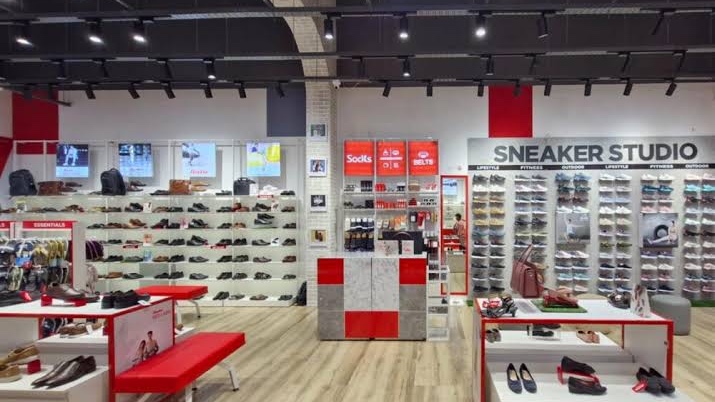
For decades, legacy consumer brands in India operated on a familiar playbook. When a festive season like Diwali or the back-to-school rush approached, marketing heads in Gurugram or Mumbai would brief their roster of traditional creative agencies. Months of brainstorming, expensive celebrity shoots, and prolonged feedback loops followed before a single billboard or TV commercial hit the market. Today, that traditional pipeline is facing an unprecedented disruption, spearheaded by one of India's most trusted footwear icons: Bata India.
Bata India's aggressive pivot toward an AI-driven marketing and creative model has sent ripples through the Indian advertising ecosystem. By cutting down dependency on external agencies for everyday asset creation, localized campaigns, and performance marketing, the brand is redefining speed and agility in retail. This structural evolution is not merely about cost-cutting; it represents a fundamental rethinking of how brands communicate with a digital-first Indian consumer base across Tier-1, Tier-2, and Tier-3 cities.
Understanding this transformation requires examining why legacy agency models are struggling to keep pace. Modern Indian consumers demand hyper-personalized content across platforms like Instagram Reels, YouTube Shorts, and WhatsApp. Traditional agencies, bound by retainer models and linear workflows, often fail to deliver the sheer volume of assets required for continuous digital engagement. Bata India’s response offers a masterclass in modernizing heritage retail marketing.
The Catalysts Behind Bata's AI Adoption
Several distinct market pressures pushed Bata India to rethink its marketing infrastructure. First is the explosion of regional digital consumption. Creating distinct visual campaigns for Hindi-speaking markets, Bengal, Maharashtra, and South India simultaneously used to require massive production budgets.
Speed to Market
In fast fashion and footwear, trend cycles move faster than ever. If a sudden weather shift—such as an early monsoon or an unexpected heatwave—drives demand for specific categories like floaters or rain footwear, traditional agency turnarounds of four weeks are simply too slow. AI-powered design and copywriting tools allow marketing teams to conceptualize, generate, and deploy context-aware ads within 48 hours.
Hyper-Localization and Scale
India is not a monolith. A campaign that resonates in Bengaluru may fall flat in Lucknow. By leveraging generative AI platforms alongside programmatic advertising, Bata can dynamically alter background visuals, product placements, and regional language copy to suit hyper-local preferences without commissioning fresh photo shoots for every pin code.
Traditional Agency Workflow:
Brief -> Agency Pitch -> Approval -> Shoot -> Post-Production -> Media Buy (4-8 weeks)

AI-Driven In-House Workflow:
Data Insight -> AI Generation & Localization -> Compliance Check -> Instant Deploy (24-48 hours)
Rebuilding the In-House Engine
Replacing traditional agencies does not mean firing creative talent; it means retraining and restructuring internal teams. Bata India empowered its in-house digital marketing unit by integrating enterprise-grade AI tools for image generation, copywriting, and media optimization.
- Automated Asset Generation: Instead of booking studios for basic product catalog shoots, the team uses AI text-to-image workflows to place shoes in diverse lifestyle contexts.
- Data-Backed Copywriting: Generative language models help draft thousands of targeted ad variations optimized for different e-commerce platforms like Myntra, Ajio, and Amazon India.
- Real-Time Analytics Integration: AI engines continuously analyze consumer click-through rates, automatically pausing underperforming creative variants and scaling winning ads instantly.
This in-house model drastically reduces the friction of agency handoffs. Brand guidelines are hardcoded into the AI parameters, ensuring that the legendary Bata logo, color palette, and brand voice remain consistent across thousands of micro-targeted digital touchpoints.
Impact on the Indian Agency Ecosystem
Bata India's successful transition serves as both a warning and a blueprint for the broader Indian marketing landscape. For years, creative agencies commanded fat retainers based on brand equity and creative intuition. Today, brands want verifiable performance metrics and relentless content volume.
Independent and network agencies alike are now forced to redefine their value proposition. Agencies that survive this transition are pivoting from "makers of static ads" to "architects of marketing technology." They are helping brands build their own internal AI stacks rather than just supplying finished creative assets. For mid-sized Indian brands watching this shift, the lesson is clear: adopting AI-first workflows is no longer optional if you want to compete with legacy giants.
Frequently Asked Questions
Does Bata India still work with traditional agencies at all?
Yes, for massive brand-building umbrella campaigns or high-concept television commercials featuring major brand ambassadors, Bata still collaborates with top-tier creative agencies. However, the bulk of daily digital performance marketing, cataloging, and regional social media content is now handled through automated, in-house AI pipelines.
Is AI replacing human marketers in Indian retail?
Not entirely. While AI automates repetitive tasks like asset resizing, localization, and basic copywriting, human marketers are essential for strategic oversight, brand safety, emotional storytelling, and ethical governance. The role has shifted from manual execution to prompt engineering and strategic curation.
Can small and medium businesses in India replicate this model?
Absolutely. While enterprise brands like Bata build proprietary or customized enterprise AI setups, SMBs can leverage affordable SaaS tools for AI-driven copywriting, automated social media scheduling, and basic image enhancement to scale their digital presence on a modest budget.
Conclusion
Bata India’s strategic pivot away from traditional agency dependency toward an AI-driven marketing framework marks a watershed moment for Indian retail. By prioritizing speed, hyper-localization, and cost-efficiency through technology, the brand has future-proofed its outreach for a digital-native generation. As more Indian companies adopt these methodologies, the boundary between technology and creativity will continue to blur, setting a new benchmark for marketing excellence across the subcontinent.
Support creators
If you found this analysis insightful, consider tipping the author on ContentVerse India to support independent publishing.
Was this helpful?
Your feedback helps us improve content for everyone.
Liked this piece?
Tip Dhananjay for the work
100% goes to the creator. Send a one-time tip in rupees and back the writing you love.
Dhananjay Singh
0 followers · 0 blogs
Creator on ContentVerse. Building, writing, and shipping in public.
0 followers
Discussion