
Underemployment vs Unemployment in India: What the Job Crisis Means for You
India's job crisis is shifting from total joblessness to widespread underemployment. Understand what this means for your career and earnings.
Reading this article: 0s
News in 60 words
~150-word AI digest in one read
Thesis, bullets, quote & takeaway — slogan stays "60 words"
1h ·4 min read· 0 · 0 · 0
Full story
Walk into any popular café in Bengaluru or a neighborhood tea stall in Noida, and you will notice a striking reality. Many of the young people tapping away on laptops are highly educated engineering graduates, postgraduates, and management freshers. Yet, a vast majority of them are earning a fraction of their potential—working gig-economy roles, temporary data-entry jobs, or unpaid internships that stretch into years. Recent economic reports highlight that India's core youth employment crisis is shifting from outright joblessness to widespread underemployment, sparking national debate and protests across major cities like Patna and Delhi. This quiet crisis affects millions of households, reshaping how we view professional success in modern India.
Understanding Underemployment in the Indian Context
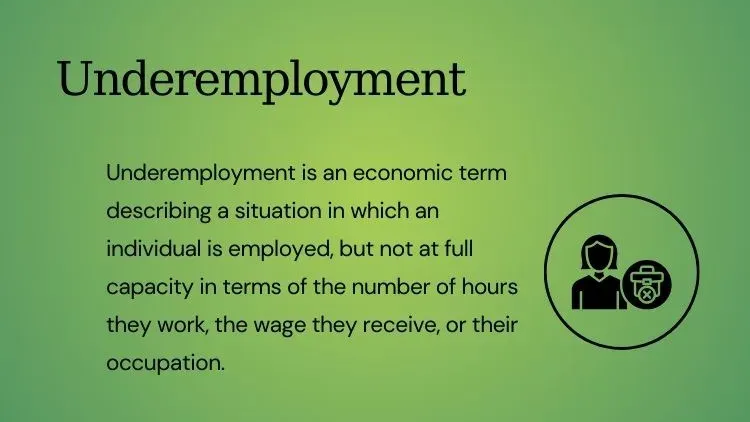
While unemployment means having no work at all, underemployment is a far more deceptive trap. It occurs when a person is employed, but their job does not match their skill level, education, or financial needs. A B.Tech graduate working as a delivery executive for Zomato or Swiggy is not unemployed in government data, but they are severely underemployed.
In India, this phenomenon is deeply tied to the massive mismatch between institutional education output and market demand. Thousands of tier-2 and tier-3 engineering colleges churn out graduates every year without imparting practical, industry-ready skills. Consequently, corporate hubs struggle to find talent for high-value roles, while millions of degree-holders compete for entry-level positions paying ₹15,000 to ₹25,000 per month, barely enough to cover rent in metropolitan areas.
The Real Cost of Skill Mismatch
The underemployment trap takes a heavy toll on both mental health and long-term financial stability. When professionals take jobs well below their competence level to survive, two detrimental things happen:
- Skill Atrophy: Without opportunities to solve complex problems or utilize advanced training, technical skills degrade over time.
- Resume Stagnation: Future employers often misinterpret extended periods in low-skilled roles as a lack of career ambition or capability.
Consider the case of MBA graduates from non-premier business schools. Many accept low-paying telecalling or basic sales roles just to have a job on paper. Over time, the mounting pressure of educational loans taken during college makes it difficult to quit and upskill, locking them into a low-wage cycle.
How Gig Work Masked the Job Crisis
The rise of app-based platforms and the gig economy has been a double-edged sword for India. On one hand, companies like Ola, Uber, Urban Company, and Zepto provided immediate survival income to millions during economic downturns. On the other hand, gig work has heavily masked the true severity of structural underemployment.
Policymakers often point to rising workforce participation numbers in the platform economy as proof of job creation. However, most gig workers lack social security benefits, formal contracts, healthcare, and provident fund (EPF) contributions. This precarious form of employment offers flexibility without financial security, leaving young workers vulnerable to sudden algorithm changes or fare cuts.
Strategies to Navigate the Underemployment Trap
If you find yourself stuck in a job that underutilizes your talent, navigating out of it requires deliberate planning and targeted reskilling. Breaking free demands a proactive approach rather than waiting for macro-economic conditions to shift:
- Identify High-Growth Niche Skills: Focus on specialized areas currently facing talent shortages, such as AI prompt engineering, data analytics, cloud architecture, or compliance-focused digital marketing.
- Build a Portfolio Over Resumes: In modern hiring, proven project execution matters more than a degree certificate. Contribute to open-source projects or build independent case studies.
- Leverage Professional Networks: Actively engage on platforms like LinkedIn to showcase your domain expertise rather than just applying through standard job portals.
Frequently Asked Questions
What is the main difference between unemployment and underemployment?
Unemployment refers to individuals who are actively looking for work but have zero employment. Underemployment refers to individuals who are working, but either in jobs that are below their skill level (skill underemployment) or working fewer hours than they desire (time-related underemployment).
How does underemployment affect the Indian economy?
Underemployment lowers overall productivity, depresses wage growth, and reduces consumer spending power among the youth. It also leads to 'brain drain' as skilled professionals actively seek emigration opportunities to countries offering better career alignment.
Can government schemes help combat underemployment?
Government initiatives like the Skill India Mission and various National Apprenticeship Promotion Schemes aim to bridge the employability gap. However, success depends heavily on aligning training modules directly with emerging private sector requirements.
Conclusion
The shift from unemployment to underemployment represents the next evolution of India's labor market challenge. Recognizing the trap is the first step toward beating it. By continuously upgrading your skills, refusing to settle for stagnant roles, and targeting future-ready industries, you can protect your career trajectory and build sustainable long-term value.
Support creators
If you found this article helpful, consider supporting independent writers on ContentVerse India.
Was this helpful?
Your feedback helps us improve content for everyone.
Liked this piece?
Tip Dhananjay for the work
100% goes to the creator. Send a one-time tip in rupees and back the writing you love.
Dhananjay Singh
0 followers · 0 blogs
Creator on ContentVerse. Building, writing, and shipping in public.
0 followers


Discussion