
Why Young Indians Are Flocking to Faith-Based Dating Apps
Discover how the modern Indian dating scene is evolving as Gen Z and millennials trade secular swipe culture for faith-based matchmaking platforms. Explore why shared spiritual values are becoming the ultimate relationship filter.
Reading this article: 0s
News in 60 words
~150-word AI digest in one read
Thesis, bullets, quote & takeaway — slogan stays "60 words"
1h ·4 min read· 0 · 0 · 0
Full story
The Shift in Modern Indian Romance
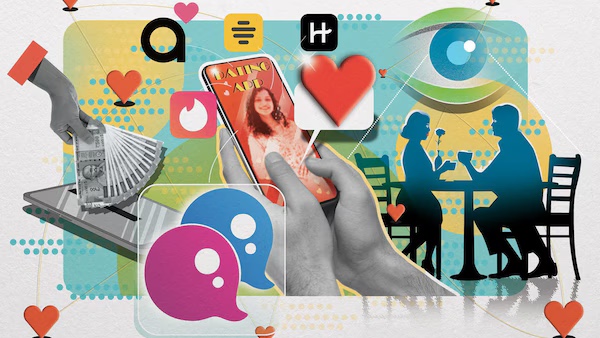
For years, mainstream dating apps like Tinder and Bumble dominated the urban Indian landscape. Young professionals in cities like Mumbai, Bengaluru, and Delhi swiped through profiles based on proximity, aesthetics, and witty bio lines. However, a noticeable fatigue has set in across the subcontinent. Users frequently report burnout from endless superficial conversations and misaligned long-term intentions. Today, a fresh wave of urban singles is pivoting toward a more intentional approach to romance by joining niche, faith-based dating applications.
This cultural shift is not about a regression into orthodox traditions. Rather, it represents a conscious choice by modern Indians to prioritize core belief systems from the very first interaction. Whether it is finding a partner who understands the nuances of vegetarianism, respects specific religious rituals, or shares a similar spiritual philosophy, these apps bridge the gap between ancient cultural roots and contemporary digital courtship. Platforms catering specifically to Hindu, Muslim, Sikh, and Christian demographics are witnessing a surge in active downloads, proving that modern love in India still deeply values tradition.
Beyond Biodata: Reimagining Arranged Marriage
Traditional arranged marriage networks managed by families through community matchmakers or websites like Shaadi and Jeevansathi often feel clinical to younger generations. On the flip side, mainstream hookup culture can feel entirely disconnected from family expectations and personal values. Faith-based dating apps occupy the sweet spot between these two extremes. They grant young adults the autonomy to choose their own partners while ensuring that religious and cultural compatibility is baked into the algorithm.
Consider how features on these apps are designed differently. Instead of merely asking for hobbies, profiles prompt users to indicate their frequency of attending religious services, dietary preferences such as Halal, Satvik, or Jain, and views on traditional festivals. This eliminates awkward conversations down the line. A user in Delhi does not have to spend three dates wondering if their prospective partner will be comfortable celebrating Karwa Chauth or participating in Sunday mass. The dealbreakers are addressed upfront, streamlining the journey toward a meaningful connection.
The Psychology of Shared Beliefs
In a diverse, multicultural society like India, relationships often face unique pressures regarding family integration and social circles. When two individuals share the same spiritual foundation, navigating these societal expectations becomes significantly smoother. Faith-based dating apps appeal to the psychological need for belonging and emotional safety. Knowing that a potential partner respects the same moral framework provides an underlying sense of security.
Furthermore, urban lifestyle pressures often leave young Indians with very little time to participate in community gatherings, temple events, or cultural festivals where they might traditionally meet like-minded peers. Apps serve as digital community centers. They curate spaces where individuals who take their faith seriously can interact without the judgment often found on mainstream platforms. This targeted approach fosters higher-quality conversations and genuine intentions toward long-term commitment and marriage.
Features That Set Niche Apps Apart
Unlike traditional matrimonial sites that cater primarily to parents, faith-based dating apps are built for the youth. The user interfaces are sleek, intuitive, and visually appealing, rivaling global tech giants. They incorporate safety features such as selfie verification, profile moderation, and strict anti-harassment policies, which are crucial for building trust among women.
- Value-Driven Prompts: Users answer questions regarding their spiritual journey, philosophy, and cultural practices rather than just listing favorite vacation spots.
- Community Verification: Optional community-backed verifications help maintain authenticity and reduce fake profiles.
- Inclusive Inclusivity: Modern apps respect the diversity within religions, allowing users to filter by specific sects, regions, and linguistic backgrounds.
These thoughtful product designs make the process feel empowering rather than restrictive. Young Indians are embracing these platforms because they do not force them to compromise on their identity for the sake of modern romance.
Frequently Asked Questions
Are faith-based dating apps only meant for people looking for marriage?
While many users on these platforms have long-term marriage in mind, the apps are generally designed for dating with intentionality. Some users are simply looking for companions who share their worldview and lifestyle practices before deciding on marriage.
Do these apps replace traditional matrimonial websites?
Not entirely. While matrimonial sites focus heavily on family backgrounds, horoscopes, and caste matching for arranged marriages, faith-based dating apps focus on individual choice, personal compatibility, and self-discovery within a shared cultural framework.
Are these platforms safe for women?
Reputable faith-based apps implement robust safety measures, including mandatory phone number logins, photo verification, and community reporting tools, ensuring a secure environment for all users.
Conclusion
The rise of faith-based dating apps in India highlights a mature evolution in how the younger generation approaches relationships. By blending the convenience of modern technology with the comfort of shared spiritual values, these platforms offer a refreshing alternative to superficial swiping. For urban singles navigating the complexities of modern love, finding someone who speaks their cultural and spiritual language is proving to be the ultimate relationship hack.
Support creators
If you enjoyed this article, consider supporting our independent writers on ContentVerse India by sharing this piece with your friends and community.
Was this helpful?
Your feedback helps us improve content for everyone.
Liked this piece?
Tip Dhananjay for the work
100% goes to the creator. Send a one-time tip in rupees and back the writing you love.
Dhananjay Singh
0 followers · 0 blogs
Creator on ContentVerse. Building, writing, and shipping in public.
0 followers


Discussion